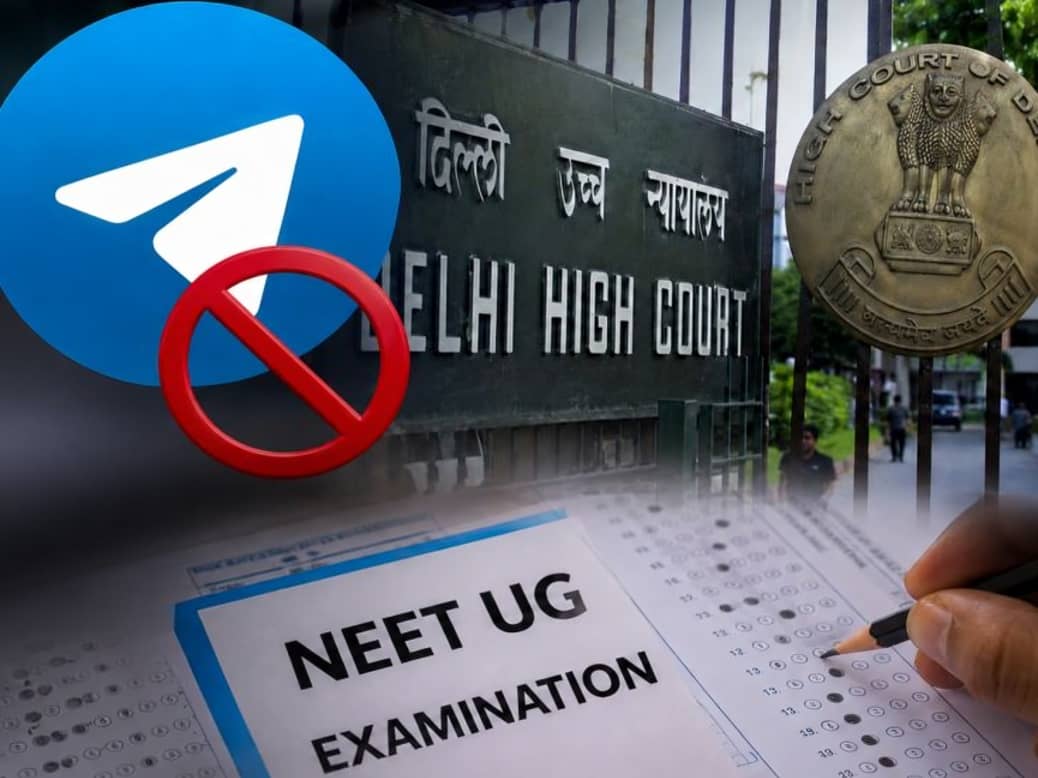
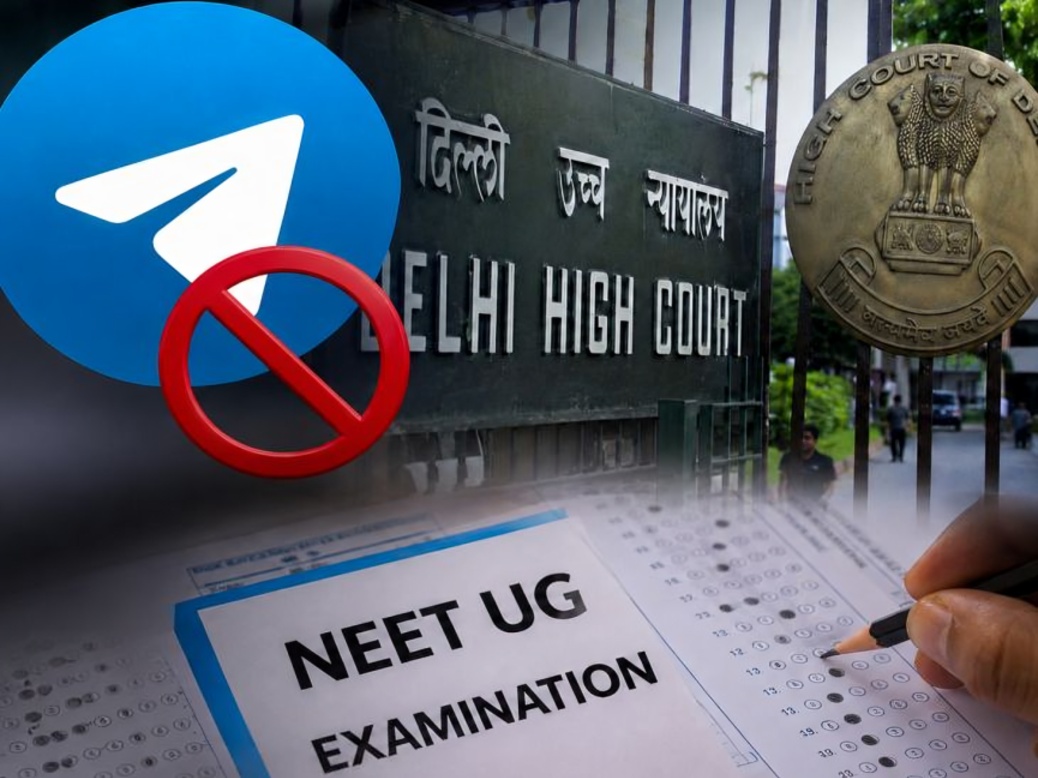
The Delhi High Court has upheld the Central Government's decision to temporarily suspend access to the messaging platform Telegram across India ahead of the NEET UG 2026 re examination, providing legal backing to one of the most significant digital restrictions imposed in connection with a national entrance examination.
The temporary suspension was introduced following recommendations from the National Testing Agency and other authorities amid concerns that Telegram channels and groups were being used to circulate misleading information, fraudulent content, and alleged examination related material ahead of the medical entrance test. The restrictions were imposed for a limited period leading up to and immediately after the examination.
Telegram challenged the government's decision before the Delhi High Court, arguing that the restriction affected a large number of users who relied on the platform for legitimate communication, education, business, and professional activities. The company contended that a blanket suspension was excessive and that targeted action against specific channels would have been more appropriate.
During the hearings, the Union Government defended its decision, stating that extraordinary measures were necessary to prevent examination fraud and protect the credibility of the NEET UG re examination. Government representatives informed the court that authorities had already attempted less restrictive measures, including requests for content removal and targeted interventions, before resorting to a temporary suspension.
After considering the arguments presented by both sides, Justice Tejas Karia upheld the government's order. The court observed that emergency powers available under the Information Technology Act had been exercised within the legal framework and that the restriction met the requirement of proportionality because it was temporary in nature and linked to a specific public interest objective.
According to official statements, the suspension is scheduled to remain in effect until June 22, while certain restrictions related to message editing features are expected to continue for a limited additional period. Authorities argued that such measures were intended to prevent the creation or alteration of content that could be falsely presented as leaked examination material after the test.
The case has generated significant debate regarding the balance between digital rights and public interest. Supporters of the government's decision argue that maintaining the integrity of national examinations involving millions of students is a matter of public importance. Critics, however, have raised concerns about the broader impact of restricting access to a communication platform used by a large number of citizens.
The ruling is expected to be closely studied by legal experts, technology companies, and policymakers because it addresses the extent of government authority to regulate digital platforms during exceptional circumstances. It also highlights the increasing challenges faced by authorities in tackling online misinformation and examination related fraud in the digital era.
With the court declining to interfere in the government's decision, the temporary suspension remains in force, while discussions continue on the broader implications of platform regulation, digital freedoms, and examination security in India.