In a major step towards tackling air pollution, authorities in Delhi have decided to prohibit the entry of non BS VI compliant commercial vehicles from neighboring states beginning November 1. The measure is part of a broader strategy to improve air quality in the national capital and reduce emissions from transport sources.
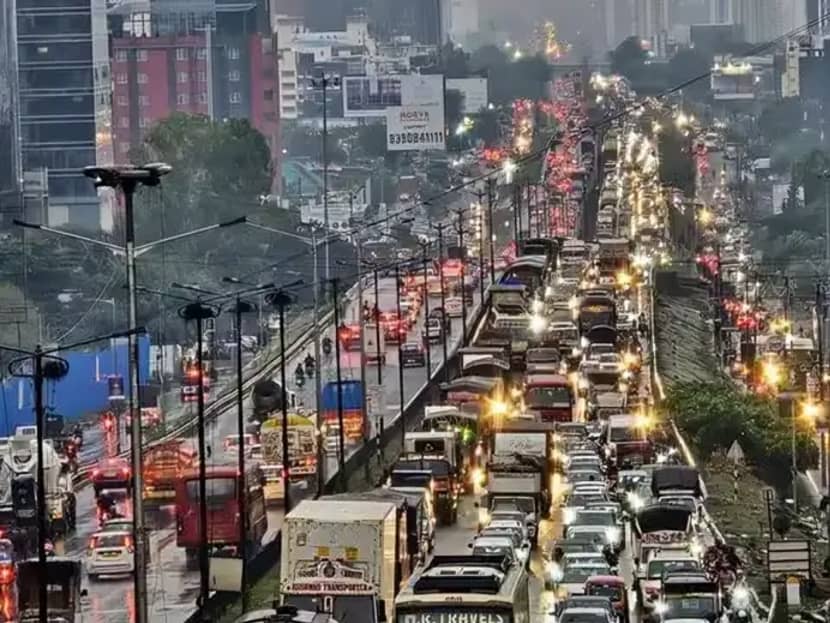
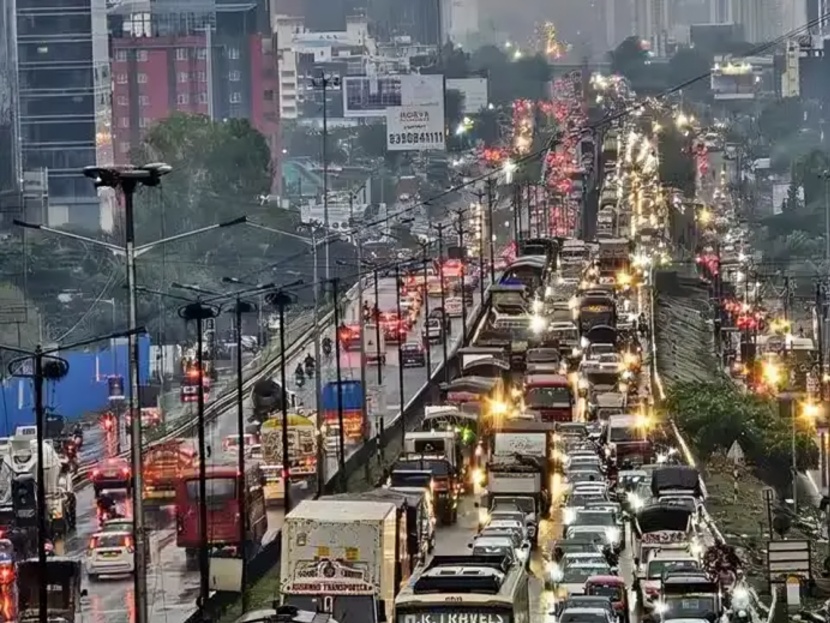
The decision comes as Delhi continues to face recurring air quality challenges, especially during the winter season when atmospheric conditions often contribute to the accumulation of pollutants. Vehicular emissions are considered one of the major contributors to urban air pollution, prompting policymakers to introduce stricter regulations aimed at reducing harmful emissions.
BS VI, or Bharat Stage VI, represents the most advanced emission standard currently implemented in India. Vehicles meeting BS VI norms are designed to emit significantly lower levels of pollutants such as particulate matter, nitrogen oxides, hydrocarbons, and carbon monoxide compared to older vehicles operating under previous emission standards.
According to officials, the new regulation will apply to commercial vehicles entering Delhi from neighboring states. Authorities believe that restricting the movement of older and more polluting vehicles will help lower overall emission levels and support ongoing efforts to improve environmental conditions in the city.
The move is expected to complement several other pollution control measures already being implemented in Delhi. These include monitoring industrial emissions, promoting cleaner fuels, expanding public transportation networks, encouraging electric mobility, and enforcing stricter environmental regulations across various sectors.
Environmental experts have generally welcomed initiatives aimed at reducing vehicular pollution, noting that transport emissions play a substantial role in deteriorating urban air quality. Studies have shown that cleaner vehicle technologies can contribute significantly to reducing pollution-related health risks and improving environmental sustainability.
Officials have stated that adequate communication and awareness campaigns will be conducted to ensure that transport operators and commercial vehicle owners are informed about the new requirements before the regulation takes effect. Enforcement agencies are also expected to establish monitoring mechanisms at entry points into the city to verify compliance with emission standards.
The transport and logistics sectors may need to make operational adjustments to comply with the regulation. Fleet operators using older vehicles could be required to upgrade their fleets or adopt alternative arrangements to continue operations involving Delhi. Industry stakeholders are expected to engage with authorities regarding implementation procedures and compliance requirements.
Public health specialists have consistently emphasized the need for sustained measures to address air pollution, which has been linked to respiratory illnesses, cardiovascular diseases, and other health concerns. Cleaner vehicle standards are widely regarded as an important component of comprehensive pollution control strategies.
The decision reflects a growing focus on balancing economic activity with environmental protection. By encouraging the use of cleaner transportation technologies, authorities aim to reduce pollution while supporting long term sustainability goals.
As the November 1 implementation date approaches, government agencies, transport operators, and environmental experts will closely monitor the impact of the policy. The success of the initiative is expected to depend on effective enforcement, regional cooperation, and continued investment in cleaner transport solutions