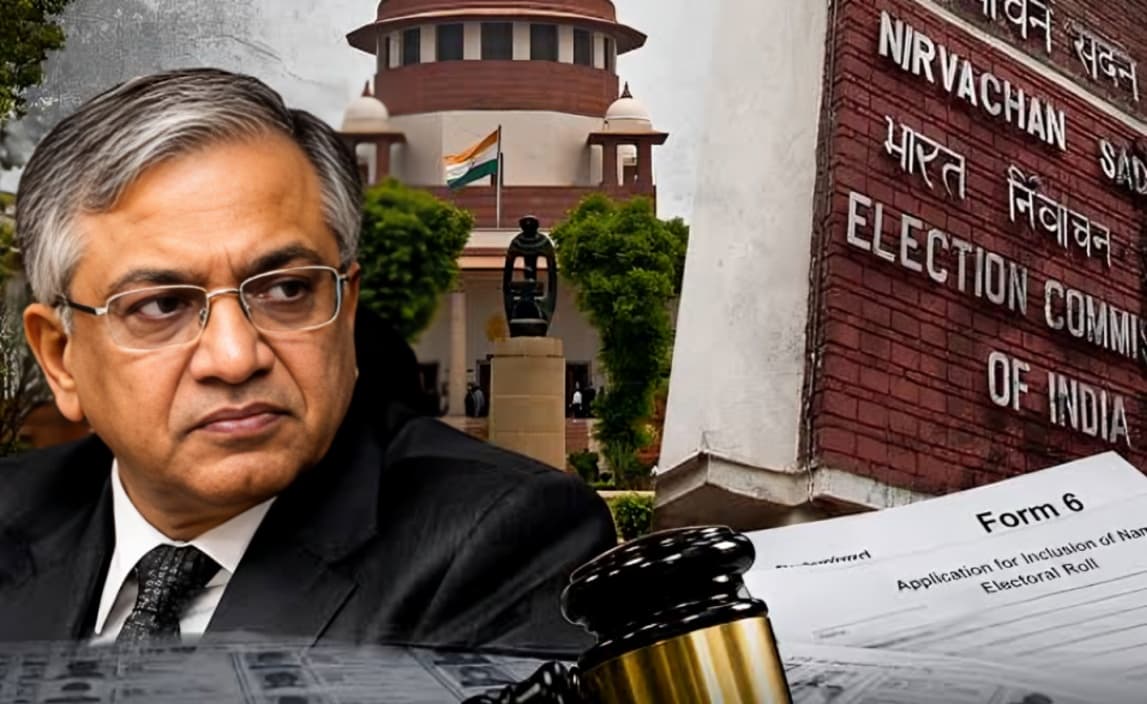
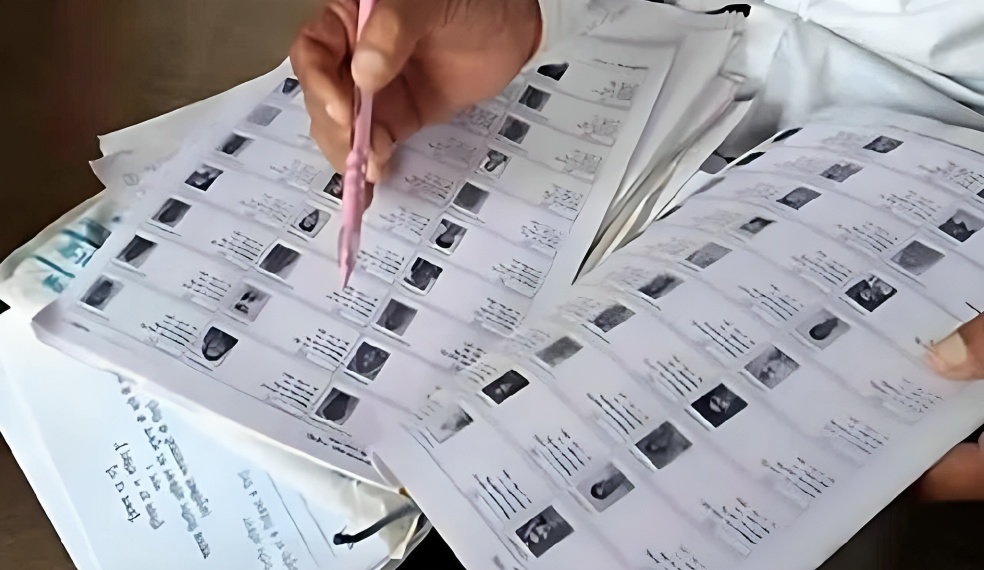
The Election Commission of India is preparing to launch the third phase of its Special Intensive Revision (SIR) of electoral rolls across 16 states and three Union Territories starting from the end of May. The large-scale exercise is aimed at improving the accuracy of voter lists and ensuring that only eligible citizens are included in the electoral rolls.
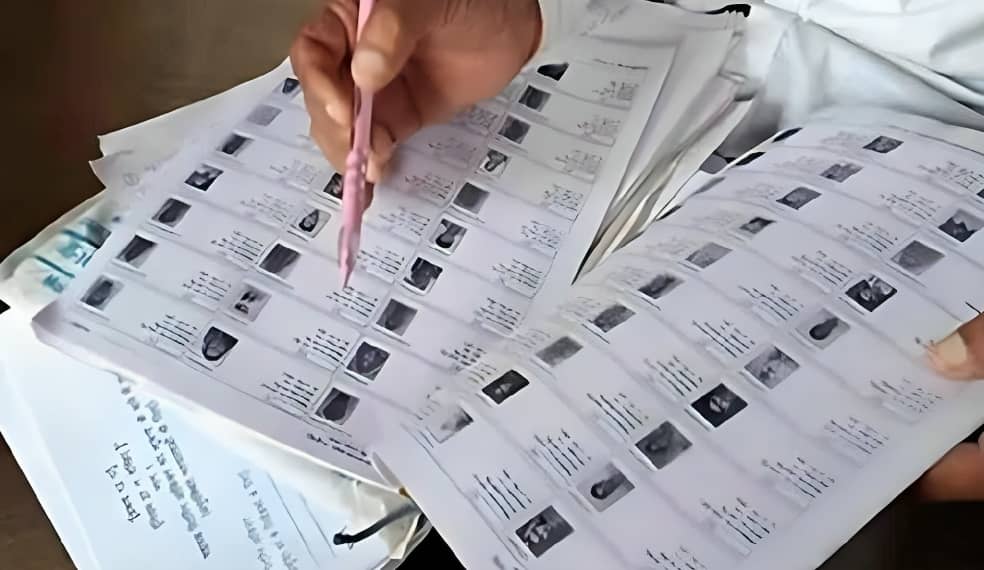
According to officials, the revision process will focus on updating voter records by identifying duplicate entries, removing ineligible names, and adding new eligible voters. The Election Commission conducts such revision exercises regularly to maintain transparency and accuracy in the electoral process.
The third phase of the Special Intensive Revision is expected to continue over several months. Officials have stated that the final electoral rolls for the participating states and Union Territories are likely to be published between September and December after verification and correction procedures are completed.
The electoral roll revision process plays an important role in India’s democratic system because voter lists form the foundation of all elections conducted in the country. Accurate electoral rolls help ensure fair elections by preventing duplication, errors, and the inclusion of ineligible individuals.
During the revision process, election officials will verify voter details through field-level checks and document verification. Citizens may also be allowed to submit corrections, apply for inclusion of names, or request deletion of incorrect entries through designated procedures. Booth-level officers and local election authorities are expected to play a major role in carrying out the verification exercise.
The Election Commission has increasingly adopted digital systems and technology-driven processes to simplify electoral roll management. Online voter registration facilities, digital corrections, and electronic verification methods have helped improve efficiency and accessibility for voters across the country.
Officials say the Special Intensive Revision is particularly important ahead of upcoming elections in several states. Accurate voter data helps election authorities conduct smoother polling operations and reduces the chances of disputes related to electoral rolls.
Political parties are also expected to closely monitor the revision process because electoral rolls are a critical component of election preparation. Parties often encourage supporters to verify their voter details and ensure their names are correctly included in the rolls before elections are announced.
The Election Commission has repeatedly stated that maintaining clean and updated voter lists remains one of its key priorities. Authorities have urged eligible citizens to participate actively in the verification process and ensure that their personal information is accurate.
Experts note that large-scale electoral roll revisions are essential in a country like India due to population movement, migration, deaths, and new voter registrations. Regular updates help maintain the integrity and credibility of the election system.
The upcoming third phase of the revision exercise is expected to involve extensive coordination between state election offices, local administrative authorities, and field-level election workers. The final publication of revised electoral rolls later this year will be closely watched by political parties, election observers, and voters across the country.