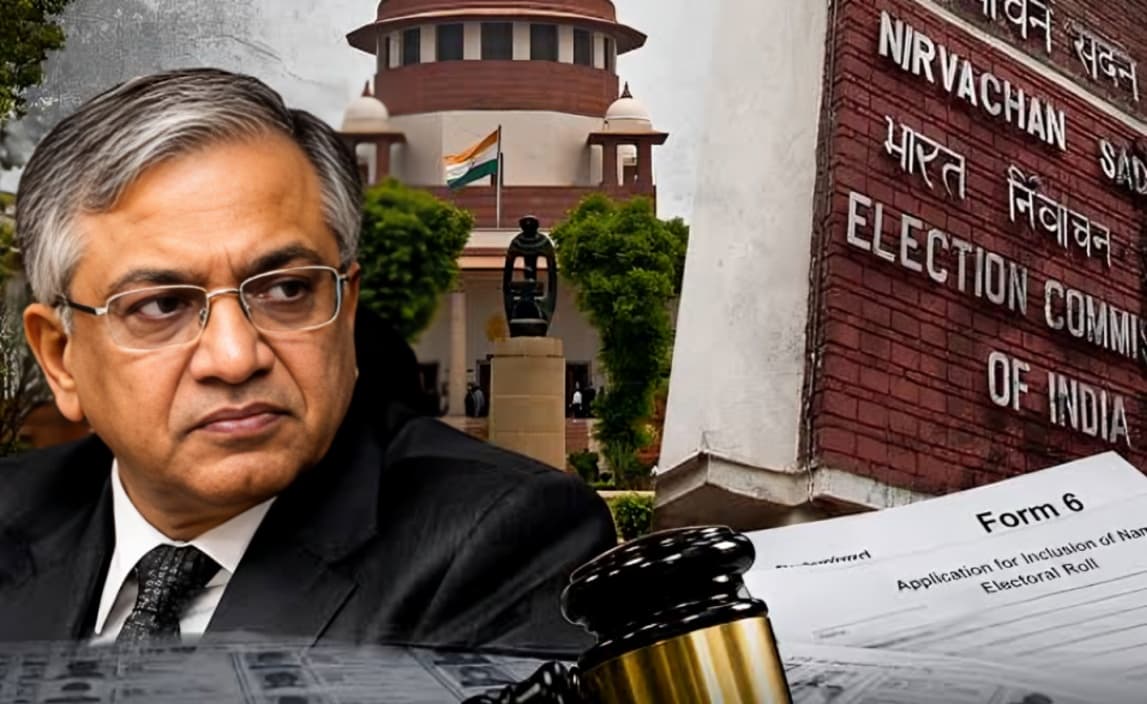

The central government has issued an ordinance increasing the sanctioned strength of judges in the Supreme Court of India from 34 to 38, including the Chief Justice of India. The decision is being viewed as a major step toward strengthening the country’s judicial system and addressing the increasing number of pending cases before the apex court.
With the latest ordinance, the Supreme Court will now be permitted to function with a maximum of 38 judges. The increase of four additional judges is expected to improve the court’s ability to hear cases more efficiently and reduce delays in judicial proceedings.
The Supreme Court plays a crucial role in interpreting the Constitution, protecting fundamental rights and hearing appeals from various High Courts and tribunals across India. Over the years, the court has witnessed a steady rise in the number of cases being filed, leading to growing pressure on the judiciary.
Legal experts have often highlighted the need for expanding judicial capacity to ensure timely delivery of justice. The increase in the sanctioned strength is expected to help distribute the workload more effectively among judges and improve the speed of hearings and judgments.
According to legal analysts, the backlog of pending cases has remained one of the biggest challenges facing the Indian judicial system. Thousands of important civil, criminal, constitutional and public interest cases are currently awaiting hearings in the Supreme Court. Increasing the number of judges is considered one of the key measures required to manage the rising volume of litigation.
The ordinance route is generally used by the government when immediate legislative action is considered necessary while Parliament is not in session. Once issued, the ordinance has the force of law but must later be approved by Parliament within the prescribed constitutional period.
The decision to increase the number of Supreme Court judges comes amid continuing discussions about judicial reforms, court infrastructure and access to justice in India. Experts have repeatedly called for broader reforms, including faster judicial appointments, improved technology integration and expansion of court infrastructure at various levels of the judiciary.
Former judges and legal scholars have welcomed the move, stating that the increase could improve the efficiency of Constitution benches and regular hearing benches. The Supreme Court often deals with complex constitutional matters and nationally significant cases that require substantial judicial time and resources.
Observers also note that an increase in the number of judges may help reduce the waiting period for hearings and improve overall case management. Faster disposal of cases is considered essential for maintaining public confidence in the judicial process.
At present, the Supreme Court hears matters related to constitutional interpretation, election disputes, public interest litigation, criminal appeals and important policy issues. The expanding role of the judiciary in governance and rights related matters has significantly increased the workload of the apex court in recent years.
The government’s decision is expected to initiate further discussions on judicial reforms and long term measures to improve the efficiency of courts across the country. Along with increasing judicial strength, experts believe there is also a need to strengthen High Courts and lower courts where a large number of pending cases remain unresolved.
Legal and constitutional experts have described the ordinance as an important administrative and judicial reform aimed at enhancing the capacity of India’s highest court. The additional appointments are expected to take place following the established judicial selection and approval process.