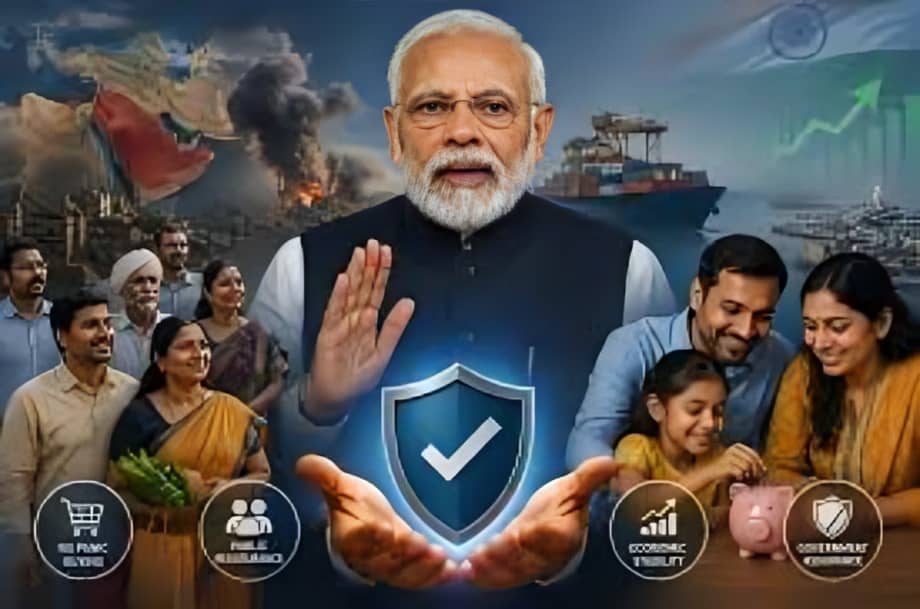
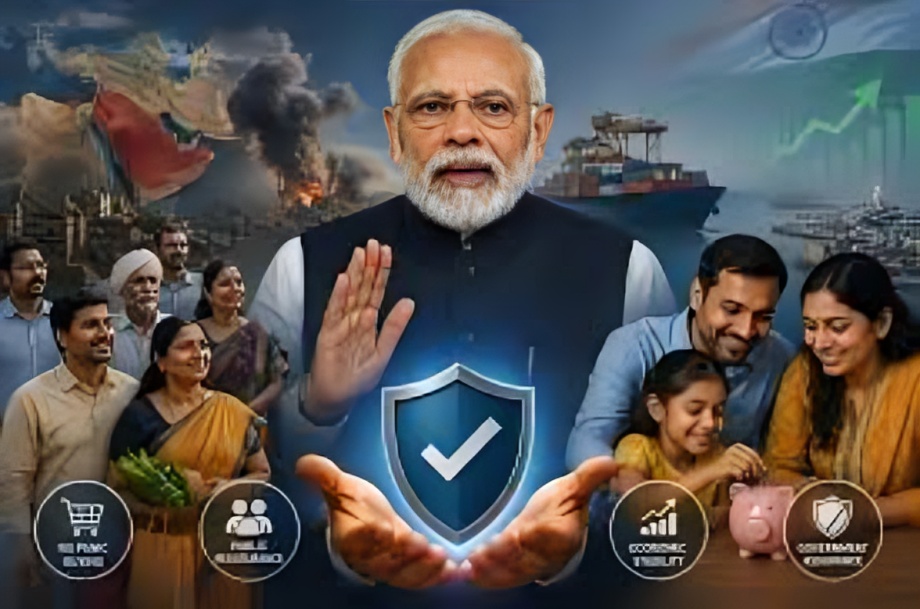
The central government has urged citizens across the country not to panic regarding the current energy situation and assured that sufficient measures are being taken to manage power supply and energy resources effectively. At the same time, the government has encouraged people to follow the energy conservation suggestions highlighted by Prime Minister Narendra Modi in recent public addresses and policy discussions.
According to government officials, India’s energy infrastructure continues to remain stable, and authorities are closely monitoring power generation, fuel supply, and electricity distribution systems. Officials stated that there is no immediate cause for concern, but public cooperation in reducing unnecessary energy consumption can help strengthen long term energy security.
The Prime Minister has repeatedly emphasized the importance of energy efficiency and responsible consumption as part of the country’s broader sustainability goals. Government departments have been instructed to increase awareness about practical energy saving measures that can be adopted by households, businesses, and institutions.
Authorities highlighted that simple steps such as switching off unused electrical appliances, using energy efficient lighting systems, reducing excessive air conditioner usage, and promoting renewable energy adoption can significantly contribute to reducing pressure on the national power grid.
Officials also pointed out that India’s growing economy and rising industrial activities have increased overall electricity demand in recent years. During periods of high temperatures and peak summer usage, electricity consumption often rises sharply due to increased cooling requirements in homes, offices, and commercial establishments.
The government clarified that the current advisory is mainly precautionary and aimed at encouraging responsible public participation in energy conservation efforts. Authorities stressed that there is no shortage situation requiring emergency restrictions or panic among consumers.
Energy experts believe that public awareness campaigns can play an important role in reducing unnecessary energy wastage. They noted that even small lifestyle changes adopted collectively by millions of citizens can result in significant energy savings nationwide.
The government is also continuing efforts to strengthen India’s power generation capacity through investments in renewable energy, solar projects, wind power infrastructure, and modern electricity transmission systems. Officials stated that energy efficiency remains a major component of the country’s long term development strategy.
In recent years, India has focused heavily on expanding renewable energy production while also improving domestic coal output and fuel management systems to meet rising electricity demand. Authorities stated that multiple ministries are coordinating regularly to ensure uninterrupted power supply across states.
Several state governments have also begun promoting energy conservation campaigns at local levels by encouraging the use of LED lighting, solar rooftop systems, and energy efficient household appliances. Educational institutions and industries are being encouraged to participate in awareness initiatives related to sustainable energy practices.
Economic analysts say that reducing unnecessary energy consumption can help lower operational costs for households and industries while also supporting environmental sustainability goals. Efficient energy use is increasingly being viewed as both an economic and environmental priority.
Government officials reiterated that the country’s energy systems are functioning normally and appealed to citizens to remain calm while supporting national conservation efforts through responsible electricity usage and sustainable practices.