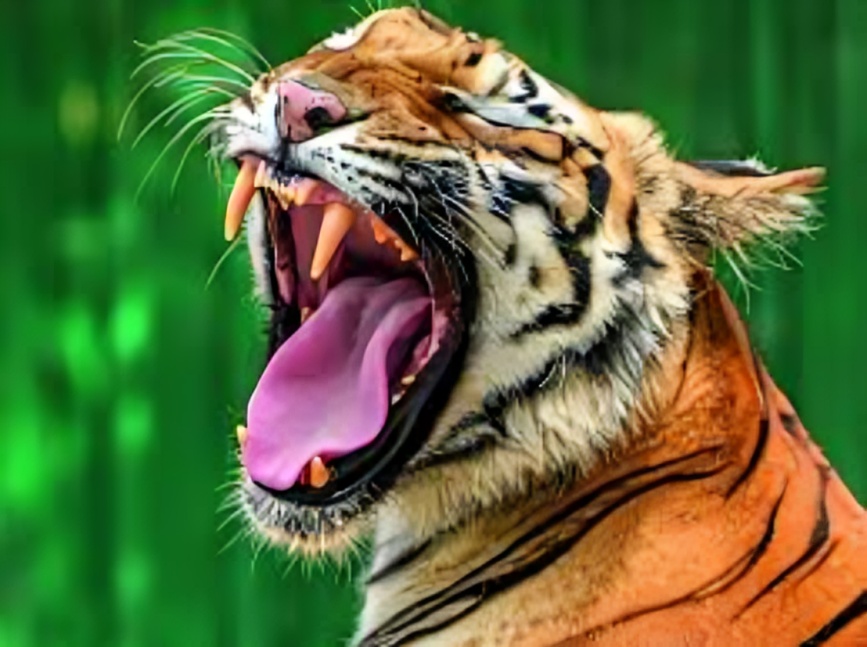
India is set to host the first International Big Cat Alliance Summit in New Delhi on June 1 and 2, 2026, marking a major step in global wildlife conservation efforts. The summit will focus on strengthening international cooperation for the protection and conservation of seven major Big Cat species found across different regions of the world.
The International Big Cat Alliance was launched to promote coordinated global action for conserving vulnerable Big Cat populations and protecting their natural habitats. The summit is expected to bring together representatives from multiple countries, wildlife experts, conservation scientists, policymakers, forest officials, and environmental organizations.
According to officials, the summit will focus on the conservation of seven major Big Cat species, including the tiger, lion, leopard, snow leopard, cheetah, jaguar, and puma. These species play an important role in maintaining ecological balance and biodiversity in forest ecosystems around the world.
India has emerged as one of the leading countries in wildlife conservation, particularly in tiger protection. Government officials believe hosting the summit will further strengthen India’s role in promoting international environmental cooperation and sustainable wildlife management practices.
The summit is expected to include discussions on habitat protection, prevention of illegal wildlife trade, climate change impact on wildlife ecosystems, technological innovations in conservation, and strategies for improving cross border cooperation among nations.
Wildlife experts have often warned that habitat destruction, poaching, climate related changes, and human wildlife conflict continue to threaten Big Cat populations globally. Conservationists believe stronger international partnerships are necessary to address these challenges effectively.
India’s experience with Project Tiger and other wildlife protection initiatives is likely to be highlighted during the summit. The country has made significant progress in increasing tiger numbers through conservation programs, anti poaching measures, habitat restoration, and scientific monitoring systems.
Officials stated that the summit would also encourage knowledge sharing among countries facing similar conservation challenges. Collaborative research programs, funding support, training initiatives, and wildlife monitoring technologies are expected to be discussed during the event.
Environmental organizations have welcomed the initiative and described it as an important platform for global conservation dialogue. Experts note that protecting apex predators such as Big Cats helps preserve entire ecosystems and supports biodiversity conservation at a larger scale.
The summit may also explore the role of local communities in wildlife conservation. Many conservation programs worldwide now emphasize community participation, eco tourism, and sustainable livelihood opportunities to reduce human wildlife conflict and encourage habitat protection.
India’s hosting of the summit is expected to attract global attention toward wildlife conservation issues and reinforce the importance of international environmental partnerships. Senior government officials and representatives from participating countries are likely to attend the event in New Delhi.
Security and logistical arrangements for the summit are expected to be finalized in the coming months as preparations continue. Organizers are also likely to announce detailed agendas, participating nations, and conservation initiatives closer to the event date.