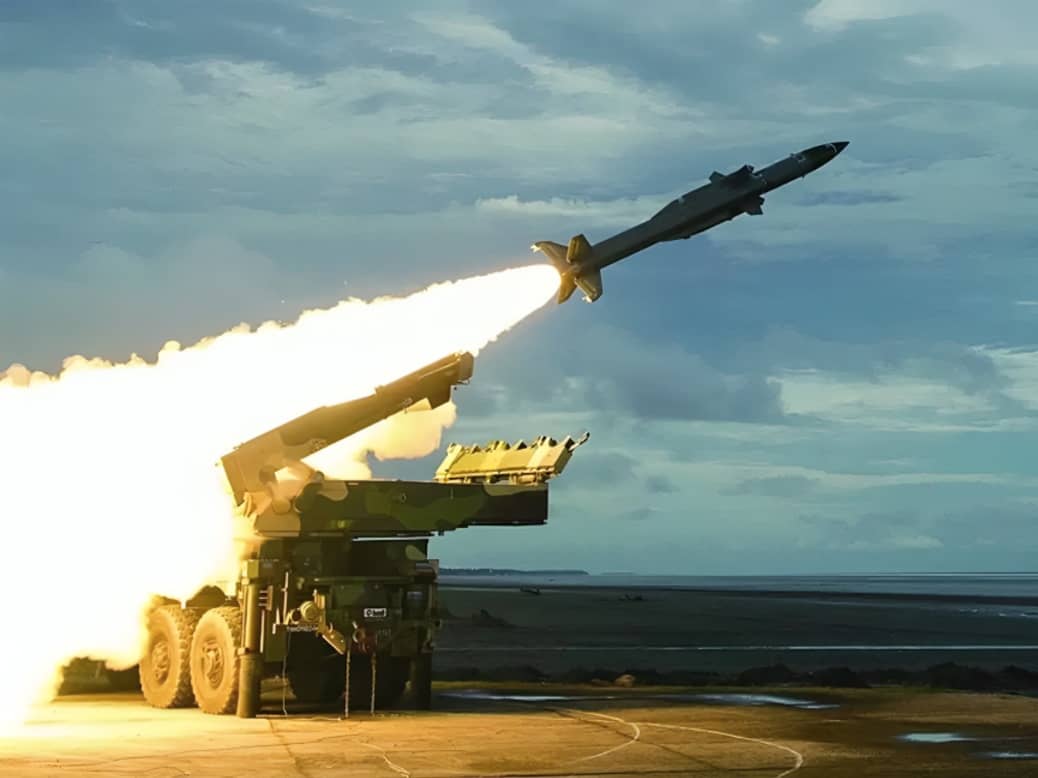

Operation Sindoor has emerged as a major topic of discussion among defence experts and strategic analysts, with many observers pointing to the growing importance of precision missile technology in contemporary military operations.
According to defence assessments, one of the most significant takeaways from the operation was not merely the use of air power but the effective deployment of advanced precision strike systems. Analysts note that the operation demonstrated the evolving nature of modern warfare, where long range missiles, stand off weapons, and loitering munitions increasingly play a central role in achieving military objectives.
Military experts explain that precision strike capabilities allow armed forces to engage specific targets with greater accuracy while minimizing risks to personnel and reducing collateral damage. The ability to launch attacks from extended distances also provides strategic advantages by enabling forces to operate beyond the reach of certain defensive systems.
Reports indicate that the operation involved the use of multiple weapon platforms designed for precision engagement. These systems are capable of targeting strategic locations with a high degree of accuracy and can be deployed under varying operational conditions. The integration of different strike technologies is considered a key feature of modern military planning.
Defence analysts have highlighted the growing significance of cruise missiles in contemporary conflicts. These missiles are designed to travel long distances while maintaining precision guidance, allowing them to strike designated targets with considerable effectiveness. Their operational flexibility makes them valuable assets in both conventional and strategic missions.
Another aspect that attracted attention during the operation was the reported use of loitering munitions. These systems combine surveillance and strike capabilities by remaining airborne over a target area before engaging identified objectives. Military planners increasingly view such technologies as important tools for real time battlefield decision making.
Stand off weapons also played a notable role in the operation. These systems enable forces to engage targets from a safe distance, reducing exposure to enemy air defence networks. Defence experts believe that the growing emphasis on stand off capabilities reflects broader trends in military modernization across the world.
The operation is being viewed as an indication of India's efforts to strengthen indigenous defence capabilities and integrate advanced technologies into its armed forces. Over the past several years, India has invested in the development and acquisition of precision guided weapons, missile systems, surveillance platforms, and network centric warfare technologies.
Strategic affairs experts note that modern military success increasingly depends on the ability to combine intelligence gathering, surveillance systems, communication networks, and precision strike assets into a coordinated operational framework. The effectiveness of such integration can significantly influence mission outcomes.
While official details regarding operational aspects remain limited, defence observers believe Operation Sindoor has underscored the changing character of warfare in the twenty first century. The emphasis is shifting from traditional force projection alone to the use of advanced technologies that provide speed, precision, and operational flexibility.
The lessons drawn from the operation are expected to influence future defence planning, military modernization efforts, and strategic doctrine. Analysts suggest that precision missile systems and stand off weapons will continue to play an increasingly important role in shaping the future battlefield environment.