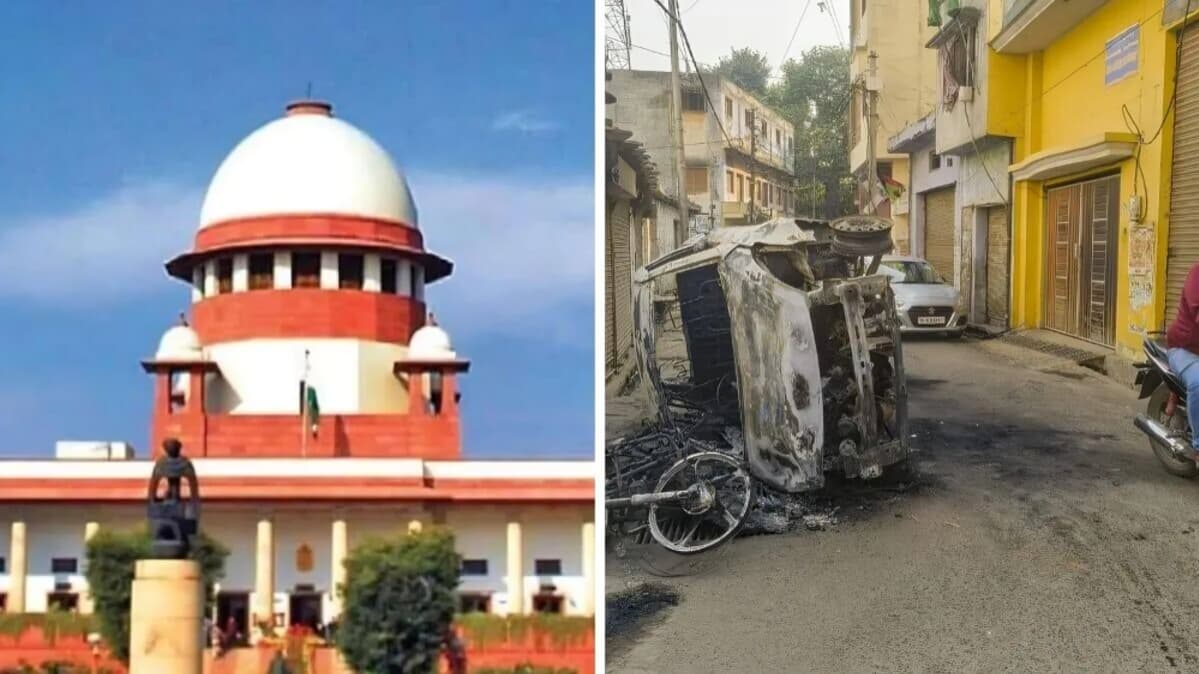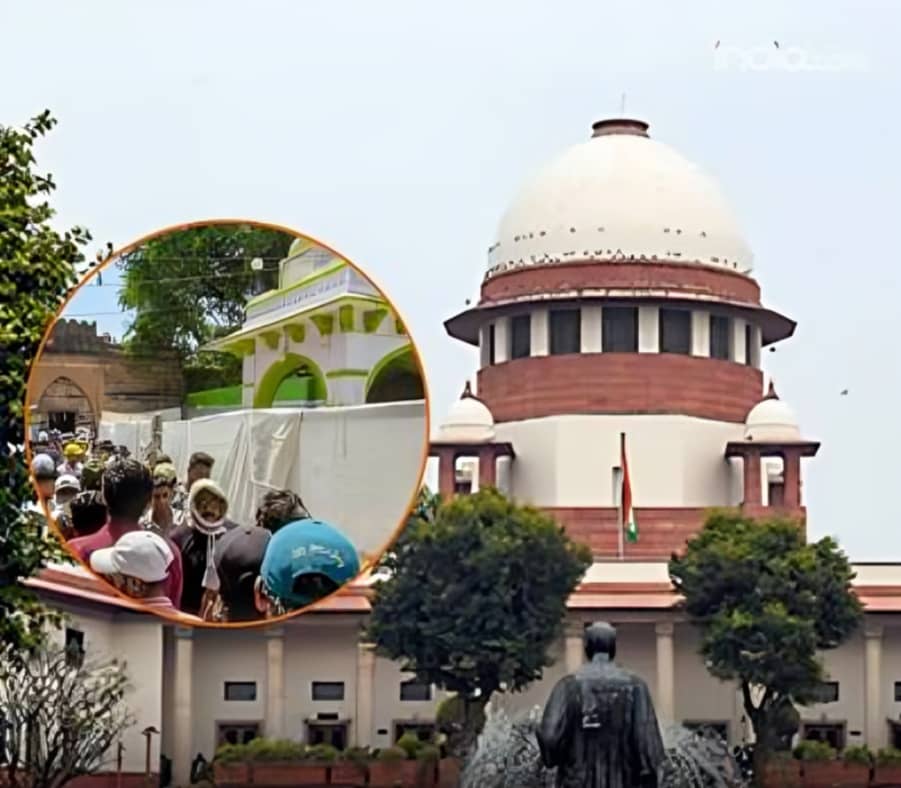

The Supreme Court has issued an interim order permitting Muslims to offer Friday prayers at a dargah located near the Bhojshala complex in Dhar, Madhya Pradesh. The court directed the state government to make the necessary arrangements to ensure that prayers can be conducted between 1 pm and 3 pm, while legal proceedings related to the disputed site continue.
The bench clarified that the interim arrangement is intended to maintain public order and facilitate religious observance without affecting the ongoing judicial process. It also encouraged efforts to explore mutually acceptable alternatives for conducting prayers, if such an arrangement can be reached by the concerned parties.
The Bhojshala complex has remained the subject of legal and historical disputes for several years, with different groups presenting competing claims regarding the site's religious significance and historical status. The matter has been under judicial consideration at various levels.
Earlier, the Madhya Pradesh High Court held that the Bhojshala complex is a temple dedicated to Goddess Saraswati. The High Court also set aside a previous order issued by the Archaeological Survey of India (ASI) that had permitted Muslims to offer Friday prayers at the disputed site.
Following the High Court's decision, appeals and related petitions were brought before the Supreme Court seeking further judicial consideration of the issues involved. The latest interim direction is part of those ongoing proceedings and does not constitute a final ruling on the broader dispute concerning ownership, management or religious rights at the site.
The Supreme Court's order specifically relates to the nearby dargah and establishes a defined time window for Friday prayers. The court instructed the Madhya Pradesh government to ensure appropriate administrative arrangements so that the interim order is implemented peacefully and in accordance with law.
The court also observed that discussions regarding alternative arrangements may continue among the concerned stakeholders. Any mutually agreed solution, if reached, would be subject to legal and administrative requirements and would not prejudice the final outcome of the pending case.
The Bhojshala complex has frequently attracted public attention because of its historical importance and the overlapping religious claims associated with the site. Authorities have periodically implemented security measures during religious observances to maintain law and order.
Legal experts note that interim directions issued by constitutional courts are intended to address immediate concerns while preserving the rights of all parties until the dispute is finally adjudicated. The substantive legal issues relating to the Bhojshala complex will continue to be examined through the judicial process.
The Supreme Court has not delivered a final verdict on the underlying dispute, and further hearings are expected. The rights and obligations of all parties will ultimately be determined after the court considers the legal arguments, historical records and evidence presented during the proceedings.