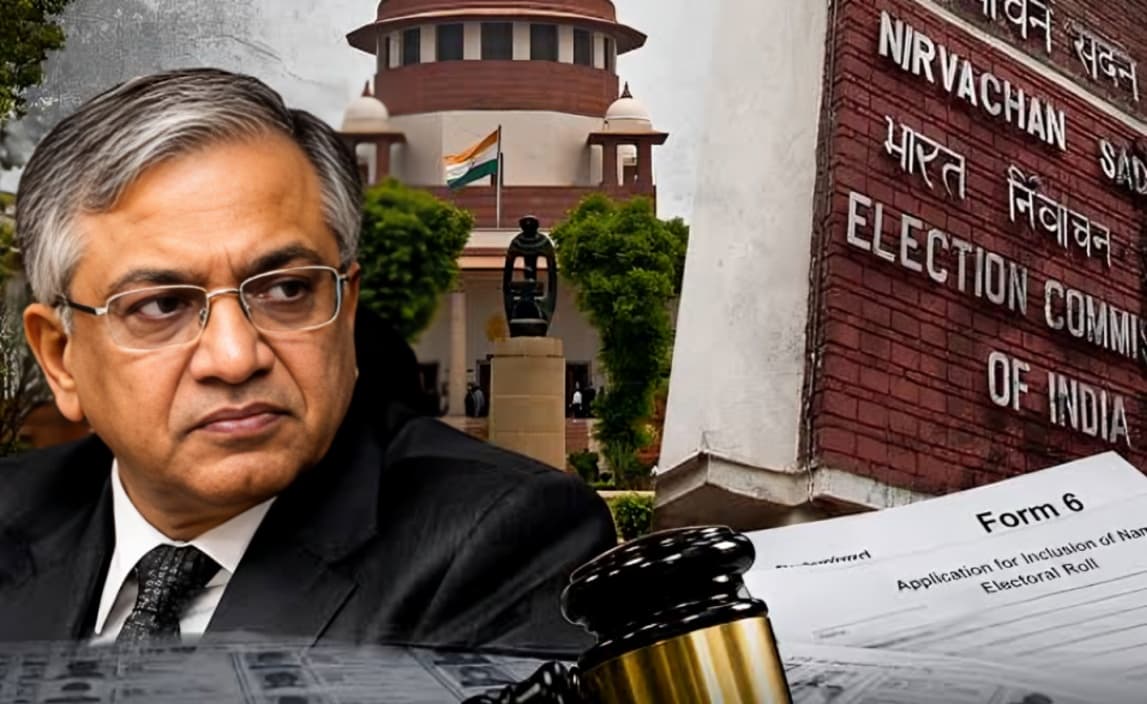
The Supreme Court on Thursday declined a request to initiate suo motu proceedings over alleged derogatory remarks concerning Netaji Subhas Chandra Bose. The matter was brought before a Bench headed by Chief Justice of India Surya Kant, with Justices Joymalya Bagchi and V Mohana also hearing the issue.
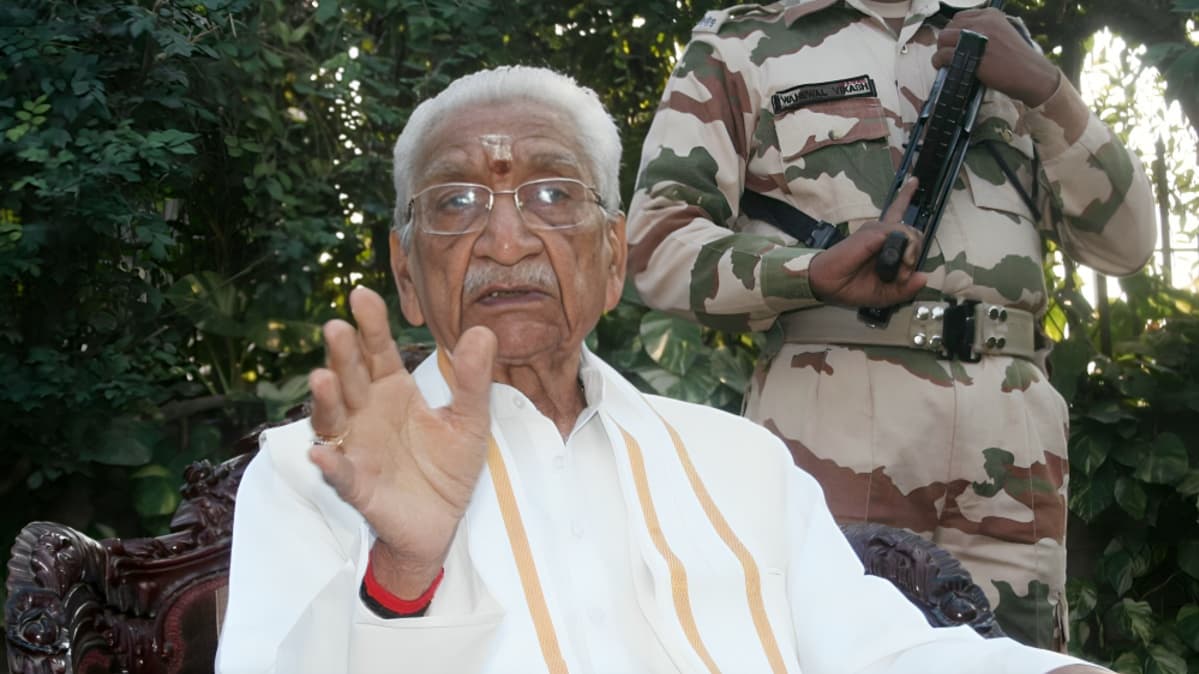
A lawyer mentioned the matter before the Bench and sought the Supreme Court’s intervention on its own motion over alleged comments attributed to Bharatiya Janata Party Rajya Sabha member Nagendra Ray, also known as Anant Maharaj. The lawyer described the alleged remarks as concerning and requested the court to consider taking suo motu cognisance.
The Supreme Court, however, did not agree to initiate proceedings suo motu. Chief Justice Surya Kant questioned why the lawyer wanted the court to exercise its extraordinary suo motu jurisdiction when an appropriate legal petition could be filed instead.
The Chief Justice explained that suo motu intervention is generally considered in exceptional circumstances. Such action may be appropriate when there is a serious public cause or when affected individuals or groups are unable to approach the courts themselves. The Bench referred to situations involving vulnerable or marginalised people who may not have the ability or resources to seek judicial assistance.
The court also emphasised that the presence of a competent lawyer who is capable of approaching the judiciary through the regular legal process is an important consideration when seeking suo motu intervention. The lawyer was therefore advised to pursue the matter through an appropriate petition rather than asking the Supreme Court to initiate proceedings on its own.
Justice Joymalya Bagchi also addressed the nature of the allegation raised before the court. He indicated that if the concern relates to speech that may amount to hate speech or otherwise violate legal standards, the issue would need to be examined according to established principles governing freedom of speech and reasonable restrictions.
The Bench’s response does not amount to a judicial finding on the alleged remarks themselves. The Supreme Court has not, through this order, determined whether the comments attributed to Nagendra Ray were unlawful or amounted to hate speech. Instead, the court declined the request to invoke its suo motu jurisdiction and directed the lawyer towards the regular legal process.
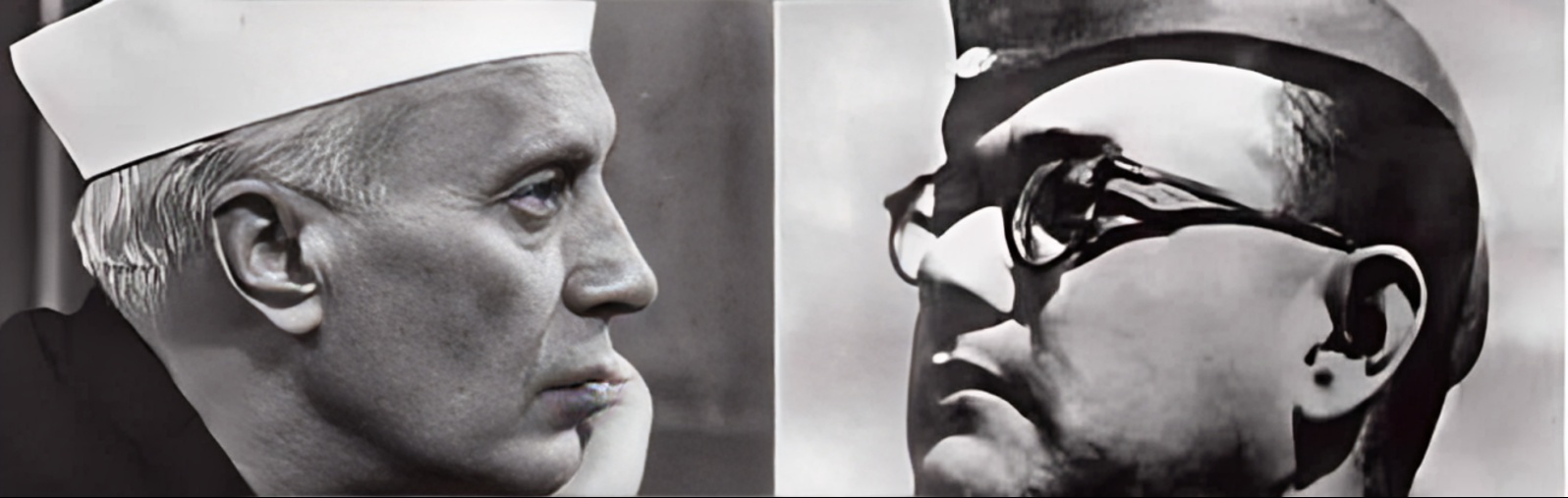
The issue relates to comments allegedly made about Netaji Subhas Chandra Bose. Netaji remains a significant figure in India’s freedom struggle and continues to have considerable historical and public importance. Any controversy involving remarks about him can therefore attract considerable public and political attention.
The request for suo motu intervention came amid the wider debate over the alleged comments. The lawyer sought immediate judicial attention, arguing that the alleged remarks warranted intervention by the country’s highest court.
The Supreme Court’s decision highlights the distinction between suo motu proceedings and cases initiated through a formal petition. Suo motu jurisdiction allows a court to take up certain matters without a conventional petition being filed by an affected party. However, the court’s observations indicate that this power is not ordinarily invoked simply because a lawyer seeks judicial intervention when an established legal remedy is available.
The Bench pointed to previous circumstances in which the Supreme Court has exercised suo motu jurisdiction, particularly where vulnerable individuals or communities may not be able to approach the judiciary independently. The Chief Justice referred to examples involving environmental concerns and marginalised people to explain why the extraordinary jurisdiction is generally reserved for specific circumstances.
The lawyer reportedly referred to an earlier instance in which the Supreme Court had taken suo motu cognisance of an issue concerning an NCERT textbook. The Bench nevertheless maintained that the appropriate course in the present matter would be to file a formal petition.
The development therefore leaves open the possibility of further legal proceedings. If the lawyer or another concerned party files an appropriate petition, the court could examine the allegations under the relevant legal framework. Any such proceedings would allow the parties to present their arguments and enable the court to determine whether the matter requires judicial intervention.
The Supreme Court’s observations also underline the importance of following established legal procedures when seeking judicial remedies. While courts possess extraordinary powers in appropriate circumstances, those powers are generally exercised with caution and are not intended to replace ordinary legal procedures where an effective remedy is available.
For now, the Supreme Court has declined to take suo motu cognisance of the alleged remarks against Netaji Subhas Chandra Bose. The Bench has instead indicated that the concerned party may approach the court through a properly instituted petition.
The matter could therefore return before the Supreme Court if an appropriate petition is filed. Until then, the allegations concerning the remarks remain allegations, and no judicial finding has been made regarding their legality or content.