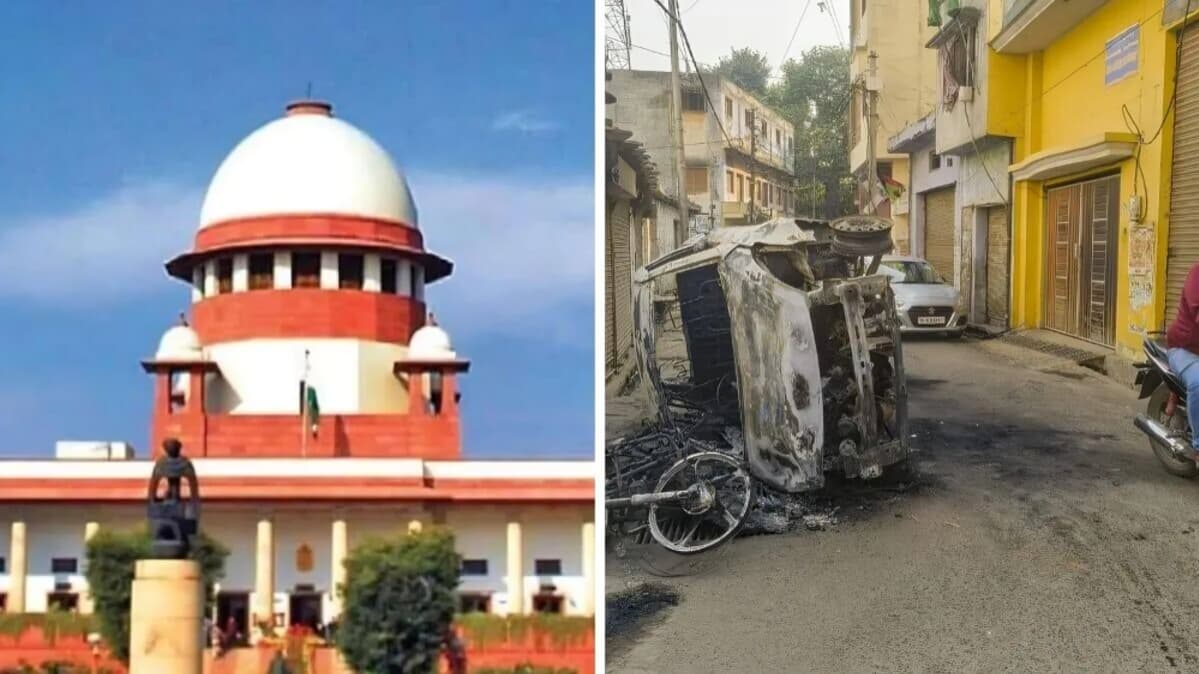
The Supreme Court of India declined to entertain a petition that sought judicial intervention regarding the actions of the Delhi Police during a recent public protest. The petition alleged excessive police action against demonstrators and requested directions from the apex court to examine the incident.
During the hearing, the Bench indicated that it was not inclined to review video recordings presented as part of the petition. The judges observed that the Supreme Court is not the appropriate forum to undertake a factual examination of such evidence at the first instance and emphasized that established legal procedures should be followed for addressing grievances related to law enforcement actions.
The Court advised the petitioners to approach the appropriate judicial forum or competent authority if they wished to challenge the alleged police action. The Bench reiterated that factual disputes involving evidence, including videos and witness accounts, are generally examined by lower courts or other authorized forums before reaching the Supreme Court.
The petition had questioned the conduct of the Delhi Police during the protest and sought judicial scrutiny of the measures adopted to manage the gathering. It also requested directions concerning the protection of the rights of individuals participating in peaceful demonstrations.
During the proceedings, the Court made it clear that it was not expressing any opinion on the merits of the allegations made in the petition. Instead, it focused on the maintainability of the plea and whether the matter should be examined directly by the Supreme Court.
The Court emphasized the importance of following the judicial hierarchy established under Indian law. It noted that litigants have access to various legal remedies through trial courts, High Courts, and other statutory authorities, depending on the nature of their grievance.
The Delhi Police have not been found guilty of any wrongdoing by the Supreme Court in connection with this matter. Any allegations relating to police conduct remain subject to examination by the appropriate legal authorities if proceedings are initiated before the competent forum.
Legal experts note that the Supreme Court frequently exercises discretion while deciding whether to entertain petitions under its constitutional jurisdiction. The Court generally considers factors such as the availability of alternative legal remedies, the nature of the dispute, and whether substantial constitutional questions require immediate intervention.
The judgment does not prevent the petitioners from pursuing their claims before other competent courts or authorities in accordance with applicable legal procedures. Any future findings regarding the allegations would depend on evidence presented before the appropriate judicial forum.
The case highlights the procedural principles governing judicial review in India, where the Supreme Court often expects litigants to exhaust available remedies before seeking relief under its extraordinary constitutional jurisdiction.
Further legal proceedings, if any, will depend on the decisions taken by the petitioners and the appropriate authorities handling the matter.