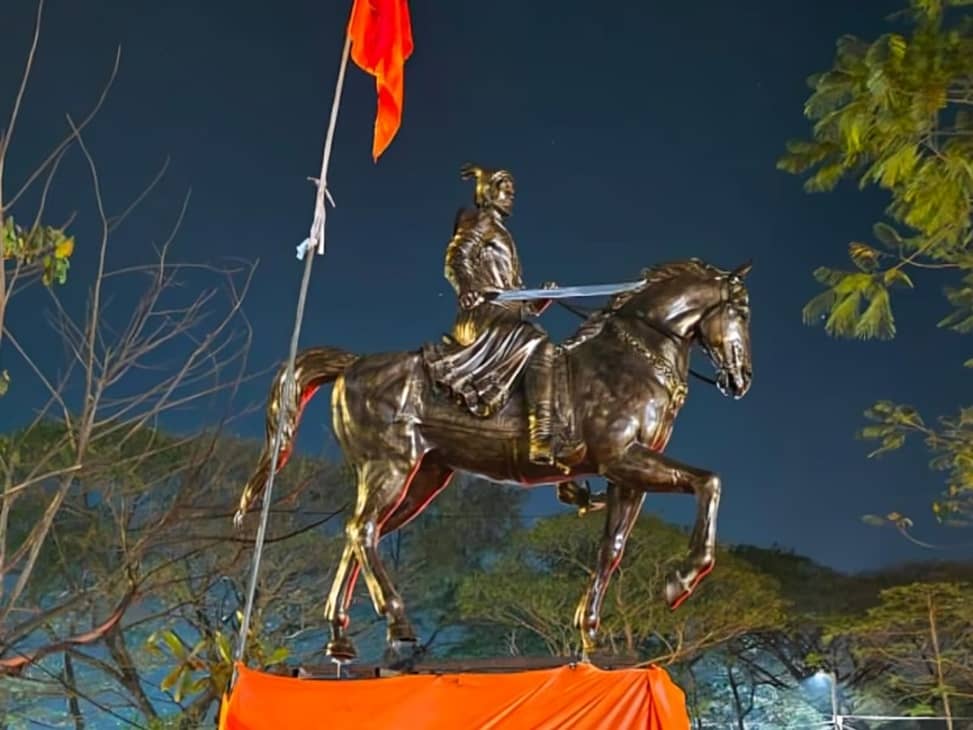
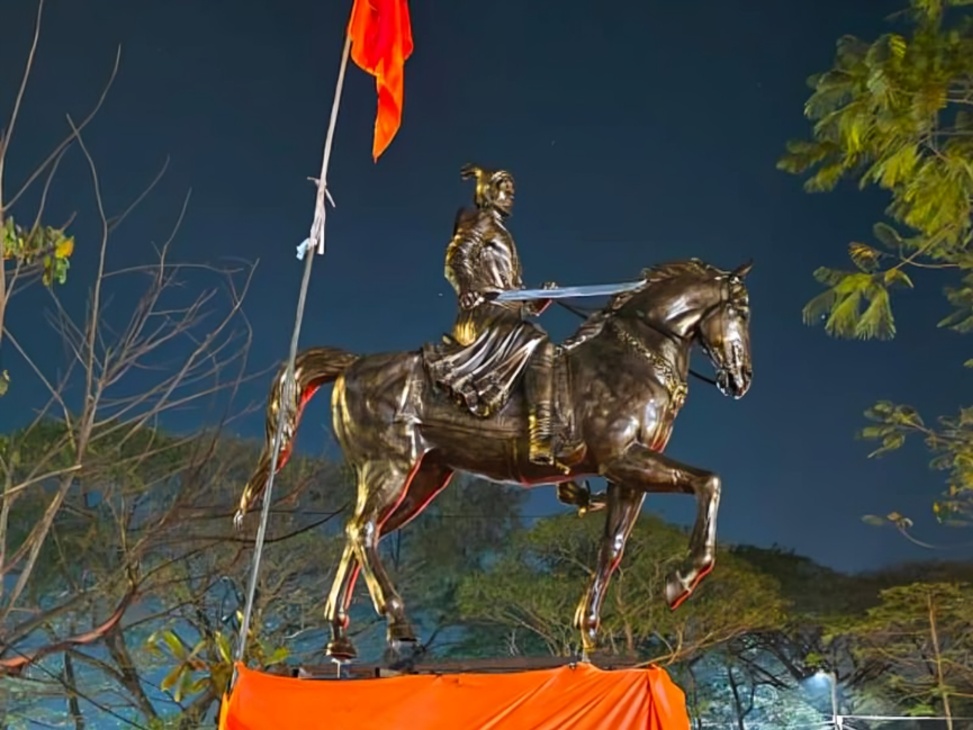
The Supreme Court has declined to interfere with an earlier order of the Bombay High Court directing the removal of a Chhatrapati Shivaji Maharaj statue installed on land belonging to the Mormugao Port Authority in Goa. The decision came after the petitioner challenged the High Court's ruling before the apex court.
A bench comprising Justices M M Sundresh and Sheel Nagu heard the matter. During the proceedings, the bench indicated that it was not inclined to entertain the petition. Following the Court's observations, the petitioner chose to withdraw the plea.
The Supreme Court subsequently dismissed the petition as withdrawn while granting liberty to the petitioner to approach the Bombay High Court by filing an appropriate application seeking modification or variation of the order already passed.
According to the Court's order, the petitioner remains free to pursue available legal remedies before the High Court. The Supreme Court did not examine the merits of the case or express any opinion on the legality of the statue's installation.
The dispute relates to the installation of a Chhatrapati Shivaji Maharaj statue on land owned by the Mormugao Port Authority in Goa. The Bombay High Court had earlier examined the matter and concluded that the statue had been installed without the necessary legal permissions required for construction on the port authority's property.
While delivering its earlier judgment, the Bombay High Court expressed concern over the actions of both the port authorities and the Goa administration. The High Court observed that the authorities had remained passive despite the alleged unauthorized installation of the statue and emphasized the need to ensure compliance with applicable laws and regulations governing public land.
The High Court subsequently directed that the statue be removed from the site in accordance with the law. The order was challenged before the Supreme Court through a special leave petition.
During the hearing before the apex court, however, the bench did not find sufficient grounds to interfere with the High Court's order at this stage. Instead of proceeding further with the challenge, the petitioner requested permission to withdraw the case, which the Court accepted.
The order granting liberty to approach the High Court allows the petitioner to seek modification of the earlier judgment if fresh legal grounds or relevant circumstances are presented. Such liberty is a common judicial practice that enables parties to pursue remedies before the appropriate forum without the Supreme Court deciding the substantive issues involved.
The case highlights the importance of obtaining statutory approvals before carrying out construction or installation of structures on government or public authority land. Courts have consistently emphasized that public property must be used in accordance with applicable legal procedures and administrative regulations.
The matter may now return to the Bombay High Court if the petitioner files a fresh application seeking appropriate relief under the liberty granted by the Supreme Court. Until any further judicial orders are passed, the High Court's earlier directions remain in force.