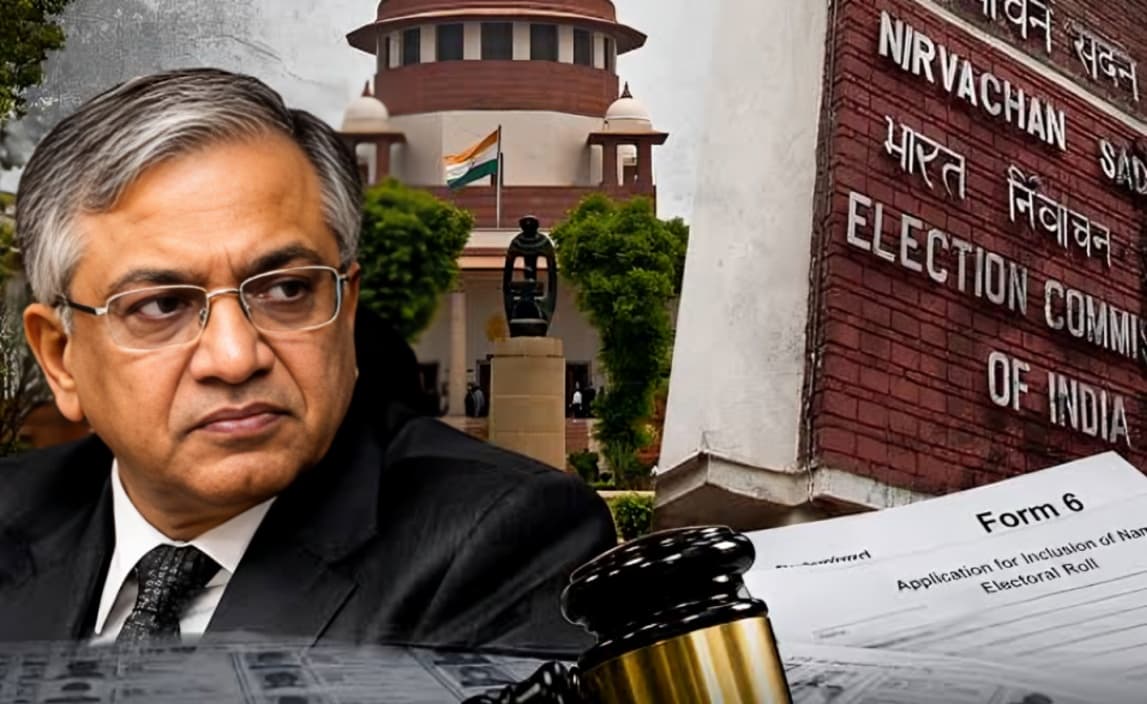
The Supreme Court has directed the Tamil Nadu government to either return approximately 970 acres of land acquired for industrial development or compensate the affected landowners in accordance with the provisions of the land acquisition law that came into effect on January 1, 2014. The ruling is expected to have significant legal and financial implications for the state government.
The case relates to land acquired during 2009 and 2010 for industrial development through the State Industries Promotion Corporation of Tamil Nadu (SIPCOT). The acquisition was intended to support industrial projects and promote economic growth in the region. However, the dispute arose over the delay in completing the acquisition process and the payment of compensation to the landowners.
During the hearing, senior advocates appearing on behalf of SIPCOT informed the Supreme Court that the state government was prepared to pay compensation of approximately ₹21 crore based on the valuation and procedures applicable under the earlier legal framework.
On the other hand, counsel representing the landowners argued that although the acquisition process had begun in 2009 and 2010, the authorities did not pass the required award within the prescribed period. It was submitted that the delay meant the acquisition process remained incomplete, making the provisions of the newer land acquisition law applicable to the case.
The landowners further argued that they had not received compensation despite the government retaining possession of the land for several years. According to their submissions before the court, the delay deprived them of both the use of their land and the compensation they were entitled to receive under the law.
The matter also referred to an earlier judgment of the Madras High Court, which held that the provisions of the Right to Fair Compensation and Transparency in Land Acquisition, Rehabilitation and Resettlement Act, 2013, effective from January 1, 2014, would apply because the acquisition process had not been completed before the new law came into force.
According to the state's submissions, applying the 2014 law would significantly increase the compensation payable. The government informed the court that the estimated amount could rise from around ₹21 crore to more than ₹180 crore, resulting in a substantial financial obligation.
After considering the submissions from both sides, the Supreme Court directed the state to either return the acquired land to the owners or provide compensation as required under the applicable legal framework. The court's order highlights the importance of completing land acquisition proceedings within the timelines prescribed by law and ensuring that affected landowners receive timely compensation.
The judgment is expected to be closely watched because it reinforces legal safeguards for property owners while emphasizing the responsibility of acquiring authorities to comply with statutory procedures. Legal experts believe the decision may influence similar land acquisition disputes pending before courts in different parts of the country.
The ruling also underlines the principle that delays in acquisition proceedings cannot indefinitely deprive landowners of their legal rights. Any future action in the matter will depend on how the Tamil Nadu government chooses to comply with the directions issued by the Supreme Court.