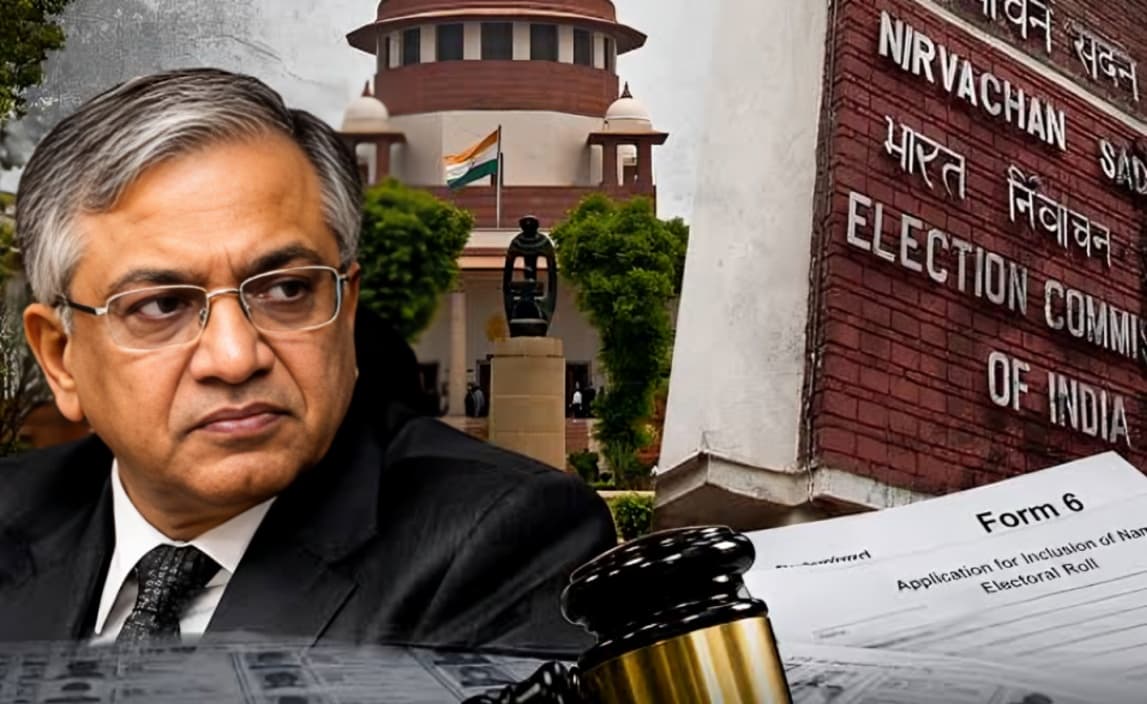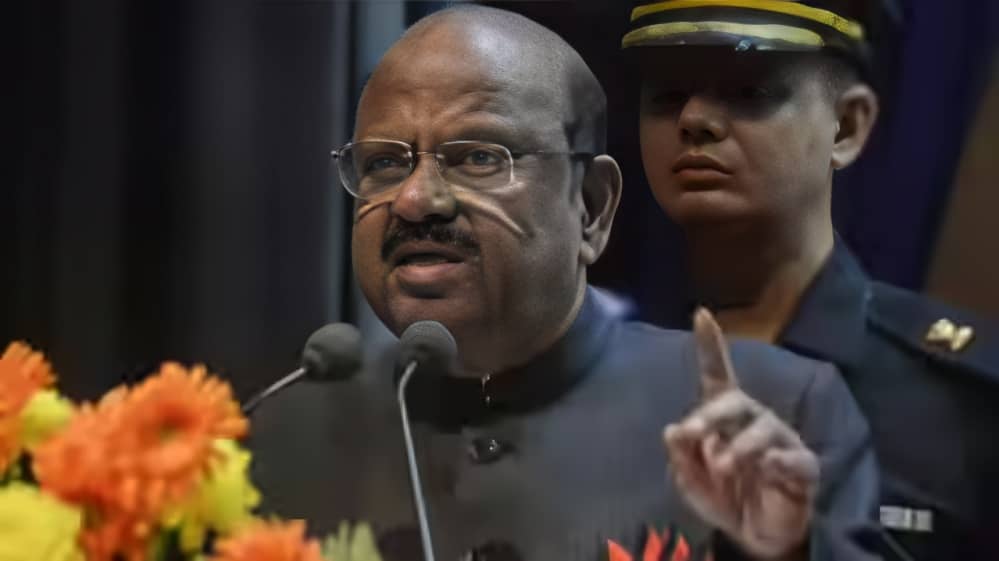

Supreme Court of India has issued directions to the Governor of West Bengal to appoint vice chancellors for three state universities within a period of four weeks, marking a significant development in the long running dispute over university appointments in the state.
The decision is expected to help resolve administrative uncertainty that had affected higher education institutions across West Bengal for an extended period. The disagreement between the Governor’s office and the state government regarding the appointment process for vice chancellors had become a major constitutional and political issue.
The dispute involved appointments in several state aided universities, where delays in selecting permanent vice chancellors had reportedly impacted academic administration, policy implementation and institutional governance.
Vice chancellors play a crucial role in university administration as they oversee academic management, examinations, faculty coordination and institutional decision making. Prolonged vacancies in these positions often create operational difficulties for universities and affect administrative continuity.
The Supreme Court’s intervention came amid concerns regarding delays and disagreements over appointment procedures between constitutional authorities and the state administration.
Legal experts noted that the case highlighted broader constitutional questions related to the powers of Governors and state governments in university administration. In many Indian states, Governors serve as Chancellors of state universities and are involved in the appointment process for vice chancellors.
The issue in West Bengal had attracted national attention because it reflected growing tensions between constitutional offices and elected state governments over educational governance matters.
According to reports, the Supreme Court directed that appointments for the three universities be completed within four weeks in order to restore administrative stability and ensure the smooth functioning of higher education institutions.
Education experts welcomed the development, stating that universities require stable leadership to maintain academic standards, manage institutional reforms and support student activities effectively.
Several universities in West Bengal had reportedly been functioning under interim arrangements due to delays in permanent appointments. Academic observers believe prolonged uncertainty can affect long term planning, faculty recruitment and educational policy implementation.
The legal dispute also became politically sensitive because of ongoing disagreements between the state administration and the Governor’s office over multiple governance related issues.
Analysts say the Supreme Court’s order may help reduce institutional uncertainty and provide clarity regarding immediate administrative responsibilities within the affected universities.
Higher education governance has increasingly become an important issue in India as universities face growing demands related to research, infrastructure development, digital education and global academic competitiveness.
Experts point out that efficient leadership is essential for universities to manage academic reforms and maintain regulatory compliance with national education standards.
The Supreme Court’s involvement also underlines the judiciary’s role in resolving disputes involving constitutional interpretation and institutional administration.
Political commentators believe the decision may influence future discussions regarding the balance of authority between Governors and state governments in educational appointments across India.
Meanwhile, students, faculty members and university administrators are expected to closely monitor the implementation of the court’s directive over the coming weeks.
Observers say the resolution of the vice chancellor appointment issue could help restore administrative normalcy in affected universities and improve decision making processes within higher education institutions.
The case has also sparked wider debate regarding the need for transparent, efficient and time bound appointment procedures in universities to avoid prolonged institutional uncertainty.
Education sector analysts note that universities require consistent leadership to effectively manage academic calendars, research initiatives, examinations and collaborations with national and international institutions.
The Supreme Court’s directive therefore represents an important step toward resolving a prolonged administrative dispute that had affected higher education governance in West Bengal.
Overall, the court’s order is being viewed as a significant intervention aimed at ensuring institutional stability, administrative continuity and smoother functioning of state universities in West Bengal.