
The Supreme Court on Thursday heard arguments concerning the practice of female genital mutilation within the Dawoodi Bohra Muslim community, with a petitioner arguing that the ritual violates the constitutional rights, dignity, and bodily integrity of minor girls.
Appearing on behalf of petitioner Masooma Ranalvi, senior advocate Sidharth Luthra told a nine-judge Constitution Bench that the practice causes irreversible physical and psychological harm to children and should be viewed as a violation of health and personal dignity. He further argued that the act could attract provisions under the Protection of Children from Sexual Offences Act, commonly known as the Pocso Act.
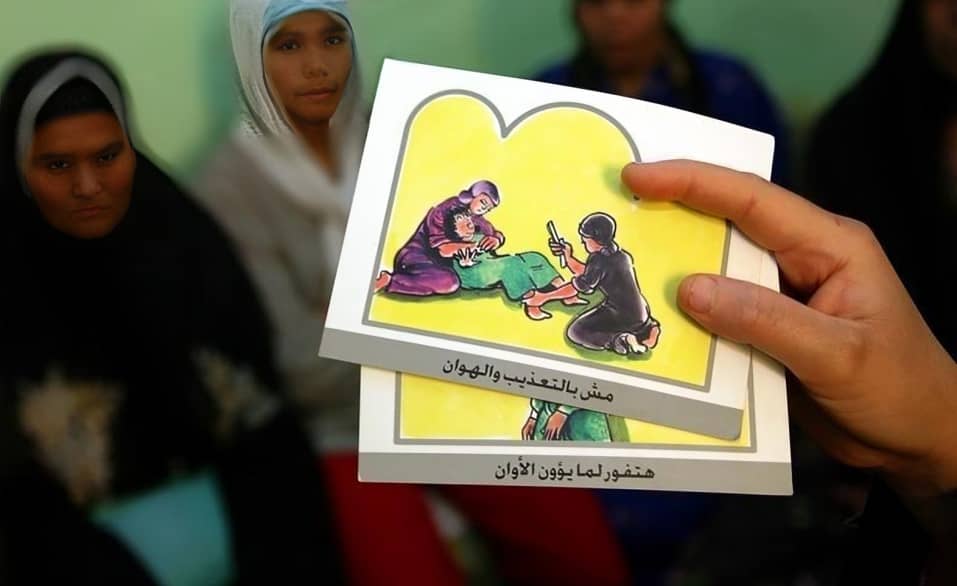
According to the submissions made before the court, the ritual is allegedly performed on girls around the age of seven. The petitioner argued that children of such a young age are incapable of giving consent, making the practice non-consensual in nature. The arguments emphasized that the procedure can have long-term emotional and physical consequences for affected children.
The petitioner also raised concerns regarding social pressure within the community. It was argued before the bench that many families do not openly oppose the practice because of fears related to excommunication and social isolation. According to the submissions, community members who challenge traditional customs may face social boycott or the severing of economic and social relationships within the religious group.
The Constitution Bench hearing the matter was headed by Chief Justice Surya Kant and included Justices B V Nagarathna, M M Sundresh, A Amanullah, Aravind Kumar, A G Masih, P B Varale, R Mahadevan, and Joymalya Bagchi.
During the proceedings, the bench discussed broader constitutional questions concerning the balance between religious freedom and individual rights. The judges observed that individual cases involving excommunication or disputes within a denomination could be challenged before civil courts. However, the bench also examined whether religious practices maintained to preserve a denomination’s identity could be questioned under constitutional law.
The issue of female genital mutilation has remained a subject of debate among legal experts, health professionals, and human rights groups in India and internationally. Critics of the practice argue that it violates the rights of children and women, while supporters within some communities describe it as a religious or cultural custom.
Health experts and child rights activists have repeatedly raised concerns regarding the medical and psychological impact of such practices on minors. International organizations, including global health agencies, have also advocated for stronger measures against procedures involving non-medical genital alteration of children.
Legal experts note that the Supreme Court’s examination of the issue could have wider implications for the interpretation of religious freedoms under the Constitution. The case also raises important questions regarding the protection of children, bodily autonomy, and the extent of judicial intervention in religious customs.
The matter remains under consideration before the Constitution Bench, and no final judgment has been delivered yet. Further hearings are expected as the court continues to examine arguments from different parties involved in the case.
The proceedings have attracted national attention due to the sensitive nature of the issue and its connection to constitutional rights, religious freedom, and child protection laws in India.