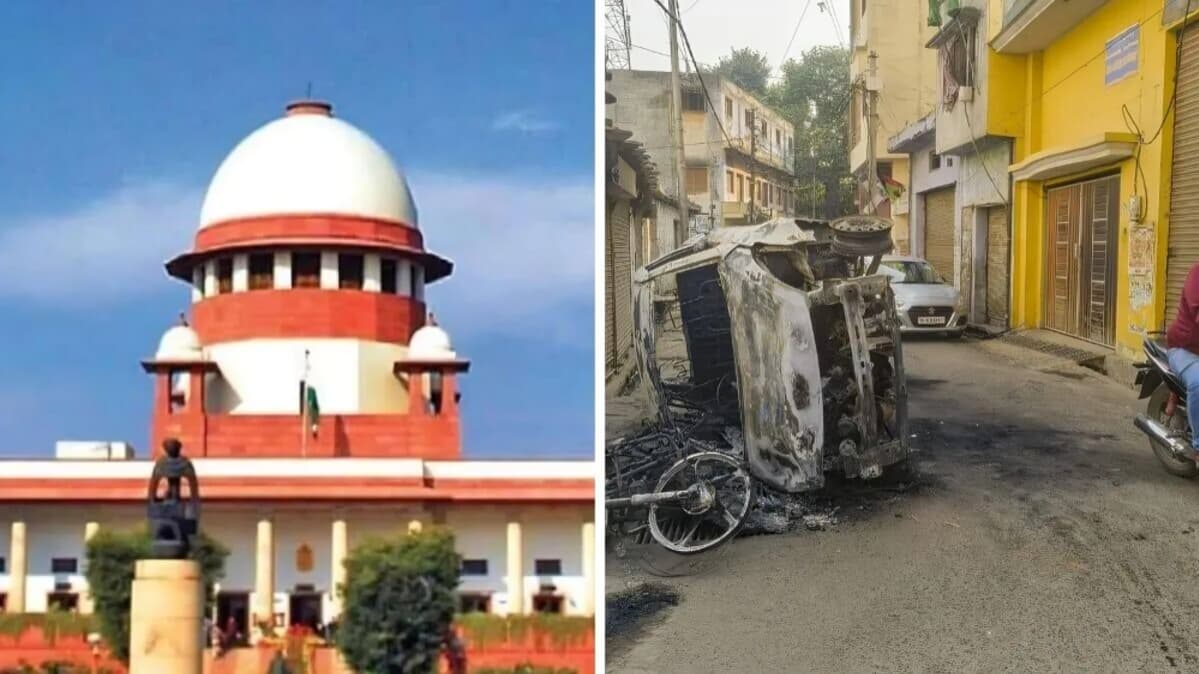

The Supreme Court of India has observed that the State should consider counselling and corrective measures rather than adopting an aggressive approach while dealing with young people involved in incidents of stone-pelting during the protest held on July 20. The observations were made during the hearing of a matter related to the protests and the subsequent police action.
During the proceedings, the Court stressed that maintaining public order remains an important responsibility of the State. At the same time, it observed that young individuals involved in such incidents should be dealt with in a manner that encourages reform and rehabilitation wherever circumstances permit.
According to the Court, counselling can play a constructive role in addressing the behaviour of young people who become involved in public disturbances. The Bench indicated that a balanced approach could help prevent further escalation while also ensuring that legal processes are followed.
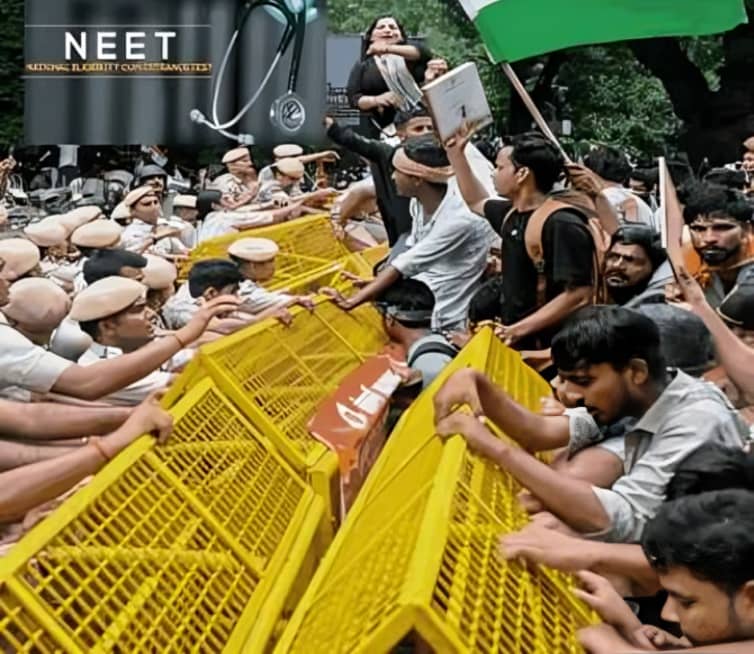
The observations came in the context of arguments presented before the Court concerning the handling of protesters during the July 20 demonstrations. The matter relates to allegations regarding police action and the treatment of individuals who participated in the protest. The Court has not delivered a final judgment on the merits of the case, and the proceedings remain ongoing.
The Supreme Court also underlined that the rule of law must be upheld in every situation. It observed that while authorities have the responsibility to maintain peace and public safety, enforcement measures should remain proportionate and consistent with constitutional principles and established legal procedures.
Legal experts note that courts often distinguish between maintaining public order and ensuring that fundamental rights and constitutional protections are respected during law enforcement operations. Judicial observations made during hearings are part of the legal process and may not necessarily represent the Court's final conclusions unless incorporated into its final judgment or order.
The case has drawn attention because it concerns the balance between law enforcement responsibilities and the rights of individuals participating in public demonstrations. It also raises broader questions regarding the treatment of young people who become involved in protest-related incidents.
The Supreme Court is expected to continue hearing the matter before issuing any final directions. Until then, the observations made during the proceedings remain part of the ongoing judicial consideration of the issues presented before the Bench.
The outcome of the case may provide further guidance on the principles governing police action, the protection of constitutional rights, and the appropriate response of authorities when dealing with young participants in public protests.