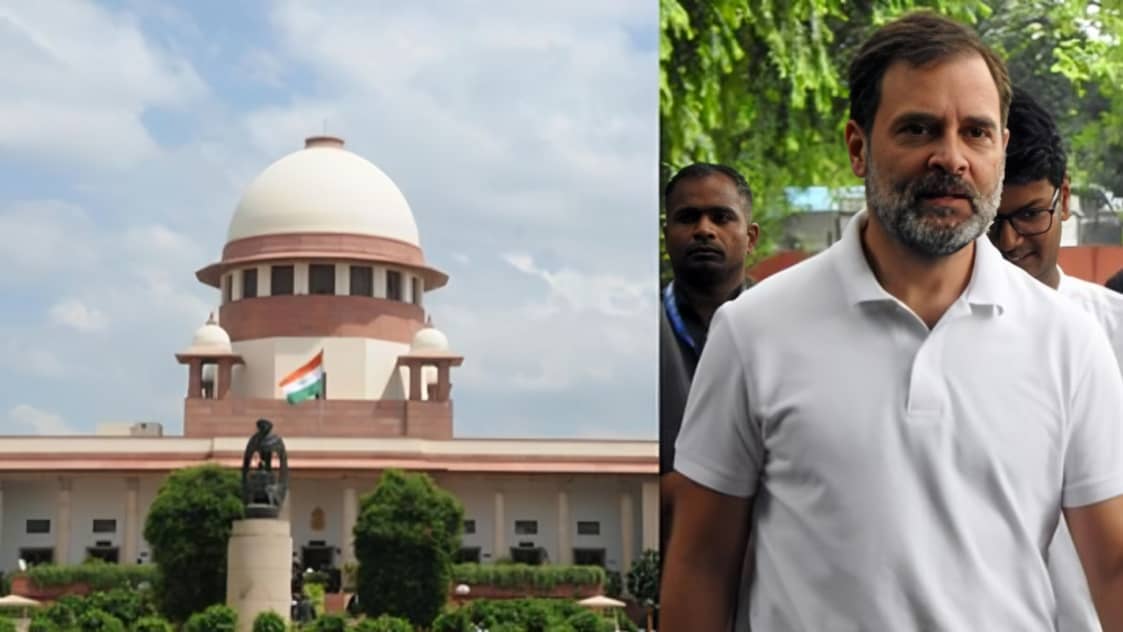
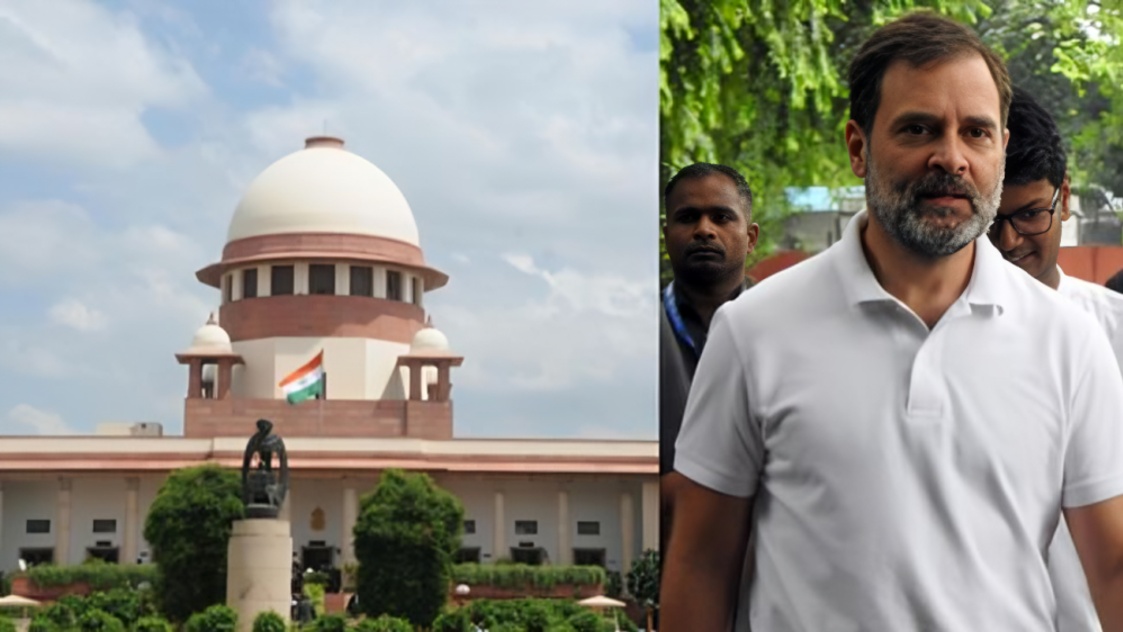
The Supreme Court has granted relief to Congress leader and Leader of Opposition in the Lok Sabha Rahul Gandhi by quashing a criminal defamation complaint and the summons issued against him in connection with remarks concerning Vinayak Damodar Savarkar.
A bench comprising Justices Dipankar Datta and Sheel Nagu heard the matter and set aside the proceedings after noting that the required sanction from the Uttar Pradesh government had not been obtained before the prosecution was initiated. The absence of the mandatory sanction was central to the Supreme Court's decision.
The case originated from remarks made by Rahul Gandhi during the Bharat Jodo Yatra in Maharashtra in November 2022. His comments concerning Savarkar led to a criminal complaint being filed in Uttar Pradesh. The complaint alleged that Gandhi's remarks were defamatory and had the potential to create social disharmony.
The matter subsequently reached the courts in Uttar Pradesh. A trial court in Lucknow had issued summons to Gandhi in connection with the complaint. The proceedings were later challenged before higher courts, eventually bringing the matter before the Supreme Court.
The Supreme Court had earlier intervened in the matter and stayed the proceedings against Gandhi. During an earlier hearing, the court had also cautioned Gandhi regarding statements concerning freedom fighters. The court had emphasised that public figures should exercise restraint while making statements about individuals who played a role in India's freedom struggle.
The latest order, however, focused on the legal requirement concerning government sanction. The Supreme Court found that the prosecution could not continue without the necessary sanction from the Uttar Pradesh government. As a result, the criminal complaint and the summons issued by the lower court were quashed.
The legal development provides significant relief to Rahul Gandhi in this particular case. However, the Supreme Court's decision was based on the procedural and legal requirement regarding sanction and should not be interpreted as a judicial finding on the factual or political merits of the remarks themselves.
The controversy surrounding Gandhi's comments has been part of a wider political debate involving the Congress and the Bharatiya Janata Party. Savarkar remains an important and contested figure in India's political and historical discourse, with different political groups holding contrasting views about his role in the freedom movement and his ideology.
The case also highlights the importance of procedural safeguards in criminal proceedings. Government sanction, where required by law, is a mandatory legal condition before certain prosecutions can proceed. The Supreme Court's latest ruling underlined the significance of following such statutory requirements.
The complaint against Gandhi had remained a subject of legal proceedings for several years. The original remarks were made during his Bharat Jodo Yatra, which began in 2022 and covered several states. His comments during the Maharashtra leg of the march subsequently became the subject of legal and political controversy.
The Supreme Court's latest ruling brings the proceedings arising from this particular complaint to an end at the present stage. The decision is likely to have political significance because the case involved one of the country's leading opposition figures and remarks concerning a prominent historical personality.
For Rahul Gandhi, the ruling represents legal relief from the summons and criminal complaint in the Uttar Pradesh case. Meanwhile, political disagreements over Savarkar and Gandhi's earlier remarks are expected to continue independently of the court proceedings.
The judgment also serves as a reminder that criminal proceedings must comply with the procedural requirements prescribed by law. In this case, the Supreme Court concluded that the absence of the required government sanction prevented the prosecution from proceeding.
The development is expected to generate reactions from both the Congress and opposition parties, as well as from political groups that had criticised Gandhi's remarks about Savarkar. The Supreme Court's order has nevertheless settled the immediate legal issue concerning the complaint and summons in Uttar Pradesh.