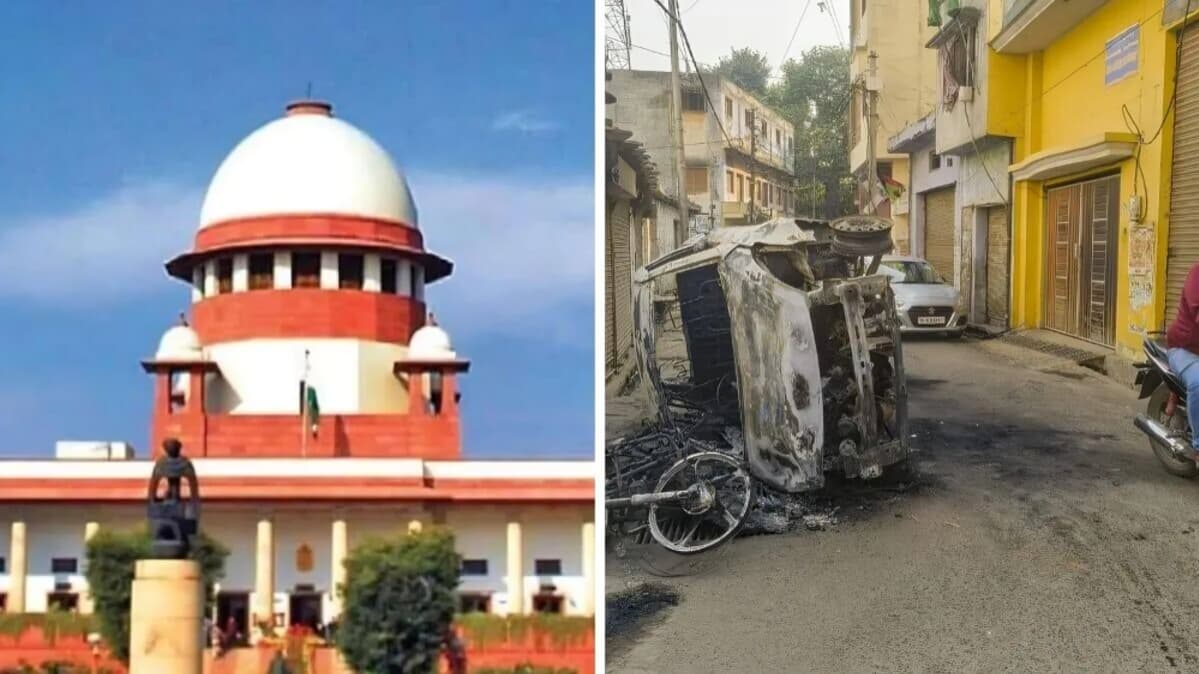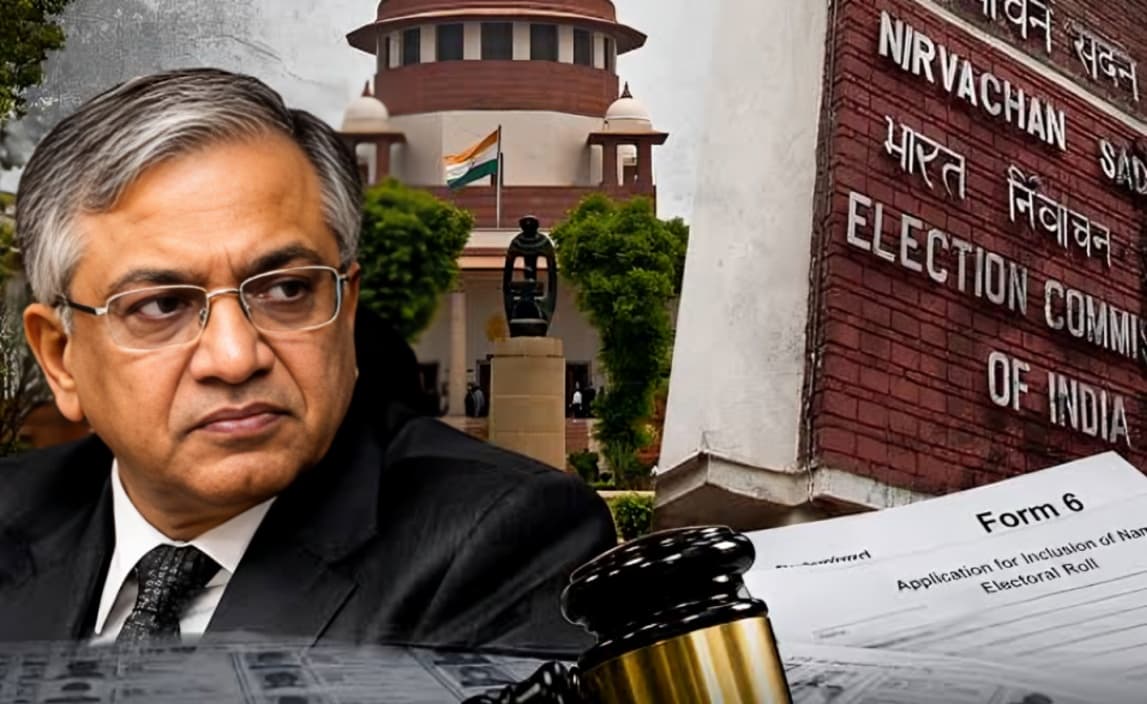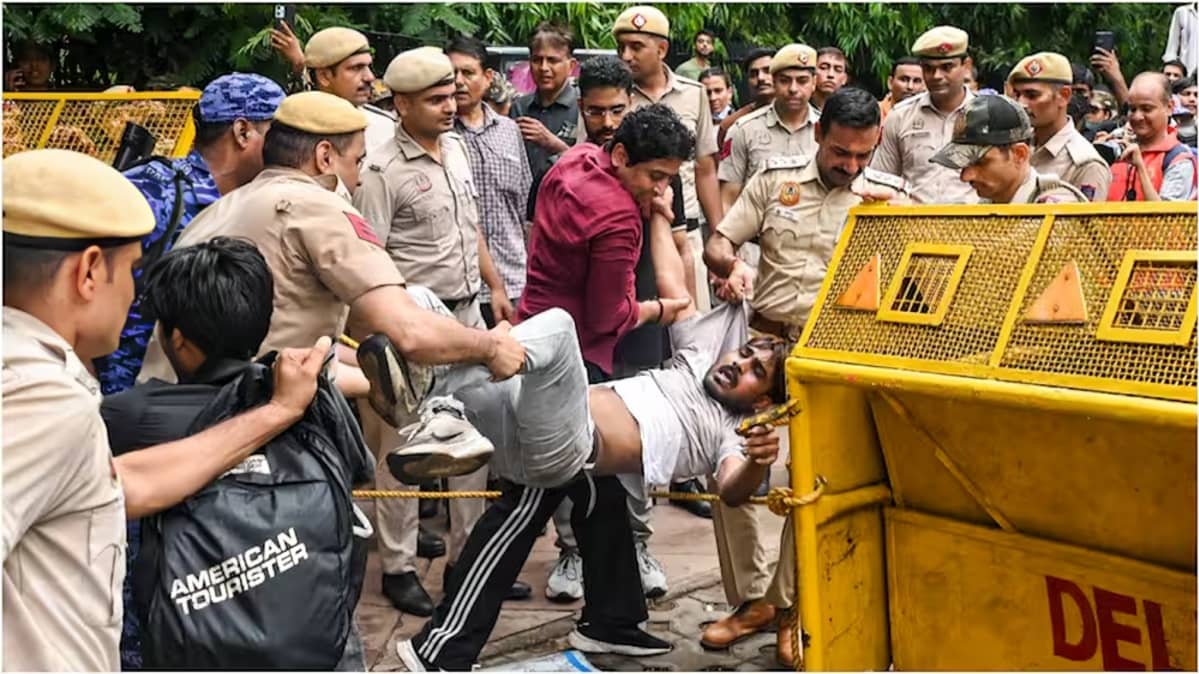
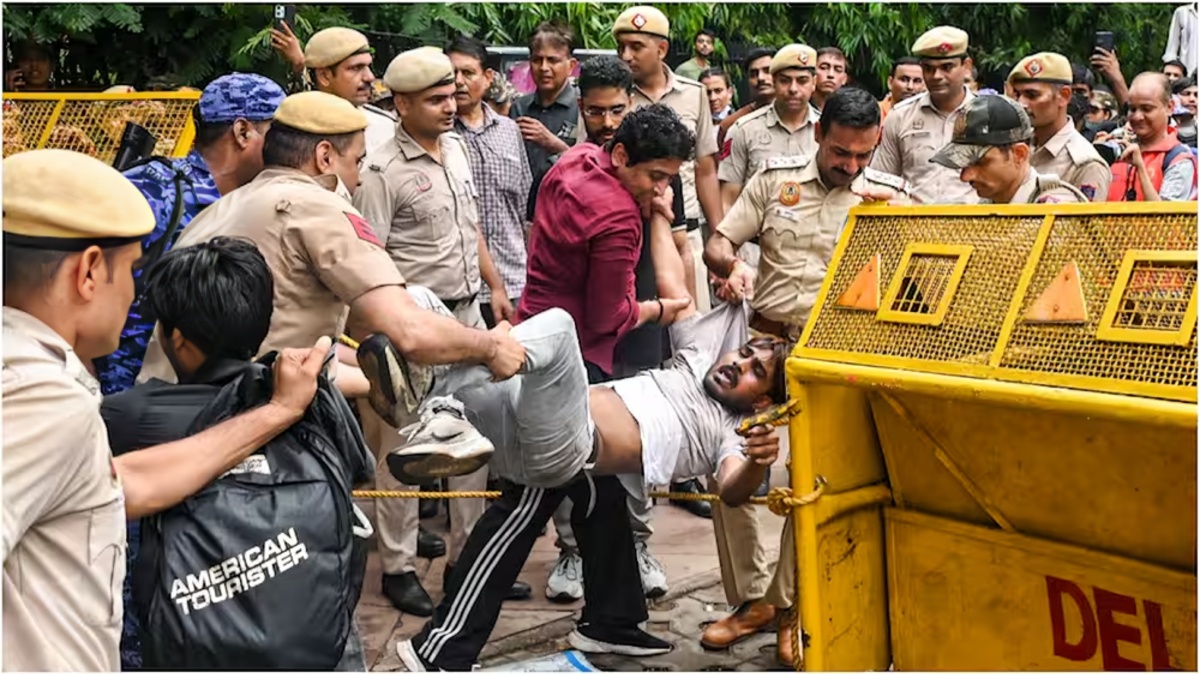
The Supreme Court on Monday reaffirmed that the right to peaceful protest is a fundamental constitutional guarantee while hearing petitions related to the alleged police action against students who participated in demonstrations over the NEET paper leak issue.
A Bench headed by Chief Justice of India Surya Kant observed that peaceful protests are protected under the Constitution and that allegations of police excesses cannot be justified solely because a public demonstration is taking place. The court made the observations during the hearing of petitions concerning the events that occurred during student protests held on July 20.
During the proceedings, the Bench noted that the constitutional right to peaceful assembly must be respected while maintaining public order. The court emphasized that democratic societies allow citizens to express their views through peaceful demonstrations and that authorities must balance law enforcement responsibilities with the protection of constitutional freedoms.
The Bench also indicated that there may be a need for a uniform nationwide protocol to regulate peaceful protests. According to the court, such a framework could help law enforcement agencies distinguish between peaceful demonstrators and individuals who may engage in unlawful activities. The proposed approach would also provide clear operational guidelines for police authorities while safeguarding the rights of citizens.
The petitions before the Supreme Court alleged that excessive force was used against students protesting the alleged NEET paper leak. The petitioners sought judicial intervention, alleging that police action during the demonstrations violated the rights of peaceful protesters. The allegations are currently under judicial consideration, and the court has not delivered any final findings on the merits of the claims.
During the hearing, the Chief Justice observed that the constitutional guarantee of peaceful protest cannot be denied merely because an agitation is taking place. The court stressed that every situation must be assessed on its own facts and that authorities are expected to act proportionately while maintaining law and order.
The observations come amid continuing public and political discussions surrounding the NEET examination and allegations related to question paper leaks. The controversy has prompted demonstrations by students in different parts of the country, with demands for greater transparency, accountability and stronger safeguards in public examinations.
Legal experts believe that the court's observations could contribute to future discussions on standard operating procedures for handling public protests. A uniform protocol may help ensure consistency in police response while protecting constitutional rights and maintaining public safety.
The Supreme Court has not passed a final order in the matter, and the petitions remain under consideration. Further hearings are expected, during which the court may examine additional submissions from the petitioners, government authorities and other concerned parties before issuing any directions.
The case continues to attract nationwide attention because it involves both the constitutional right to peaceful protest and broader concerns regarding the conduct of public authorities during demonstrations. The court's future decisions may have implications for protest management and the protection of civil liberties across the country.