The Supreme Court on Monday issued notices to the Central Government and the Delhi Government on a Public Interest Litigation that seeks the identification of an alternative venue for public protests instead of Jantar Mantar in New Delhi.
A Bench of the Supreme Court directed both governments to file their responses after hearing preliminary submissions made by the petitioner. The matter raises important questions regarding the balance between the constitutional right to peaceful protest and the rights of residents and the general public affected by frequent demonstrations at one of the country's most well-known protest locations.
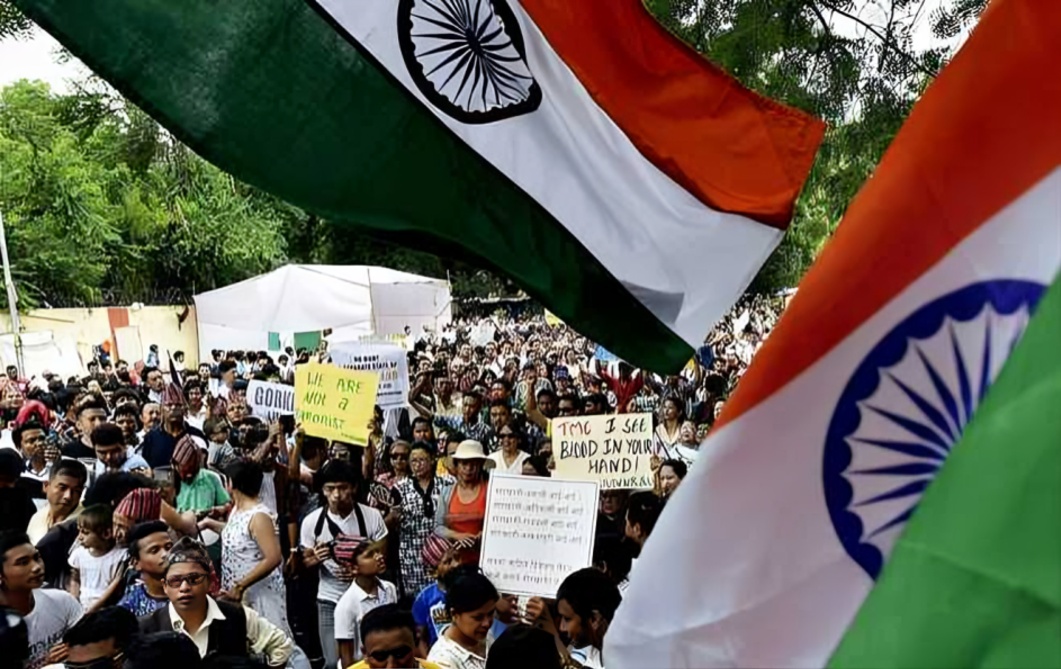
Jantar Mantar has long served as a designated venue for protests, demonstrations, and public gatherings in the national capital. Over the years, it has hosted numerous protests by political parties, social organisations, students, farmers, government employees, and civil society groups seeking to draw attention to various public issues.
The Public Interest Litigation argues that continuous protests at Jantar Mantar often result in traffic congestion, noise, security concerns, and inconvenience to residents, businesses, and commuters in the surrounding area. According to the petitioner, the authorities should identify a more suitable location that can accommodate large gatherings while minimizing disruption to everyday public life.
The petition does not seek to restrict the constitutional right to peaceful assembly. Instead, it requests that the government develop an alternative site equipped with adequate infrastructure, security arrangements, sanitation facilities, and sufficient space to allow demonstrations to take place in an organized manner.
During the hearing, the Supreme Court observed that the issues raised in the petition required consideration and therefore sought responses from both the Union Government and the Delhi Government. The Court has not expressed any opinion on the merits of the petition and has only initiated the process by issuing notices to the concerned authorities.
The Centre and the Delhi Government are expected to present their respective positions before the Court on whether existing arrangements at Jantar Mantar remain adequate or whether an alternative protest venue should be considered. Their responses may also address previous policies governing public demonstrations in the national capital.
The case comes at a time when the issue of designated protest spaces has periodically been debated in courts and among policymakers. Courts have consistently recognized that citizens have a fundamental right to peaceful protest under the Constitution, while also observing that this right must be exercised in a manner that does not disproportionately affect the rights of others or public order.
Legal experts note that any future decision by the Supreme Court could influence how public protest locations are managed in Delhi. If the Court ultimately directs the authorities to consider an alternative venue, the decision may lead to changes in administrative policies concerning demonstrations and public assemblies.
The matter is currently at a preliminary stage, and no final directions have been issued. The Supreme Court will consider the responses filed by the Central Government and the Delhi Government before deciding the next course of action.
The outcome of the case is expected to be closely watched by civil society groups, public authorities, legal experts, and organizations that regularly organize peaceful demonstrations in the national capital.