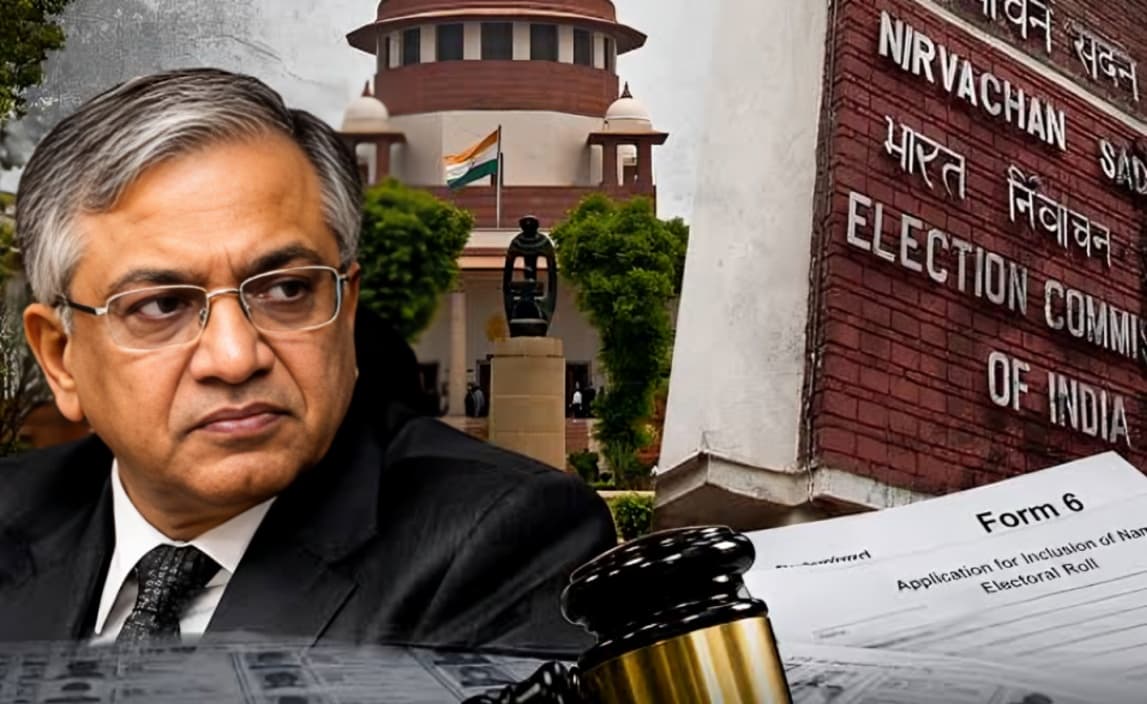

Congress leader Meenakshi Natarajan has moved the Supreme Court challenging the rejection of her nomination papers for the upcoming Rajya Sabha elections in Madhya Pradesh. The matter has gained attention due to its potential implications for election procedures and candidate disclosures.
The Supreme Court agreed to hear Natarajan's petition on Friday following a request for urgent consideration. However, the court declined to grant interim relief in the form of a stay on the declaration of election results while the matter is being examined.
During the proceedings, senior advocate A M Singhvi, representing Natarajan, argued that the rejection of the nomination was not justified under the applicable election rules. According to the submissions made before the court, a private complaint had been filed against Natarajan in Telangana, and a notice had been issued in connection with that complaint.
The legal team contended that the matter had not progressed to a stage where it could be classified as a criminal case requiring disclosure in election nomination documents. They argued that the court concerned had not taken cognisance of the complaint, no formal investigation had been initiated, and no chargesheet had been filed.
According to the petition, the issuance of a notice alone should not be treated as sufficient grounds to classify the matter as a criminal case under election disclosure requirements. The legal arguments focus on the interpretation of election rules governing candidate nominations and the extent of information that must be disclosed by individuals contesting elections.
Election laws in India require candidates to provide details regarding criminal cases and other relevant information in their nomination papers. These provisions are intended to ensure transparency and enable voters and electoral authorities to have access to important background information about candidates. However, disputes occasionally arise regarding the stage at which a legal proceeding becomes a disclosable matter.
The case is expected to address important questions related to the interpretation of election disclosure norms and the standards applied by returning officers while scrutinizing nomination papers. Legal experts note that the outcome could provide greater clarity regarding the disclosure obligations of election candidates.
Meanwhile, the Supreme Court's decision not to halt the declaration of results means that the election process will continue as scheduled while the legal challenge is being heard. The court's final decision on the petition could have implications for future nomination disputes involving similar issues.
Political observers are closely following the developments, as Rajya Sabha elections often play an important role in determining party representation in the Upper House of Parliament. The matter has also drawn attention because it involves the interpretation of election law and procedural fairness in the nomination process.
The Supreme Court is expected to hear detailed arguments from both sides before delivering its decision on the validity of the nomination rejection and the legal issues raised in the petition.