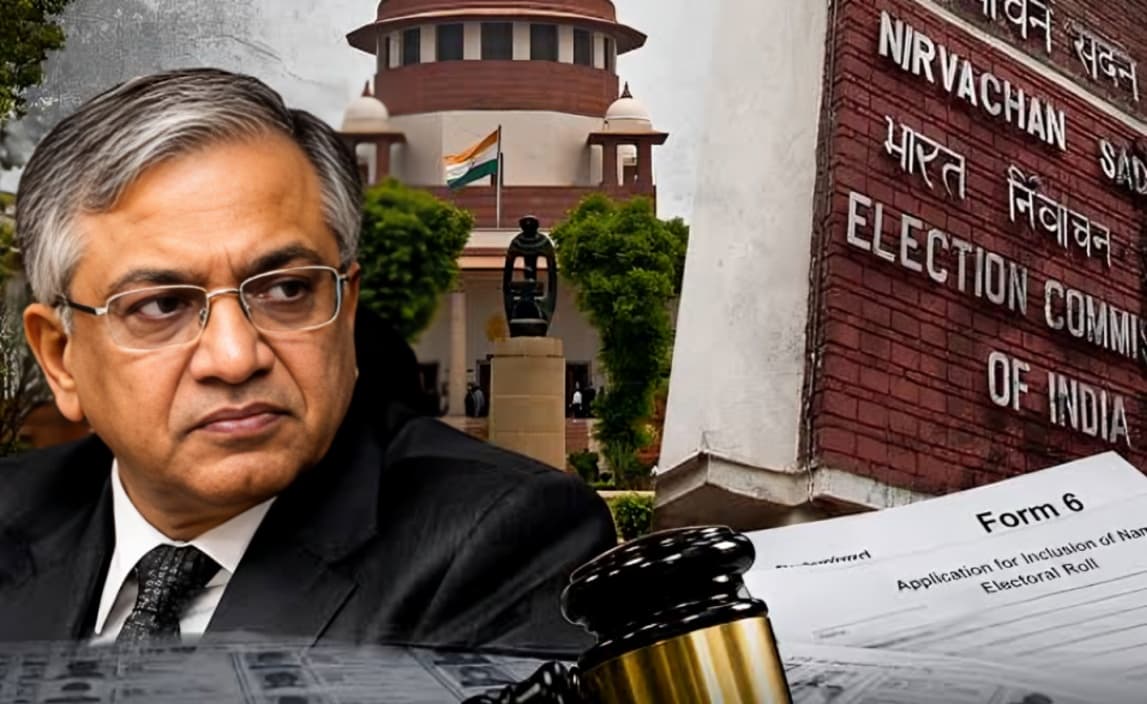
The Supreme Court has agreed to hear a petition concerning the Karur stampede case in Tamil Nadu. The petition alleges that some individuals named as accused in the case are attempting to influence witnesses after assuming ministerial positions in the state government. The matter has attracted legal and public attention because it relates to the fairness of the ongoing judicial process.
A Bench comprising Justice Ahsanuddin Amanullah and Justice Sheel Nagu agreed to list the matter for hearing. During the upcoming proceedings, the court is expected to examine the allegations raised in the petition and hear submissions from the parties involved before deciding on any further course of action.
The petition expresses concern that the appointment of certain accused individuals to ministerial positions could affect the independence of witnesses connected with the case. It seeks appropriate judicial intervention to ensure that the investigation and trial continue without any external influence. The petitioner has requested that the court take necessary measures to protect the integrity of the legal process.
At this stage, the allegations contained in the petition have not been examined or verified by the Supreme Court. The court's decision to hear the matter should not be interpreted as a finding on the merits of the claims. The hearing will provide an opportunity for all concerned parties to present their arguments before the Bench.
The Karur stampede case has remained under public scrutiny since the incident occurred, with legal proceedings continuing in accordance with established judicial procedures. Courts in India have consistently emphasised the importance of ensuring a fair investigation, protecting witnesses, and maintaining public confidence in the justice system.
Legal experts note that witness protection and the prevention of undue influence are essential components of a fair criminal justice process. Whenever such concerns are raised before constitutional courts, they are examined based on the evidence and legal submissions presented by all parties. The judiciary evaluates each case independently and issues directions where considered necessary under the law.
The Supreme Court's hearing is expected to focus on whether there is sufficient material to justify any interim protection or additional safeguards for witnesses. The respondents will also have an opportunity to present their version before the court considers any further orders.
As the matter is currently under judicial consideration, no conclusions have been reached regarding the allegations made in the petition. Any findings or directions will depend on the evidence, legal arguments, and applicable provisions of law presented during the proceedings.
The case highlights the judiciary's role in ensuring that criminal proceedings are conducted fairly and without interference. The Supreme Court's forthcoming hearing is expected to clarify the issues raised in the petition and determine the appropriate legal course in accordance with constitutional and statutory principles. Until then, the allegations remain subject to judicial examination, and the legal process will continue under the supervision of the court.