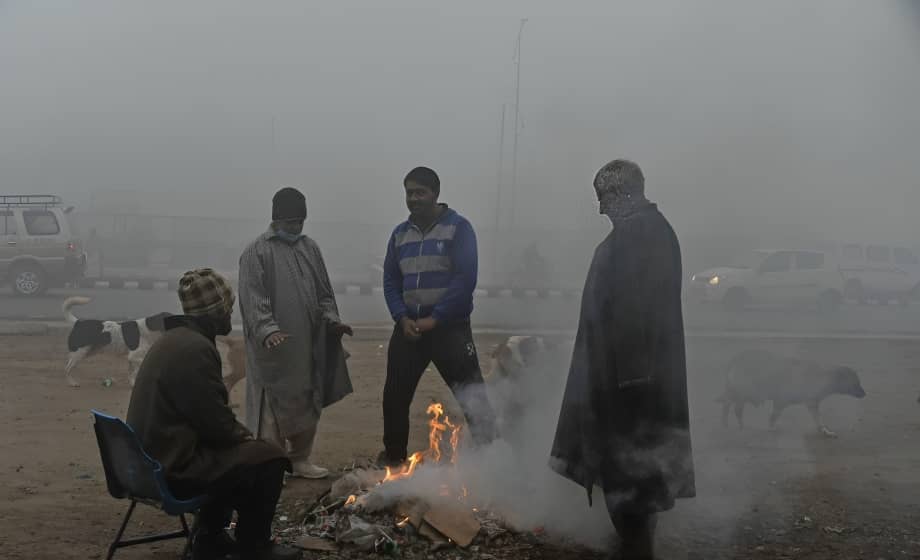
Kashmir is witnessing an intensified cold wave as temperatures across the valley continue to drop, with Srinagar recording a minimum temperature of –1.8 degrees Celsius. The cold conditions have brought a noticeable chill to the region, affecting both urban and rural areas. Early morning visuals from Srinagar showed Dal Lake enveloped in thick mist, creating a wintry scene that reflected the falling temperatures.
According to weather officials, the current cold spell is the result of clear skies and reduced cloud cover during nighttime, allowing heat to escape rapidly from the surface. Calm wind conditions have further contributed to the sharp fall in temperatures. Several other parts of Kashmir also recorded sub-zero temperatures, indicating a widespread impact of the cold wave.
In the early hours, many residents reported frost on vehicles, rooftops, and open fields. The cold weather has led to an increase in the use of heating devices such as room heaters and traditional fire pots known locally as kangris. Authorities have advised people to use heating appliances carefully to prevent accidents and health risks.
The cold wave has also begun to affect water supply in some areas, with reports of frozen water pipelines during the night. Municipal bodies have urged residents to insulate exposed pipes to avoid disruptions. Farmers in the region are keeping a close watch on weather conditions, as prolonged cold can impact crops and horticultural produce, particularly apples and vegetables.
Dal Lake, one of Srinagar’s most prominent landmarks, presented a calm yet cold sight as mist hovered over its surface during the morning hours. While the lake has not frozen yet, prolonged cold conditions could lead to partial freezing in shallow areas, a phenomenon often observed during peak winter months.
The Meteorological Department has indicated that the cold wave conditions may continue over the next few days, with no significant weather disturbance expected in the immediate future. Night temperatures are likely to remain low, while daytime temperatures may show only marginal improvement.
Health experts have advised residents, especially children and elderly people, to take precautions against cold-related illnesses. Wearing warm clothing, avoiding prolonged exposure to cold, and maintaining indoor warmth have been recommended.
As winter tightens its grip, daily life in Kashmir is gradually adjusting to the seasonal challenges. Authorities remain on alert to manage essential services, while residents brace for colder nights ahead.