In recent days, several elected representatives in Jammu & Kashmir have described cultural influences from other parts of India as an “invasion,” prompting a heated public debate. The comments, made at various political gatherings, have drawn sharp criticism from opposition parties, civil society groups, and cultural organizations, who accuse the speakers of undermining the region’s pluralistic ethos.
Proponents of the remarks argue they stem from genuine concerns over preserving Jammu & Kashmir’s unique cultural heritage, which has evolved over centuries of local traditions, languages, and arts. They claim that rapid social and economic integration, while beneficial in many respects, risks diluting indigenous customs and marginalizing local artisans and performers.
Opponents, however, warn that likening peaceful cultural exchange to an invasion is inflammatory and counterproductive. “Culture thrives on openness, not walls,” said a senior leader from the National Conference. “We must celebrate diversity, not fear it.” Civil society activists have organized round-table discussions to promote mutual understanding and have urged politicians to choose their words carefully.
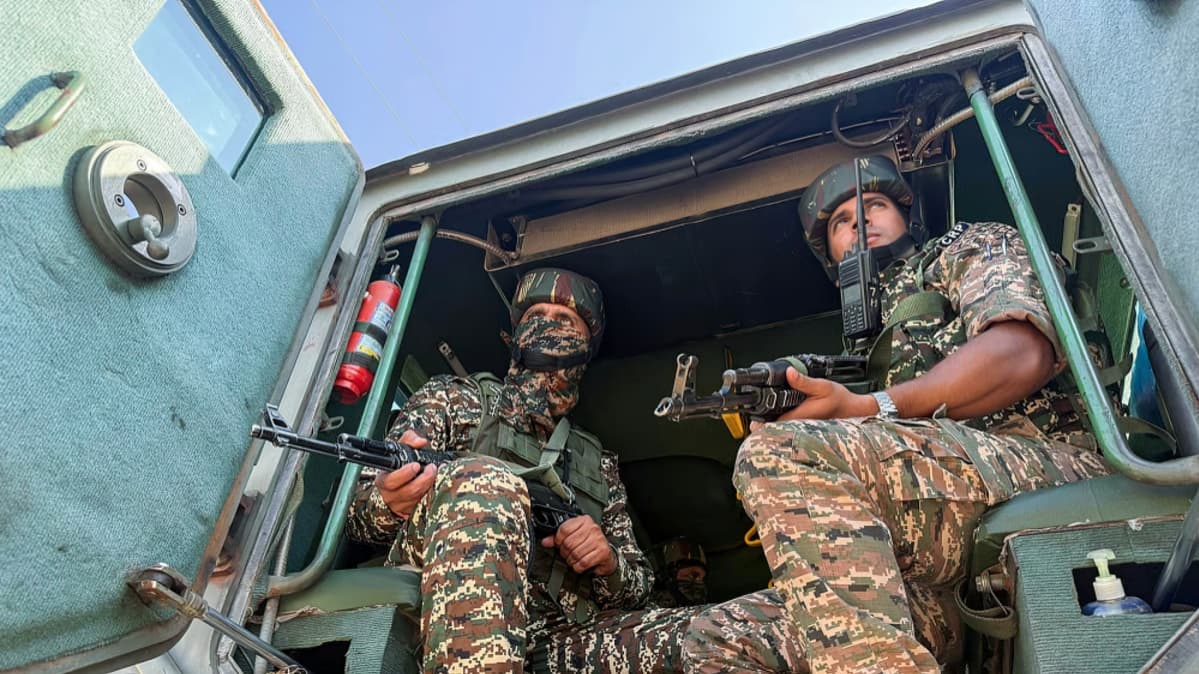
The state government has so far taken a cautious stance. An official spokesman stated that freedom of expression is guaranteed, but warned that any speech inciting communal discord or hatred could invite legal action under the Public Safety Act or the Jammu & Kashmir Prevention of Unlawful Activities Act. Security agencies are reportedly monitoring social media and public meetings for any signs that tensions might escalate.
Cultural experts note that Jammu & Kashmir has historically absorbed influences from Central Asia, Persia, and the Indian heartland, creating a syncretic heritage exemplified in its music, cuisine, and festivals. “Our culture is a living tapestry,” commented a professor of Kashmiri studies. “Every thread—whether local or borrowed—adds richness, not threat.” They urge policymakers to invest in cultural education rather than invoke alarmist narratives.
Analysts caution that the timing of these remarks—coming on the heels of heightened security concerns in the region—could exacerbate existing anxieties. Jammu & Kashmir has faced cycles of unrest for decades, and political rhetoric that frames routine cultural activities as hostile incursions risks feeding into an atmosphere of mistrust. “Words matter, especially here,” observed a security analyst in Srinagar.
As the dialogue unfolds, all eyes are on whether mainstream parties will distance themselves from the rhetoric or adopt a more conciliatory tone. Many are calling for an all-party cultural committee to draft guidelines on public discourse, promote inter-community festivals, and provide grants to traditional artists. Such measures, proponents say, could defuse tension and showcase Jammu & Kashmir,