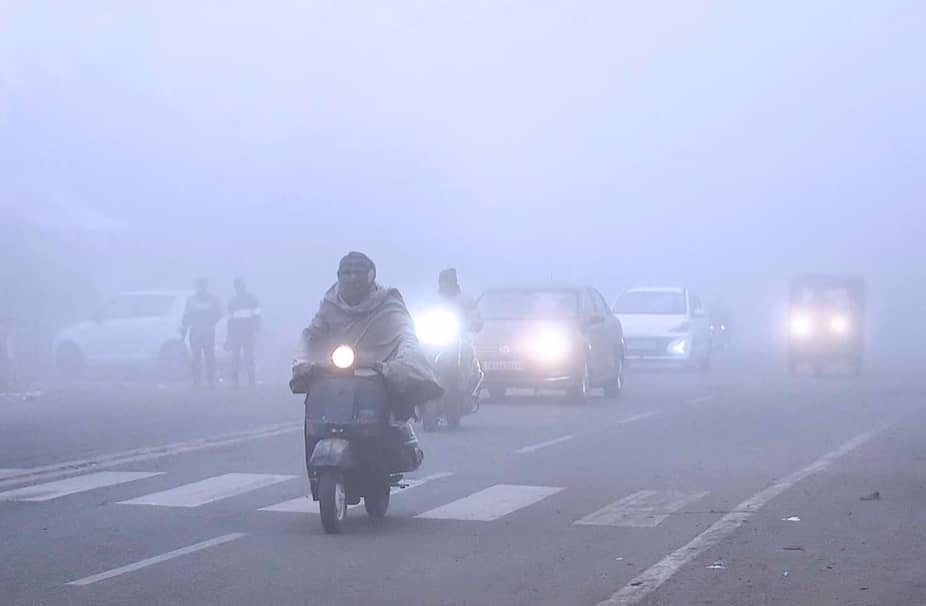
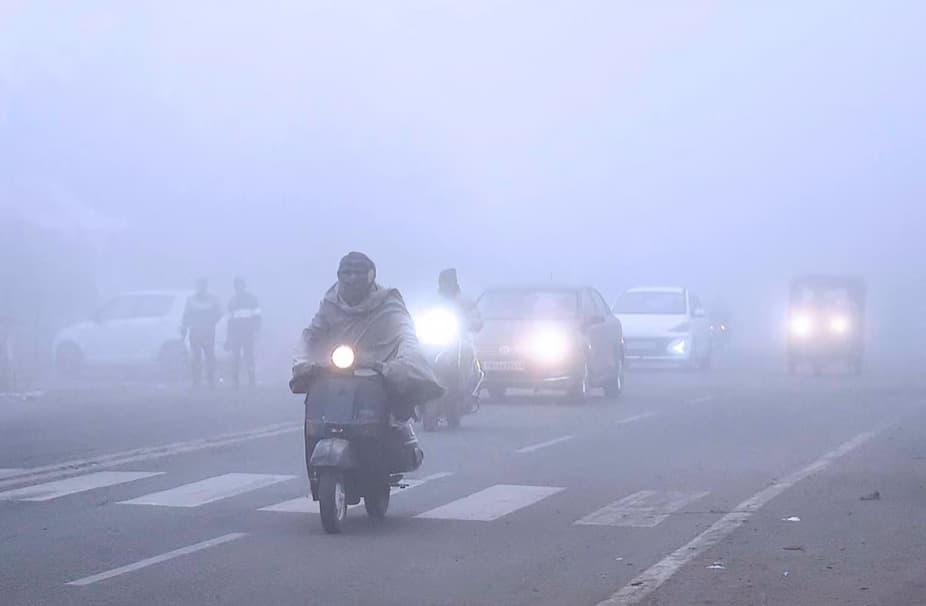
Srinagar, the summer capital of Jammu and Kashmir, is currently facing severe weather conditions as dense fog and sub-zero temperatures disrupt normal life. The meteorological department has reported that temperatures in the city have dropped below zero degrees Celsius, leading to a significant chill that has affected residents and daily activities. The dense fog has drastically reduced visibility on roads, creating hazardous conditions for drivers and pedestrians alike.
Traffic authorities have reported multiple slowdowns and minor accidents on key routes due to low visibility. Commuters are advised to exercise extreme caution while driving and to use fog lights where necessary. Public transportation services are running at reduced speed to ensure passenger safety. The authorities have also requested motorists to avoid unnecessary travel until the weather improves.
Schools and colleges have reported attendance issues as students and staff struggle to reach campuses safely. Offices and government departments are facing operational delays, with many employees opting to work remotely to avoid commuting in the extreme cold and foggy conditions. Local businesses have also seen a drop in footfall as residents remain indoors.
The Srinagar Meteorological Department has forecast that dense fog will continue for the next several days, accompanied by sub-zero temperatures during the night and early morning hours. Residents are advised to take necessary precautions, including wearing adequate warm clothing, avoiding prolonged exposure to the cold, and ensuring proper heating arrangements at homes. Vulnerable populations, such as the elderly and children, are particularly at risk of cold-related health issues.
Health experts have warned that extended exposure to sub-zero temperatures can lead to hypothermia, frostbite, and respiratory complications. Citizens are advised to stay indoors during peak cold hours, maintain proper nutrition, and seek medical attention immediately if symptoms of cold-related ailments appear. Emergency services and hospitals in Srinagar are on alert to respond to cold-related health emergencies.
Tourists visiting Srinagar are also advised to plan travel cautiously, keeping in mind the reduced visibility and extreme cold conditions. Hotels and travel agencies have been asked to inform visitors about the weather conditions and provide safety tips.
In conclusion, Srinagar’s dense fog and freezing temperatures have created challenging conditions for daily life, affecting commuting, education, work, and public services. Authorities and meteorologists continue to monitor the situation closely, issuing advisories and guidelines to minimize risks to residents and visitors. The city’s population is urged to prioritize safety, avoid unnecessary travel, and take all possible precautions to cope with the ongoing severe weather conditions.