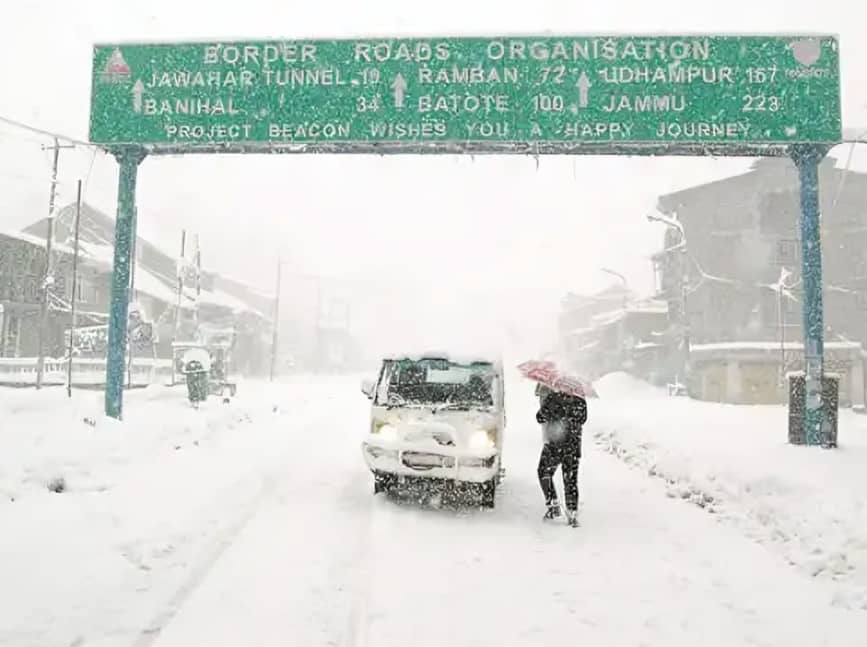
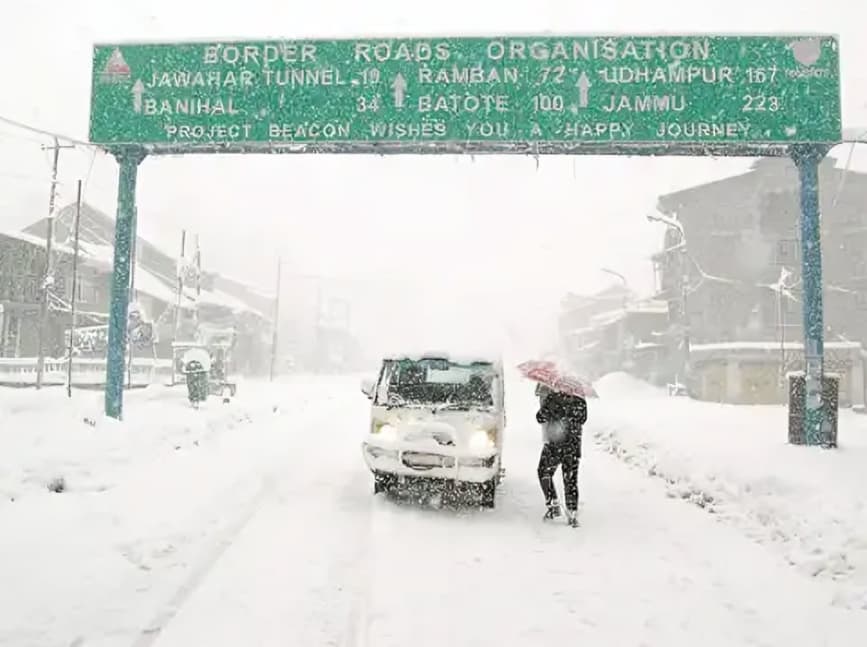
Jammu and Kashmir Valley is currently witnessing an extended spell of dry weather, causing concern among residents and agricultural communities. The lack of rainfall has implications for water resources and winter crops, while tourists in search of snowy landscapes are awaiting the first major snowfall of the season.
Popular destinations such as Gulmarg, Pahalgam, and Sonamarg remain mostly clear, with temperatures dropping during the night but daytime conditions remaining dry. Tourists visiting these areas have expressed both anticipation and concern, as snow enhances the scenic beauty and supports winter tourism activities including skiing, trekking, and other outdoor sports. Local hotels and resorts are preparing for an influx of visitors once snowfall occurs.
Weather officials have advised residents and tourists to stay updated with forecasts, particularly those involved in agriculture or planning travel. The dry spell may reduce the availability of natural water sources, and local authorities are monitoring reservoirs and irrigation channels to ensure adequate water supply. Farmers growing winter crops such as vegetables and grains are particularly affected, and experts are urging efficient water management to mitigate the impact.
Tourism authorities are optimistic that the anticipated snowfall will attract visitors to hill stations and winter resorts, boosting economic activity in the region. Officials emphasized that snow not only improves tourism revenue but also supports local businesses such as handicrafts, hospitality, and transportation services.
While dry conditions persist, meteorologists indicate that Western Disturbances—weather systems that bring winter precipitation—may arrive in the valley in the coming weeks, potentially bringing snowfall at higher altitudes. The timing and intensity of these disturbances will determine the extent of snow coverage in tourist areas and affect winter sports and travel schedules.
Local authorities have also advised caution for travelers, highlighting the need for proper winter gear and preparedness, especially for trekking or visiting higher-altitude destinations. Emergency services and disaster management teams are on alert in case unexpected weather changes occur, including sudden snowstorms or cold waves.
Overall, while the current dry spell has raised concerns about water supply and agriculture, tourists remain hopeful for snowfall that will bring back the region’s iconic winter charm. Officials continue to monitor weather patterns closely to balance public safety, agricultural needs, and tourism opportunities in the valley.