In a bid to ease rising tensions between India and Pakistan, former Jammu and Kashmir Chief Minister Mehbooba Mufti has urged both nations to exercise restraint and engage in dialogue to resolve their differences peacefully. Mufti, who is the leader of the Jammu and Kashmir Peoples Democratic Party (PDP), emphasized that the ongoing conflict between the two countries would only lead to further suffering for the people living along the borders and in the region as a whole.
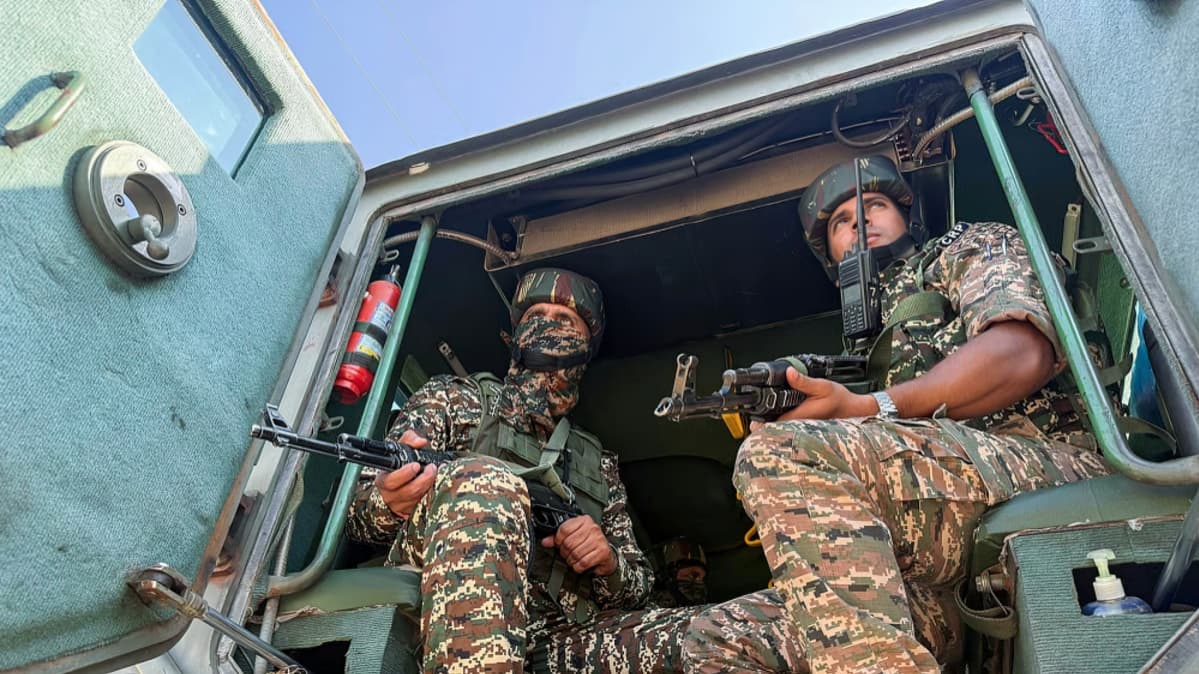
The call for restraint comes amid growing concerns over military confrontations between India and Pakistan, particularly in the Kashmir region, where both nations have frequently clashed over territorial disputes. The situation in Kashmir has remained volatile since the abrogation of Article 370 of the Indian Constitution in August 2019, which revoked Jammu and Kashmir’s special status and led to widespread unrest. Mufti, who has long been an advocate for peace and autonomy for Jammu and Kashmir, expressed her concerns about the continued escalation of tensions in the region.
Speaking to reporters, Mufti said, “Both India and Pakistan must prioritize peace and diplomacy. The lives of ordinary citizens, particularly in Kashmir, are being affected by these ongoing hostilities. The situation is dire, and it is imperative that both countries exercise restraint in order to avoid further escalation.”
She further stated that the leadership of both India and Pakistan must move away from confrontational rhetoric and work towards dialogue, emphasizing that war would not bring about a resolution to the issues at hand. Mufti also noted the importance of international diplomacy, urging the global community to play a role in de-escalating the situation and encouraging both countries to come to the negotiating table.
Mufti’s statement comes at a time when border tensions have been running high, with both India and Pakistan accusing each other of violating ceasefire agreements along the Line of Control (LoC) in Jammu and Kashmir. While both countries have expressed a desire for peace on various occasions, military clashes and retaliatory actions have remained common.
Mufti, who has previously called for greater autonomy for Jammu and Kashmir, also spoke about the human cost of prolonged conflict. She pointed out that the people in the region, especially in Kashmir, have endured years of violence, displacement, and economic hardship. According to Mufti, it is crucial for the people of Jammu and Kashmir to be at the center of any peace process, and their voices should be heard in the ongoing dialogue.
Her comments were met with support from various political figures and civil society groups in Jammu and Kashmir, who have long advocated for peaceful negotiations between India and Pakistan. However, critics of her stance argue that Pakistan’s continued support for militancy in the region complicates the prospects for meaningful peace talks.
As tensions continue to simmer between India and Pakistan, Mehbooba Mufti’s call for restraint serves as a reminder of the importance of diplomacy and dialogue in resolving conflicts. While the path to lasting peace remains uncertain, her comments reflect the broader sentiment that the well-being of the people of the region must remain the priority.