Jammu is facing one of its most devastating natural calamities in recent years as heavy and continuous rainfall has led to severe flooding, landslides, and large-scale destruction across several districts. According to official updates, at least 40 people have been confirmed dead, while several others are missing, injured, or displaced due to the sudden deluge.
The torrential rain, described by experts as unprecedented, began late in the night and continued without pause, causing rivers and streams in the region to swell beyond danger levels. Many low-lying areas were quickly inundated, with homes, shops, and agricultural land submerged under water. In hilly regions, landslides blocked highways and damaged roads, cutting off access to remote villages.
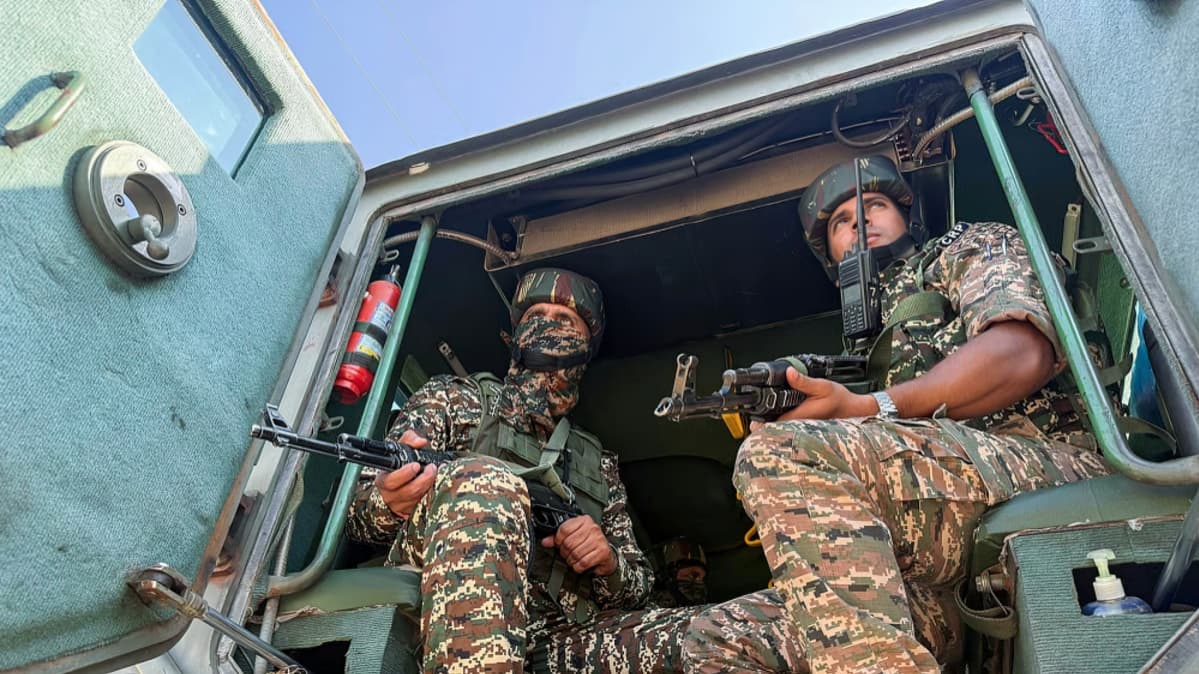
Rescue operations were launched immediately, with the National Disaster Response Force (NDRF), State Disaster Response Force (SDRF), police, and local volunteers working together to evacuate stranded families. Boats and helicopters were deployed in certain areas to rescue people trapped in flooded homes. Relief camps have been set up to provide shelter, food, and medical care to those who lost their homes.
Authorities have issued warnings to residents living near rivers and landslide-prone areas to move to safer locations. Schools, colleges, and offices in severely affected districts have been closed temporarily to ensure public safety. Emergency helplines have also been activated to help citizens report missing family members and seek assistance.
Hospitals in Jammu and nearby towns are working under pressure as the number of injured people is increasing. Doctors and paramedical staff are treating cases ranging from injuries due to collapsed structures to water-borne diseases caused by contaminated water supplies. Clean drinking water and essential medicines are being dispatched to relief camps.
The heavy rainfall has also disrupted transportation and communication networks. Major highways connecting Jammu with other parts of the region have been blocked by landslides, delaying the movement of relief materials. Electricity supply has been interrupted in several areas, leaving many villages in darkness. Authorities are working to restore essential services at the earliest possible time.
Environmental experts have expressed concern about the intensity of the rainfall, linking it to changing weather patterns and the growing impact of climate change in the Himalayan region. They have suggested long-term solutions such as improved drainage systems, flood management plans, and strict regulation of construction in vulnerable zones.
As rescue operations continue, the government has announced compensation for the families of the deceased and assured support for rehabilitation. The focus remains on saving lives, restoring normalcy, and preparing for any further rainfall. For now, Jammu remains on high alert, with authorities monitoring weather conditions closely and urging citizens to cooperate with safety advisories.