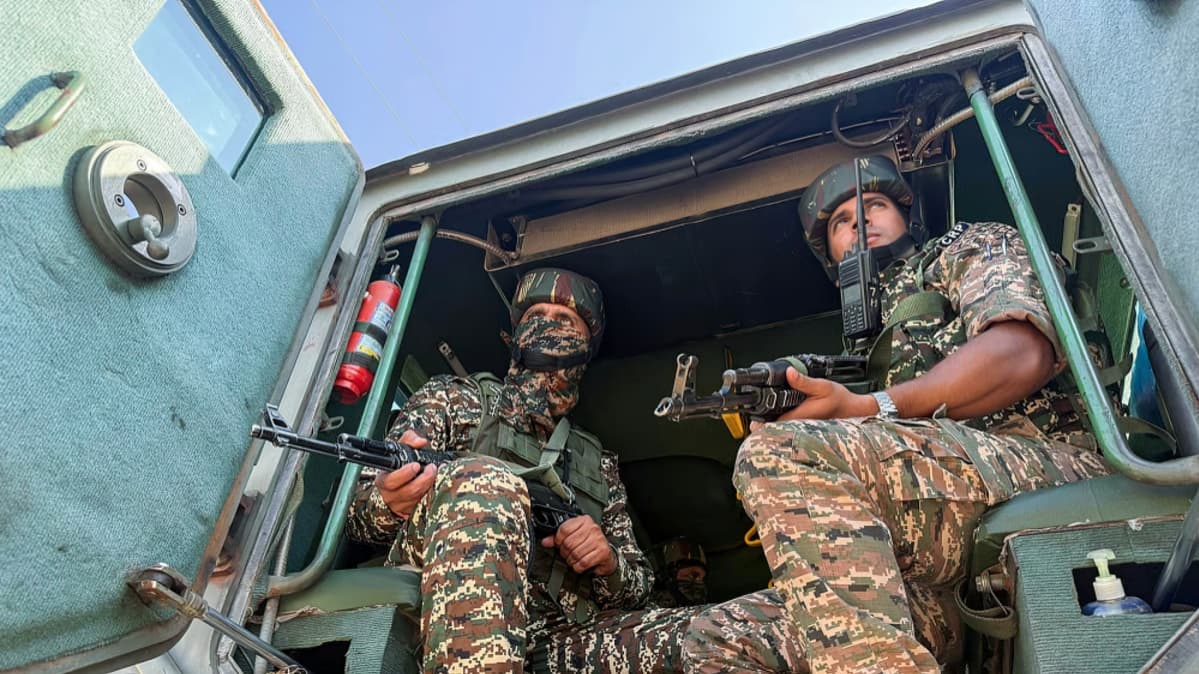
The 2016 surgical strikes in Kashmir remain a landmark event in India’s national security history, showcasing the capability and precision of the armed forces. Conducted along the Line of Control (LoC) in September 2016, these operations targeted terrorist launchpads and infrastructure in response to cross-border infiltration attempts and attacks on Indian forces. The strikes were intended to neutralize imminent threats and send a clear message about India’s resolve to protect its citizens and sovereignty.
India’s military demonstrated meticulous planning and coordination during the surgical strikes. The operation involved elite units who carried out precision attacks on terrorist camps while minimizing collateral damage. The success of the strikes not only eliminated immediate threats but also acted as a deterrent against future cross-border aggression. Strategic experts have emphasized that such measured responses are crucial in ensuring national security while maintaining a balance in international relations.
The strikes had a significant psychological impact on both adversaries and domestic audiences. Within India, they reinforced confidence in the armed forces and the government’s commitment to safeguarding national interests. Across the border, the operations highlighted India’s operational readiness and willingness to act decisively when national security is challenged. This dual effect of operational success and strategic messaging has been recognized as a key element of India’s counter-terrorism and defence strategy.
In the years following the surgical strikes, analysts have noted that these actions contributed to a more stable security environment in the region. Cross-border infiltration attempts decreased, and militant activities along the LoC faced heightened scrutiny and deterrence. The strikes demonstrated that timely, precise, and proportionate military responses could help maintain peace and reinforce security frameworks, particularly in areas prone to instability.
The legacy of the 2016 operations extends beyond immediate tactical gains. They emphasized the importance of intelligence, surveillance, and rapid response in counter-terrorism operations. The strikes also underscored the value of inter-service coordination and careful planning in complex military operations, setting a benchmark for future strategic initiatives.
Moreover, the strikes shaped India’s broader defence posture, reinforcing the role of proactive deterrence in maintaining national security. By acting decisively against threats while managing regional dynamics carefully, India showcased the balance between strength and diplomacy necessary to sustain long-term peace in sensitive areas.
In conclusion, the 2016 surgical strikes in Kashmir exemplify how strategic military strength can secure peace and stability. The operations neutralized imminent threats, deterred cross-border aggression, and strengthened national confidence in India’s security apparatus. They serve as a reminder of the critical role that preparedness, precision, and decisive action play in safeguarding the nation and ensuring lasting stability in conflict-prone regions.