Political parties in Jammu and Kashmir have begun organizing events and activities to mark Martyrs' Day on July 13, a day that holds deep historical and political significance in the region. This year, both ruling and regional parties are preparing comprehensive action plans to commemorate the lives of 22 civilians who were killed by the forces of the Dogra monarchy in 1931 outside the Central Jail in Srinagar while demanding justice and civil rights.
The Jammu and Kashmir National Conference (NC) and the People’s Democratic Party (PDP), both of which have historically recognized Martyrs' Day as a pivotal event, have announced plans to hold tribute ceremonies and public meetings. The Apni Party and People's Conference, among other political entities, have also signaled their intention to participate in remembrance events that emphasize the relevance of the 1931 movement in the broader struggle for democracy and civil liberties in the region.
The Union Territory administration, though silent on whether there will be any official function, has made arrangements to ensure law and order during the events. In past years, the official recognition of Martyrs' Day had been discontinued after the abrogation of Article 370 in 2019, leading to criticism from regional political parties who see the move as an attempt to erase the region’s distinct historical identity.
Speaking to the media, senior leaders from both the National Conference and PDP stated that they will continue to honor the day regardless of the official stance. According to them, the sacrifices made on July 13, 1931, were not only against autocratic rule but also laid the foundation for the political awakening and aspirations of the people of Jammu and Kashmir.
Preparations this year include floral tributes at the Martyrs' Graveyard in Srinagar, remembrance speeches by senior party leaders, and community meetings to educate the younger generation about the significance of the day. Local party units have been instructed to maintain a peaceful environment and coordinate with law enforcement agencies to avoid any disturbances.
Observers believe that this year’s Martyrs' Day will also be politically significant, given the approaching elections and the ongoing debate over the constitutional status of Jammu and Kashmir. Leaders are expected to use the occasion not only to honor the fallen but also to reiterate demands for the restoration of statehood and democratic rights.
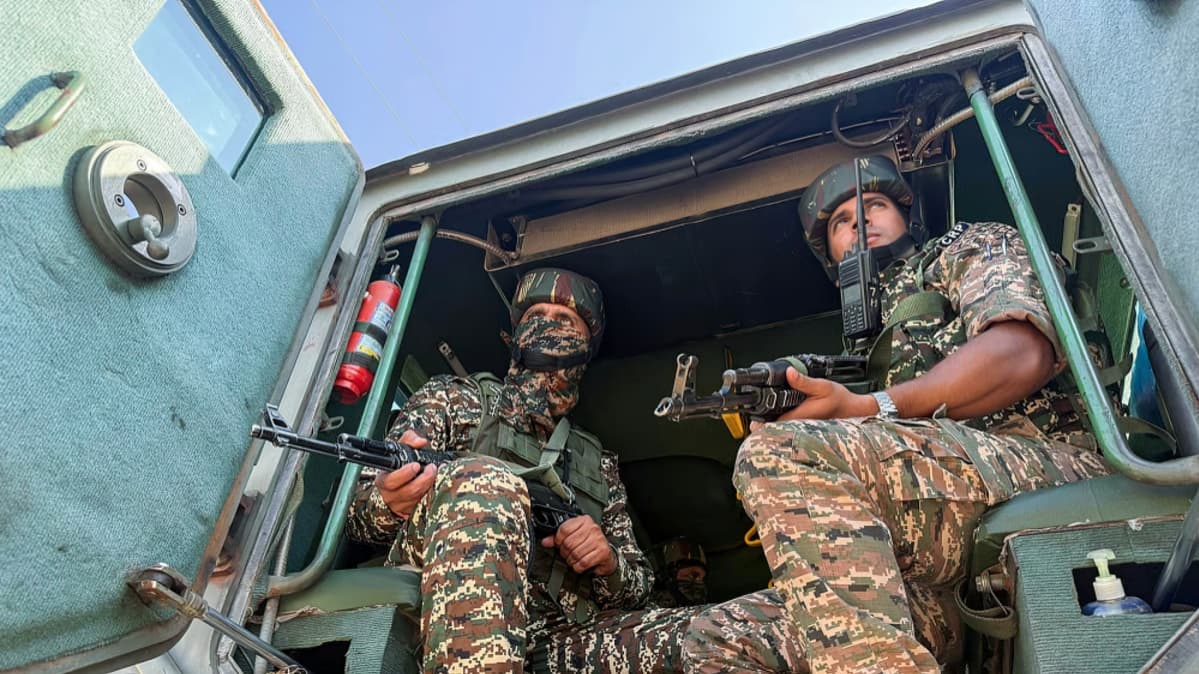
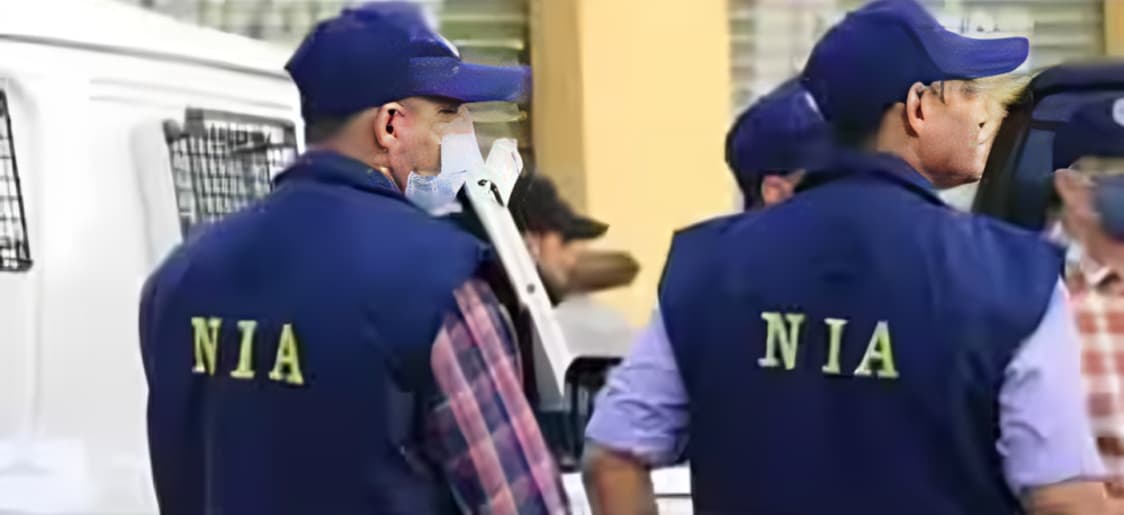
Security arrangements have been intensified across Srinagar and other key areas, with checkpoints, patrols, and surveillance being increased to ensure smooth conduct of the events. Authorities have urged the public to maintain peace and avoid any form of provocation.
While differences remain over the nature and scope of the observance, there is broad agreement among political parties that Martyrs' Day continues to symbolize the enduring struggle for justice and representation in Jammu and Kashmir.