Officials in Jammu and Kashmir have confirmed that sixty cases registered over the years, including some related to stone pelting during protests, have been formally withdrawn. The development is being seen as a significant step in confidence-building and reconciliation efforts in the Union Territory.
Nature of the Cases
According to official sources, the cases withdrawn primarily involve incidents where young individuals were booked during protests and demonstrations. These included minor offences, particularly stone pelting, which became common during periods of unrest in the Valley. Authorities emphasized that none of the cases withdrawn involve heinous crimes, terrorism-related charges, or serious security breaches. Instead, the focus has been on providing relief to first-time offenders and those who had not engaged in repeated unlawful activities.
Confidence-Building Measure
The withdrawal of these cases is being described as part of the government’s broader policy to encourage youth participation in constructive activities and prevent further alienation. Officials stated that by removing the legal burden from first-time offenders, the administration hopes to provide them with an opportunity to reintegrate into society without the stigma of criminal records.
This measure is aligned with past initiatives aimed at offering amnesty in minor protest-related cases. It reflects an attempt to strike a balance between ensuring law and order while also addressing the grievances of families and communities affected by prolonged unrest.
Official Clarification
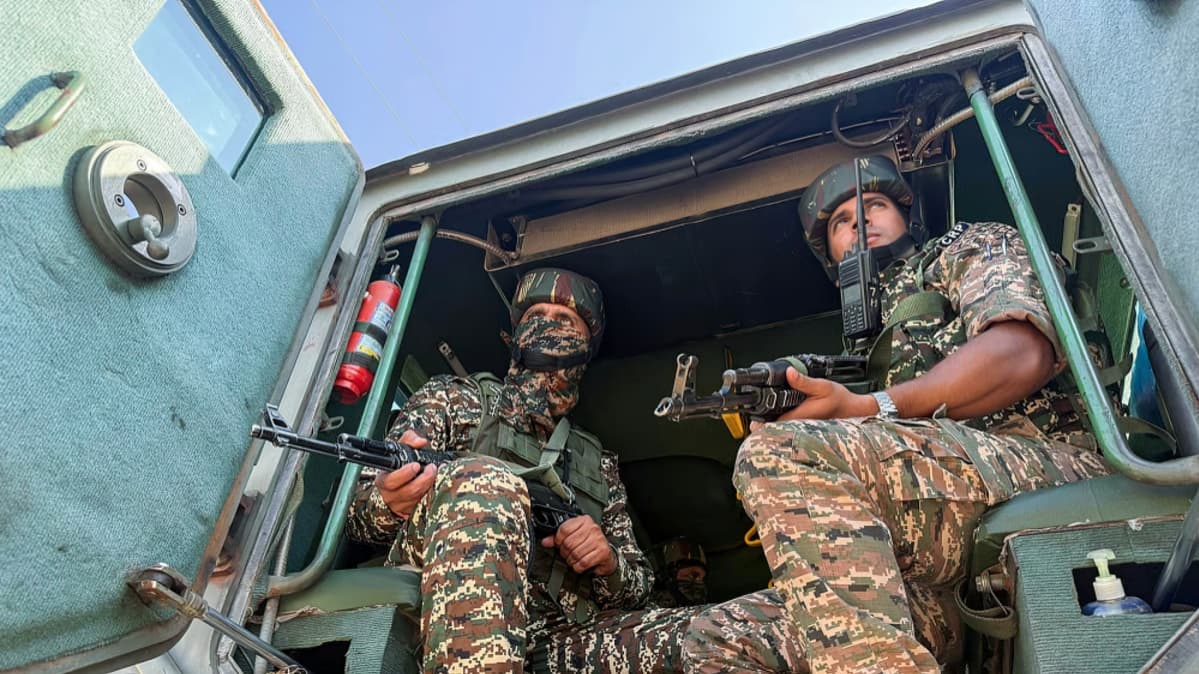
Authorities clarified that while these sixty cases have been withdrawn, strict action will continue against individuals involved in serious offences or activities that directly threaten peace and security. Security forces and law enforcement agencies are expected to remain vigilant in dealing with militant activities or organized violence.
The decision was reportedly taken after careful review and screening by committees tasked with examining the merits of each case. Only those incidents deemed minor, and where rehabilitation was considered possible, were recommended for withdrawal.
Political and Social Reactions
The move has triggered mixed reactions in political circles. Supporters argue that it reflects a humane and practical approach, particularly in dealing with the aspirations of Kashmiri youth. They believe such steps can build trust between the government and local communities, reducing hostility and encouraging peacebuilding.
Critics, however, warn that the withdrawal of cases may set a precedent for leniency and could embolden some groups to resort to disruptive activities again. They argue that the government must ensure that measures to build goodwill are balanced with strong enforcement against those who continue to challenge law and order.
Broader Context
Stone pelting incidents have been a recurring issue in Jammu and Kashmir, particularly during mass protests. Many young individuals, some still students, found themselves entangled in legal proceedings after participating in demonstrations. Over the years, both state and central governments have intermittently announced withdrawal of cases to defuse tensions and engage communities.
Conclusion
The withdrawal of sixty cases, including those connected to stone pelting, marks another effort by the administration to create space for reconciliation and stability in Jammu and Kashmir. While the step offers relief to affected families and encourages youth to focus on positive futures, it also raises questions about long-term strategies for peace and governance in the region. The success of such measures will depend on how effectively they are combined with security initiatives and opportunities for development.