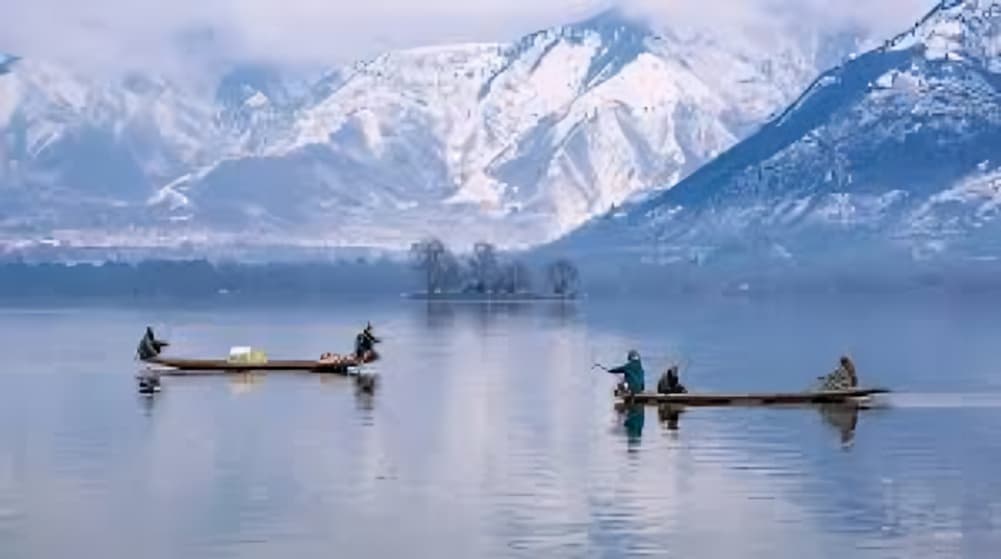
Srinagar observed International Mountain Day with a renewed focus on glacier conservation and sustainable eco tourism, highlighting the growing environmental challenges faced by mountain regions in Jammu and Kashmir. The event brought together environmental experts, academics, policymakers, and tourism stakeholders to discuss strategies for protecting fragile ecosystems while promoting responsible development.
International Mountain Day, observed annually on December 11, aims to raise awareness about the importance of mountains to ecosystems and human societies. In Srinagar, discussions centered on the rapid retreat of glaciers in the Himalayan region and the long-term implications for water availability, agriculture, and biodiversity. Experts warned that rising temperatures and changing weather patterns are accelerating glacier melt, posing risks to downstream communities that depend on glacial water sources.
Researchers presented findings on the condition of key glaciers in the region, noting changes in snow cover and ice mass over recent decades. They stressed the importance of scientific monitoring and data-driven policies to address climate-related risks. Participants also highlighted the need for collaboration between research institutions, government agencies, and local communities to strengthen conservation efforts.
Eco tourism was another major theme of the observance. Speakers emphasized that tourism, if managed sustainably, can support local economies while minimizing environmental damage. Responsible tourism practices such as limiting waste, regulating footfall in sensitive areas, and promoting community-based tourism models were discussed as ways to balance economic growth with environmental protection.
Officials from the tourism department stated that initiatives are being developed to encourage environmentally friendly tourism in mountain areas. These include awareness campaigns for visitors, training programs for local guides, and infrastructure planning that prioritizes sustainability. The role of local communities was highlighted as central to successful eco tourism, as residents possess traditional knowledge of the landscape and ecosystems.
Educational institutions and environmental organizations also took part in the observance, organizing seminars and interactive sessions for students. These activities aimed to foster awareness among young people about the importance of mountain conservation and climate action. Participants noted that engaging youth is critical for ensuring long-term environmental stewardship.
The discussions in Srinagar reflected broader concerns shared by mountain regions across the world. Mountains provide freshwater to billions of people, support rich biodiversity, and play a key role in regulating the global climate. However, they are among the most vulnerable environments to climate change and unsustainable development.
As Srinagar marked International Mountain Day, speakers called for sustained policy attention, increased research investment, and public participation to protect mountain ecosystems. The event concluded with a consensus on the need to integrate conservation goals with development planning to ensure that mountain regions remain resilient and productive for future generations.