Omar Abdullah Government Faces Internal Dissent as Srinagar MP Aga Ruhullah Mehdi Announces Resignation
The government led by Jammu and Kashmir Chief Minister Omar Abdullah is facing growing internal dissatisfaction within the ruling National Conference following its recent cabinet expansion. Several legislators are reportedly unhappy with the developments and have raised concerns about the party's internal functioning. Some members are seeking greater democracy within the organisation and have reportedly called for the resignation of the entire cabinet.
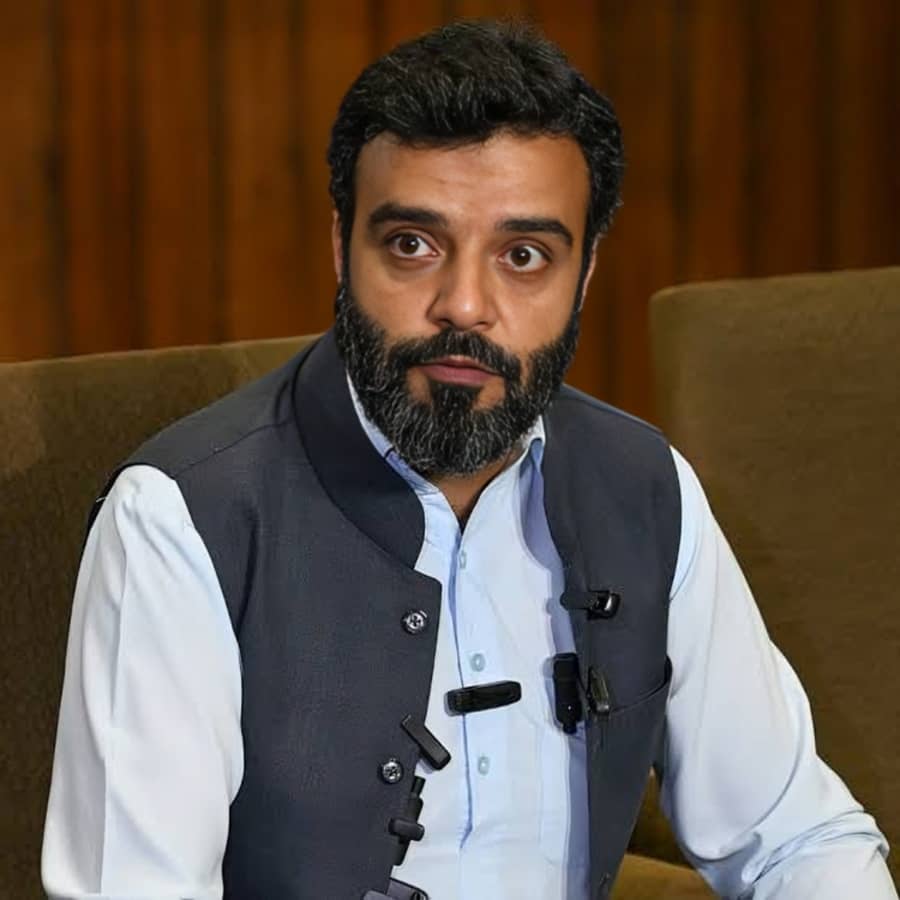
The political situation has become more significant after Srinagar Member of Parliament Aga Ruhullah Mehdi announced that he would resign from the National Conference and surrender his Lok Sabha seat on November 3, 2026. His announcement has added to the pressure on the party leadership at a time when questions are being raised about its political decisions and election commitments.
Mehdi announced his decision through a post on social media platform X. In his statement, he strongly criticised the party leadership and expressed dissatisfaction with the way the government had handled its promises to the people of Jammu and Kashmir.
He accused the party leadership of treating the region as a family-controlled political establishment. According to Mehdi, the leadership expected people to support the party during elections but did not give sufficient importance to their expectations after coming to power.
He also criticised what he described as a lack of accountability within the party. Mehdi argued that political leaders should be answerable to the people for the promises made during election campaigns. He said that the public should not be expected to accept explanations when important commitments remain unfulfilled.
One of the major issues highlighted in his statement was the restoration of Article 370. The National Conference had made the restoration of Jammu and Kashmir's special status an important part of its political position. Mehdi expressed disappointment over what he described as the government's failure to fulfil this commitment.
He also referred to promises concerning the release of prisoners and the protection of the rights of people in Jammu and Kashmir. According to Mehdi, these issues were important commitments made to voters during the election campaign. He alleged that the party sought public support based on these promises but had not taken sufficient steps to fulfil them after forming the government.
Mehdi said that he did not want to remain associated with what he considered a betrayal of public expectations. He maintained that continuing in the party would make him part of a political situation that he could no longer support.
He further stated that he would surrender his parliamentary seat rather than continue as a representative without fulfilling the promises made to the people. His decision to resign from both the party and the Lok Sabha is expected to create further political discussion in Jammu and Kashmir.
The internal dissatisfaction within the National Conference is also connected to the recent expansion of Omar Abdullah's cabinet. Reports suggest that some legislators are unhappy with the decisions taken during the expansion and want changes in the way the party functions.
The demand for greater internal democracy reflects concerns about the distribution of political responsibilities and the involvement of party members in important decisions. Some legislators reportedly believe that the leadership should consult elected representatives more effectively before taking major organisational and administrative decisions.
The reported demand for the resignation of the entire cabinet indicates the seriousness of the dissatisfaction among certain party members. However, the exact number of legislators involved and the formal position of the party leadership have not been established in the information provided.
Omar Abdullah became Chief Minister of Jammu and Kashmir following the formation of the National Conference-led government after the 2024 Assembly elections. The government has faced several political and administrative challenges, including demands related to the restoration of statehood and the region's political rights.
The National Conference's electoral campaign included important commitments concerning the political future of Jammu and Kashmir. These promises continue to be a major subject of public and political debate. Mehdi's criticism has brought renewed attention to the gap between the party's election commitments and the expectations of some of its supporters and representatives.
His announcement is particularly important because he represents Srinagar in the Lok Sabha. If he formally resigns from the parliamentary seat on November 3, the seat would become vacant, subject to the completion and acceptance of the required parliamentary procedures. Any subsequent by-election process would be handled according to the applicable election rules.
The development could also affect the political relationship between the National Conference leadership and sections of its supporters. The party will need to respond to the criticism and address concerns raised by its legislators and elected representatives.
For now, the National Conference is facing two related political challenges: reported dissatisfaction among some legislators following the cabinet expansion and the announced resignation of Srinagar MP Aga Ruhullah Mehdi. His criticism of the party's position on Article 370, prisoner releases and people's rights has intensified the debate over the government's election promises.
The next few days will be important for the party as November 3 approaches. Mehdi's formal decision, the response from the National Conference leadership and any further developments within the ruling party are likely to shape the political situation in Jammu and Kashmir.