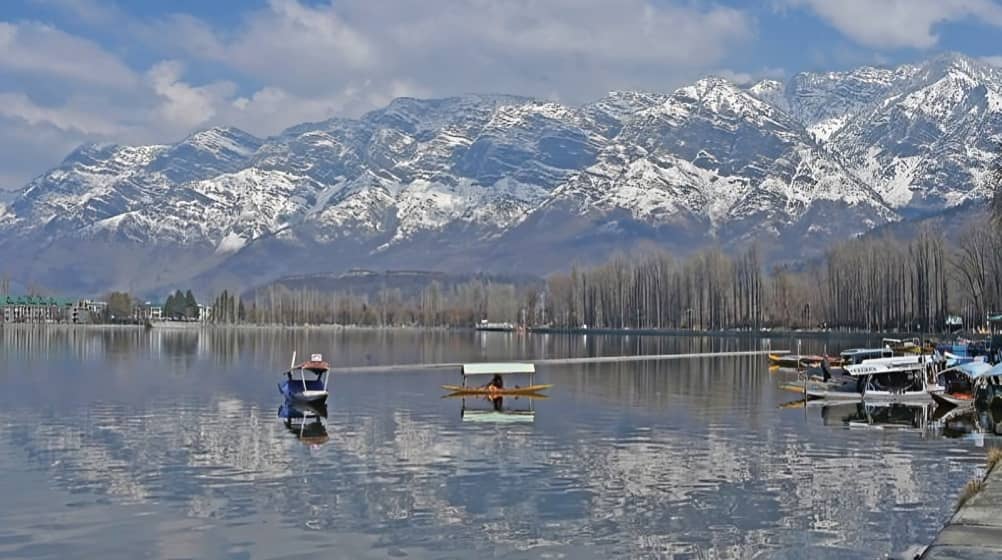
Srinagar, Jammu and Kashmir — The summer capital of the Union Territory is experiencing an extraordinary rise in temperatures for the month of February as the mercury climbed to 21°C, making it the highest ever recorded in over a century of documented weather observations, according to the Meteorological Department and independent weather forecasters. This unprecedented February heatwave is significantly above the long‑term average for the region, marking a deviation that is drawing attention from climate experts, environmentalists, farmers and residents alike.
Officials from the India Meteorological Department (IMD) have confirmed that Srinagar’s daytime high of 21°C surpasses previous February records, breaking the earlier benchmark of around 20.6°C set in February 2016. The spike has been observed amid unusually dry weather, with few Western Disturbances — weather systems that normally bring winter precipitation to the Himalayas — influencing the region this season. As a result, the valley is experiencing prolonged warmth and minimal snowfall or rain in recent weeks.
The current warm spell is not limited to Srinagar alone. Other locations across the Kashmir Valley and neighbouring areas have also recorded unusually high temperatures for this time of year, with several stations reporting maximum temperatures well above historical norms. Experts note that such anomalies are rare in late winter, and the lack of cooling weather systems has sustained these higher readings.
Meteorologists attribute this weather pattern primarily to the absence of wet weather influences and a prevailing dry atmosphere that allows for stronger daytime heating. Forecasts from the IMD suggest that temperatures may remain elevated or increase slightly over the next few days, as no substantial rain or snowfall events are currently expected. This extended dry spell could have ripple effects on local water resources.
Concerns are mounting among environmental authorities and planners about the possibility of a water crisis in parts of Jammu and Kashmir if the dry conditions continue. Water levels in natural reservoirs, rivers and streams are already below average for this season, and agricultural lands could experience stress without replenishing moisture. Local farmers have expressed worry over early crop cycles and disrupted seasonal patterns, which might affect sowing plans and yield expectations.
In addition to agricultural impacts, residents are reporting earlier than usual flowering of trees and plants, reflecting a shift toward warmer conditions that resemble early spring rather than late winter. Environmental scientists warn that such early phenological changes may disrupt ecological patterns and could be indicative of broader climatic shifts affecting the Himalayan region over time.
Government agencies are advising citizens to stay informed about possible weather developments and water management advisories. Authorities are urging residents to conserve water and follow guidance from local water supply departments to prepare for potential shortages in the coming weeks if normal precipitation does not resume.
This unusual temperature event in Srinagar has drawn national attention and highlights the complexities of regional weather patterns in the Himalayas. While short‑term extremes can occur, continued monitoring and adaptive planning will be crucial for communities and policymakers faced with these evolving climatic conditions.