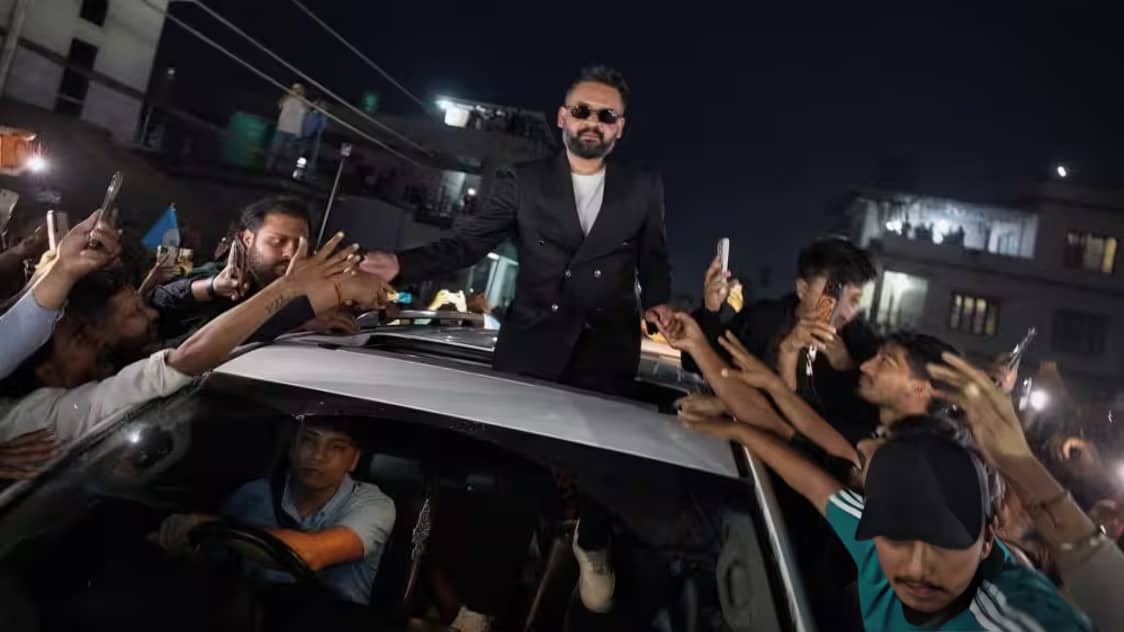
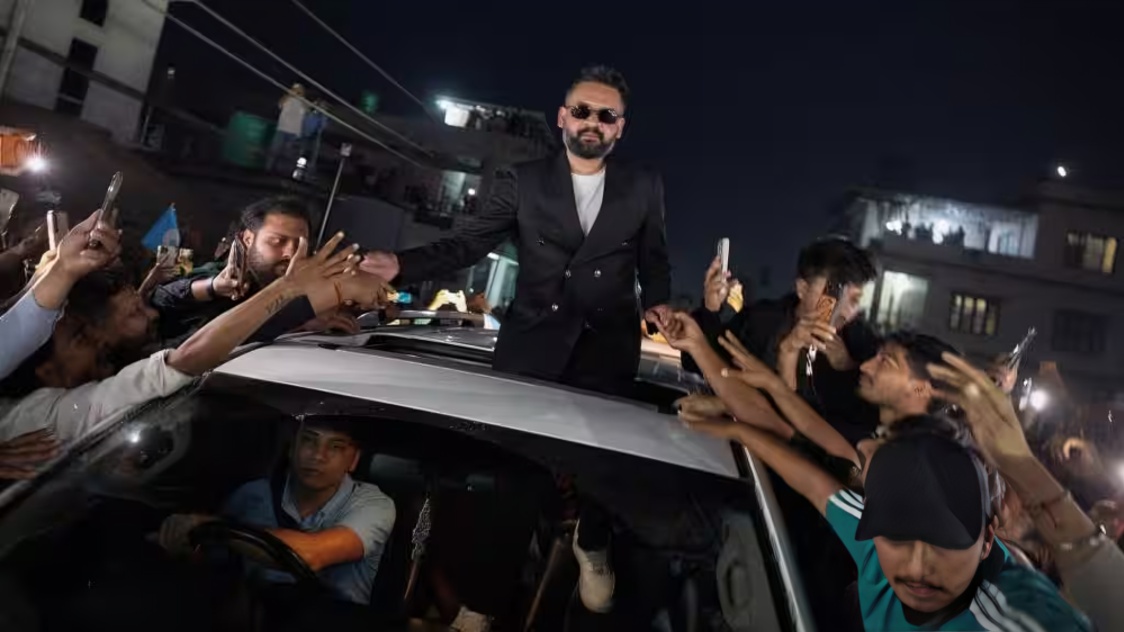
Nepal Prime Minister Balendra Balen Shah is facing a growing political challenge just 150 days after taking office. The former Kathmandu mayor and rapper entered national politics with strong support from younger voters and a promise to bring change to Nepal’s political system.
Shah became Prime Minister on March 27, 2026, after his Rastriya Swatantra Party secured 182 of the 275 seats in the House of Representatives in the March parliamentary election. His victory represented a major shift away from Nepal’s traditional political parties and gave his government a strong parliamentary majority.
However, the political momentum surrounding Shah has weakened considerably in the first five months of his administration. Public protests, criticism from opposition lawmakers and disagreements within his own party have created new challenges for the Prime Minister.
One of the most visible concerns has been Shah’s limited participation in Parliament. According to reports, he attended only five of the first 39 sittings of the House after taking office. His absence became a major issue for opposition lawmakers, who repeatedly demanded that the Prime Minister appear before Parliament and answer questions concerning his government and various national issues.
The issue eventually led Speaker Dol Prasad Aryal to direct Shah to appear before the House and participate in a question and answer session. The Prime Minister has been ordered to face lawmakers on August 26.
Opposition lawmakers had also maintained a prolonged protest inside Parliament over the Prime Minister’s absence. The protest reportedly continued for 78 days before the Speaker ruled that Shah should attend the House and respond to lawmakers’ questions.
Street protests have created another challenge for the government. The same young generation that played an important role in the political movement that brought Shah to power has begun expressing dissatisfaction with his government.
According to reports, young protesters returned to Kathmandu’s Maitighar Mandala and demanded accountability and changes in government policies. The protests reflected growing frustration over governance issues and expectations that the new government would deliver rapid reforms.
Several controversies have contributed to the political pressure facing Shah.
One major issue involved the enforcement of customs rules on goods purchased across Nepal’s open border with India. The government’s decision affected people who depend on Indian markets for groceries, medicines and household goods. Public protests followed, and the government later relaxed the enforcement measures.
Another controversy involved Nepal’s border dispute with India. Comments attributed to Shah regarding the Nepal India border generated criticism from opposition groups and triggered a political debate over Nepal’s foreign policy and territorial claims.
The issue became particularly sensitive because relations with India are an important part of Nepal’s foreign policy. The controversy added pressure on the government at a time when Shah was already facing criticism over his domestic policies.
Governance-related controversies also affected the government’s public image. In July, the death of ride-share driver Ganesh Nepali following a dispute involving municipal authorities triggered demonstrations and renewed criticism of enforcement measures affecting informal workers and residents.
The government subsequently faced criticism over the handling of informal settlements and landless squatters. These issues added to concerns among sections of the population that the new administration had not fully delivered on its promises of responsive and accountable governance.
Political pressure has also emerged within Shah’s own Rastriya Swatantra Party. Reports have pointed to differences between Shah and party chairman Rabi Lamichhane.
The relationship between the two leaders is important because the Rastriya Swatantra Party is the ruling political force in Nepal. Reports have described disagreements over party functioning, government administration and the division of responsibilities between the Prime Minister and the party leadership.
The two leaders have held discussions on government performance and party affairs amid growing criticism. However, RSP representatives have also said that regular discussions between senior leaders should not automatically be interpreted as evidence of a serious internal crisis.
The reported differences nevertheless highlight the challenge of managing a new political organisation that has moved rapidly from opposition politics to government.
Shah’s political rise has been unusually fast. Before entering national politics, he became widely known as a rapper and later served as mayor of Kathmandu. His reputation as an outsider helped him connect with young voters who were frustrated with Nepal’s traditional political establishment.
His political style was built around direct communication, criticism of established parties and promises of administrative reform. That approach helped him gain popularity, but governing a country requires negotiations with Parliament, political allies, government officials and other institutions.
This transition from outsider politics to government has become one of the major tests of Shah’s leadership.
The Rastriya Swatantra Party’s strong electoral performance initially gave Shah considerable political authority. The party won 182 seats in the 275-member House of Representatives, giving it a clear majority. However, the party does not hold seats in Nepal’s National Assembly, meaning the government still needs to engage with other political forces on certain legislative matters.
The government also faces economic and social challenges. Nepal continues to depend heavily on remittances from citizens working abroad, while the return of migrant workers and the need to create employment opportunities at home remain important policy issues.
Foreign policy is another area requiring careful management. Nepal has to balance its relations with India and China while maintaining its independent foreign policy position.
Against this background, Shah’s first 150 days have highlighted the difference between electoral popularity and the practical challenges of governing.
The Prime Minister still has a strong parliamentary mandate, and the Rastriya Swatantra Party remains the largest political force in the House. Therefore, the current challenges do not automatically mean that his government is in danger of losing power.
However, the combination of street protests, parliamentary criticism and internal party disagreements has created a difficult political environment for the Prime Minister.
The upcoming parliamentary appearance on August 26 will be closely watched because Shah is expected to respond directly to questions from lawmakers. His response could provide an indication of how his government intends to address criticism over his parliamentary participation and other controversial issues.
The government’s ability to respond effectively to public concerns will also be important in determining whether Shah can rebuild the political momentum that brought him to office.
For the younger voters who supported him, expectations remain high. Many expected a significant break from Nepal’s traditional political culture and faster action on corruption, governance and economic opportunities.
The challenge for Shah is now to convert that public mandate into effective administration and maintain confidence among voters, lawmakers and members of his own party.
At present, there has been no confirmed announcement that Shah is stepping down as Prime Minister or that his government is facing an immediate loss of its parliamentary majority. The developments instead indicate growing political pressure during the early phase of his administration.
The situation also demonstrates how quickly public expectations can change following a major electoral victory. Shah entered office as a symbol of political change, but his government is now being judged on its ability to manage institutions, respond to public concerns and maintain unity within the ruling party.
The next phase of his government will therefore be important. How Shah responds to Parliament, addresses street protests and manages relations within the Rastriya Swatantra Party could determine whether he can maintain the strong political support that brought him to power.
For now, Nepal’s Prime Minister remains in office with a substantial parliamentary mandate, but his first 150 days have demonstrated that political popularity alone cannot eliminate the complex challenges of governing the country