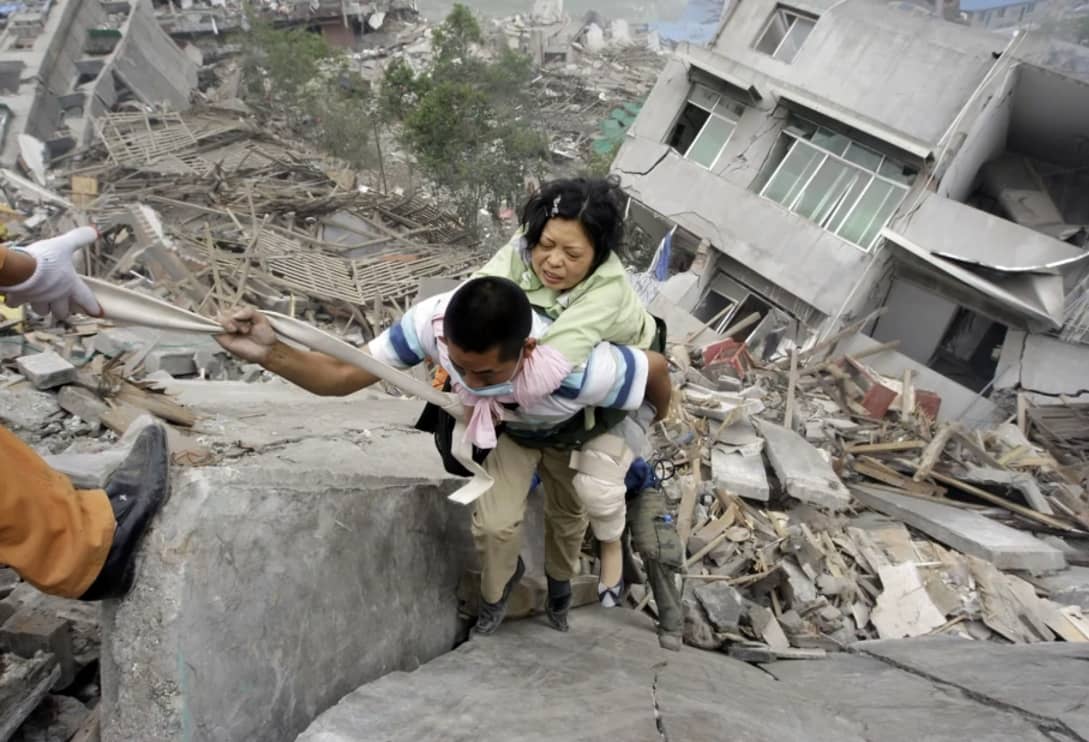
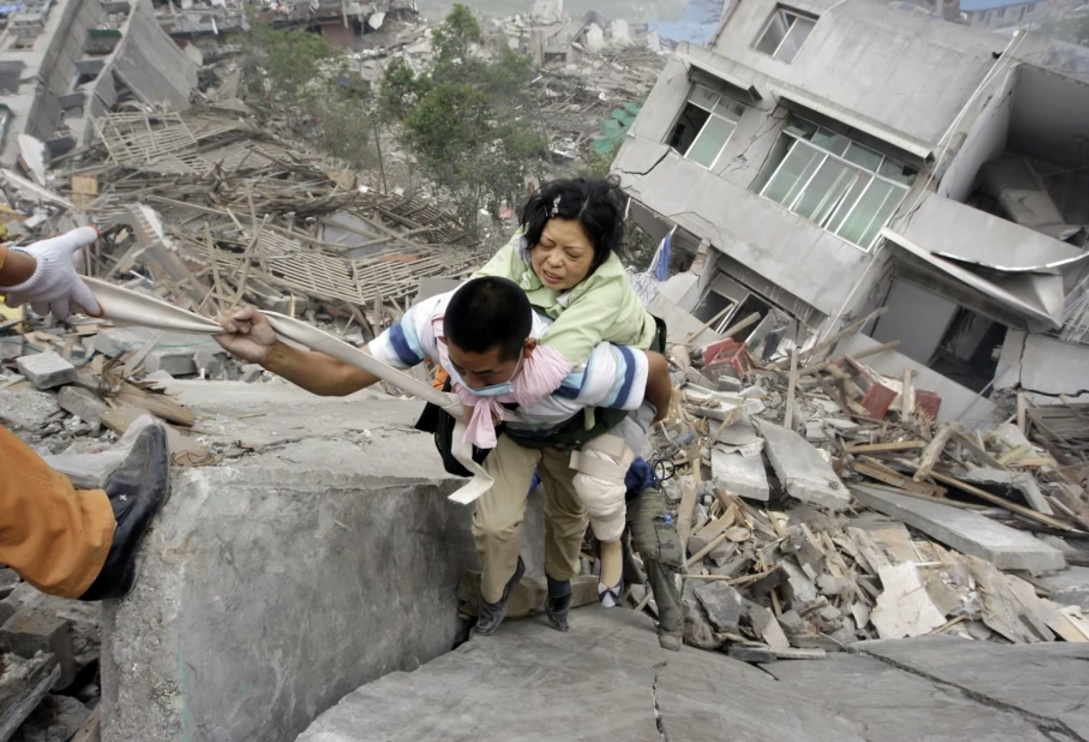
A magnitude 5.1 earthquake was reported in China’s Sichuan province on Friday, according to reports citing the China Earthquake Networks Center. The tremor was reported in Longchang City in Neijiang, Sichuan, bringing attention to seismic activity in China at a time when a separate natural disaster is unfolding along the Nepal China border.
The earthquake occurred as Nepal continues to face one of its most serious recent flood disasters. Catastrophic flash floods struck northern Nepal and neighbouring Tibet earlier this week, leaving hundreds dead and many others missing.
According to Nepal Police, the death toll from the floods had reached 469 as of Friday. Search and rescue teams continue to operate across several districts, while hundreds of people remain unaccounted for. The disaster caused widespread destruction to homes, roads, bridges and other critical infrastructure.
The flood disaster also affected areas on the Chinese side of the Himalayan border. Chinese authorities have reported three deaths and hundreds of missing people in Tibet. The combined toll from Nepal and Tibet has therefore crossed 470 deaths, although the numbers remain subject to change as rescue teams continue their work and authorities verify information.
The 5.1 magnitude earthquake in Sichuan is a separate geological event from the Nepal flood disaster. There is currently no confirmed evidence that the Sichuan earthquake caused or triggered the flooding in Nepal.
This distinction is important because early reports about the Nepal disaster included references to seismic activity near the Nepal China border. However, subsequent analysis indicated that the catastrophic flood was associated with a glacial collapse and debris flow rather than a conventional earthquake.
The US Geological Survey and other scientific assessments have indicated that the event near the Nepal China border was associated with a large glacier collapse and debris flow. The collapse generated a powerful surge of water, ice, rock and sediment that entered river systems and moved rapidly downstream.
The disaster particularly affected Nepal’s Rasuwa district and areas along the Bhote Koshi and Trishuli river systems. The floodwaters carried enormous quantities of mud, rocks and debris, damaging settlements and transportation infrastructure.
The Trishuli River experienced an extremely rapid rise in water levels. Reports indicate that water levels increased by several metres within a short period, leaving communities with very little time to respond.
The scale of destruction has made rescue operations extremely difficult. Roads and bridges have been damaged or destroyed, while some mountainous communities have been cut off. Nepalese authorities have deployed security personnel, helicopters and emergency teams to search for survivors and recover those still missing.
The flood has also affected foreign nationals who were in the region for tourism, trekking, work and religious travel. According to international reports, hundreds of foreigners remain missing or unaccounted for.
India has also been monitoring the situation because river systems originating in Nepal flow into northern India. The Trishuli eventually connects with the Narayani system, which enters India and is known as the Gandak. Authorities in parts of northern India have therefore been monitoring river levels and potential downstream risks.
The situation remains particularly sensitive because authorities have warned about the possibility of additional flooding. A landslide created a barrier lake near the Nepal China border, and the lake has been reported to be overflowing. This has created concerns about another surge of water and debris in downstream areas.
Chinese authorities have taken precautionary measures in areas threatened by the additional water flow. Rescue operations near some locations have been disrupted because of concerns about the safety of emergency personnel.
The potential for additional flooding has added another challenge to rescue operations. Teams already working in difficult mountainous terrain must balance the need to search for missing people with the risk of further flooding and landslides.
The disaster has also renewed discussion about the vulnerability of Himalayan communities to extreme weather and glacier related hazards. The Himalayan region contains numerous glaciers and glacial lakes, many of which are located in steep and unstable terrain.
Scientists have increasingly focused on the effects of rising temperatures on glaciers and mountain ecosystems. Glacier retreat and unstable ice and rock formations can increase the risk of sudden floods, landslides and avalanches.
However, experts caution that determining the precise causes of an individual disaster requires detailed scientific analysis. It is therefore important to distinguish confirmed findings from preliminary explanations when reporting on such events.
The Sichuan earthquake adds another natural hazard to the broader regional picture, although there is no established connection between the earthquake and the Nepal floods.
Sichuan is one of China's seismically active regions and has experienced significant earthquakes in the past. Authorities typically monitor earthquakes for possible aftershocks and assess potential damage following a tremor.
Initial reports about the 5.1 magnitude earthquake did not indicate major casualties or widespread damage. Further information may emerge as local authorities inspect affected areas and assess buildings and infrastructure.
Meanwhile, the situation in Nepal remains the primary humanitarian concern. Rescue workers are continuing to search for missing people, while emergency authorities are providing medical assistance, shelter and other essential support to affected communities.
Nepal Police reported that hundreds of bodies had been recovered from different districts as search operations expanded downstream. Bodies have been found far from the original flood zone because the powerful water currents carried people and debris along the river system.
The disaster has also caused significant economic and infrastructure damage. Roads, bridges, hydropower facilities and other installations have been affected, making transportation and communication more difficult.
For communities in remote mountain regions, the destruction of roads and bridges can have serious consequences because these routes are often the primary connection to hospitals, markets and emergency services.
The Nepal government and security agencies have mobilised resources for rescue and relief operations. Helicopters have been used to reach areas that are inaccessible by road, while emergency teams continue to search rivers and damaged settlements.
International concern has also increased because people from numerous countries were in the affected region. Governments and diplomatic missions have been working with Nepalese authorities to verify the status of missing nationals and assist survivors.
The disaster has highlighted the importance of early warning systems in Himalayan regions. Sudden glacier collapses and debris flows can occur rapidly, leaving communities with limited time to evacuate.
Experts have stressed that monitoring glaciers, river levels and unstable mountain formations can help authorities identify potential risks. Evacuation plans and communication systems can also reduce the impact of future disasters.
At present, the 5.1 magnitude earthquake in Sichuan and the catastrophic Nepal floods should be reported as separate natural events. While both involve geological or environmental hazards in the broader Himalayan and Asian region, no verified evidence currently establishes a direct connection between them.
The immediate focus in Nepal and Tibet remains on rescue operations, identifying missing people, treating the injured and protecting communities from additional flooding.
The death toll is expected to change as search operations continue. Authorities are also working to verify information about missing residents, tourists, workers and pilgrims.
The Sichuan earthquake will likewise continue to be assessed by Chinese authorities for possible damage and aftershocks.
Together, the two developments underline the continuing exposure of parts of Asia to natural hazards, but they represent different events with different causes.
For news reporting, the most important verified facts are that a 5.1 magnitude earthquake was reported in China's Sichuan province and that a separate catastrophic flash flood disaster along the Nepal Tibet border has caused hundreds of deaths and widespread destruction.
As rescue teams continue their operations in Nepal and Tibet, authorities remain alert to the possibility of further flooding from unstable water bodies and debris blocked river channels. The coming days will be important for rescue efforts, damage assessment and the safety of communities living downstream.