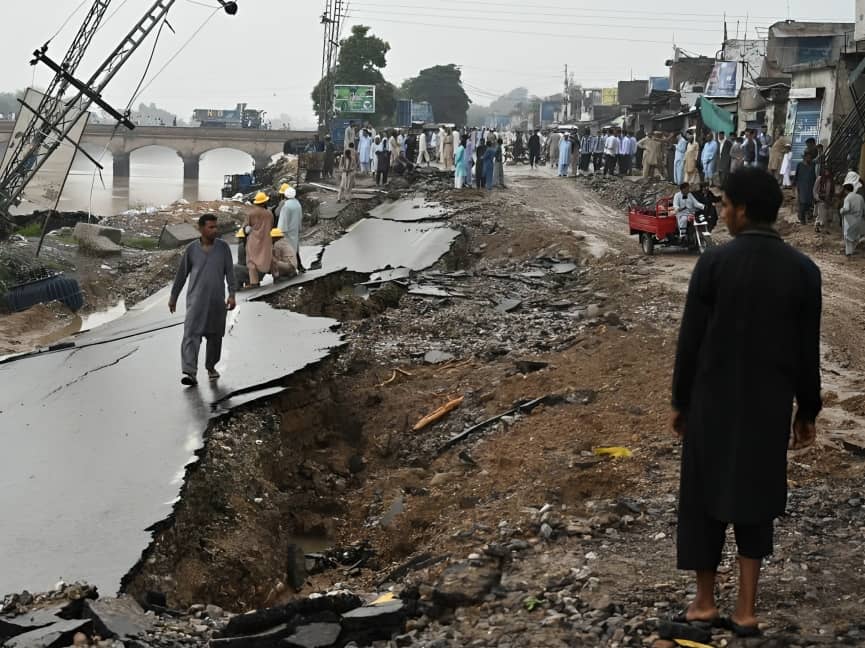
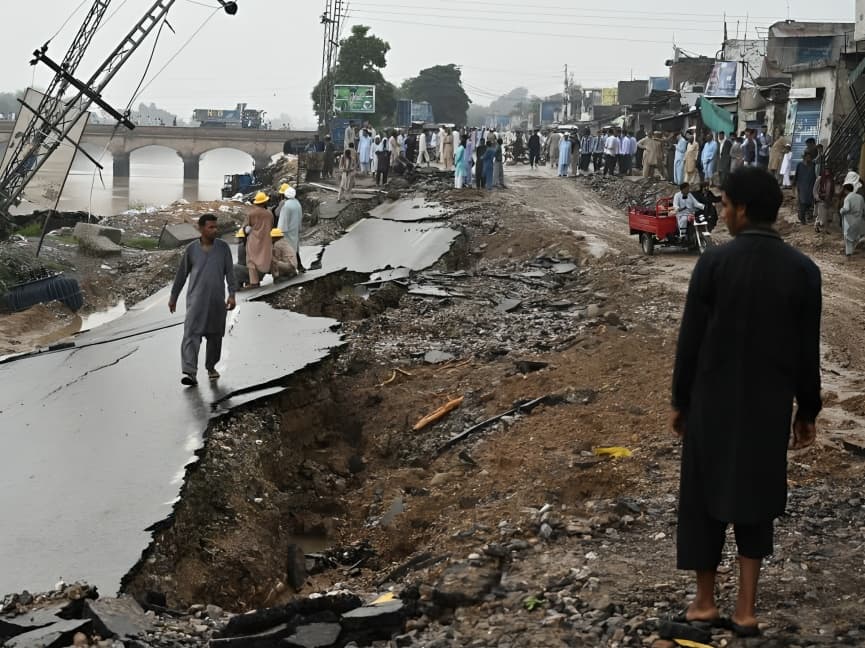
A 5.2 magnitude earthquake struck Japan, occurring just one day after a similar strength tremor was reported near Karachi in Pakistan. The back to back seismic events have drawn attention to heightened tectonic activity across parts of Asia, although experts caution that the two earthquakes are not necessarily linked.
According to Japan’s meteorological and seismic agencies, the earthquake was recorded at a moderate depth and was felt in several regions. Local authorities activated standard monitoring protocols, but no immediate reports of injuries or significant structural damage were received. Transportation services and utilities were briefly checked as a precaution.
In Pakistan, a 5.2 magnitude earthquake was recorded near Karachi a day earlier. The tremor was felt across parts of southern Pakistan, prompting residents to move outdoors in some areas. Officials said there were no reports of major damage or casualties, though assessments continued.
Seismologists explained that both Japan and Pakistan are located in regions with high tectonic activity. Japan sits along the Pacific Ring of Fire, one of the most seismically active zones in the world. Pakistan lies near the boundary between the Indian and Eurasian tectonic plates, which regularly produces earthquakes of varying intensity.
Experts emphasized that moderate earthquakes of around 5 magnitude can cause noticeable shaking but typically result in limited damage, especially in areas with strict building codes. Japan’s advanced earthquake resistant infrastructure is designed to withstand such events, reducing the risk of casualties.
Authorities in Japan urged residents to remain alert for aftershocks, which can occur following an initial quake. Emergency preparedness measures, including evacuation drills and early warning systems, remain a key part of the country’s disaster management strategy.
In Pakistan, disaster management officials advised citizens to follow safety protocols during tremors and to avoid panic. They also stressed the importance of public awareness and preparedness in earthquake prone regions.
While the timing of the two earthquakes has drawn public interest, seismologists clarified that earthquakes occurring in different tectonic regions are usually unrelated. However, the events serve as a reminder of the importance of disaster preparedness across earthquake prone countries.
Governments in both countries continue to monitor seismic activity closely. Authorities have reiterated that citizens should rely on official updates and adhere to safety guidelines issued by local disaster management agencies.