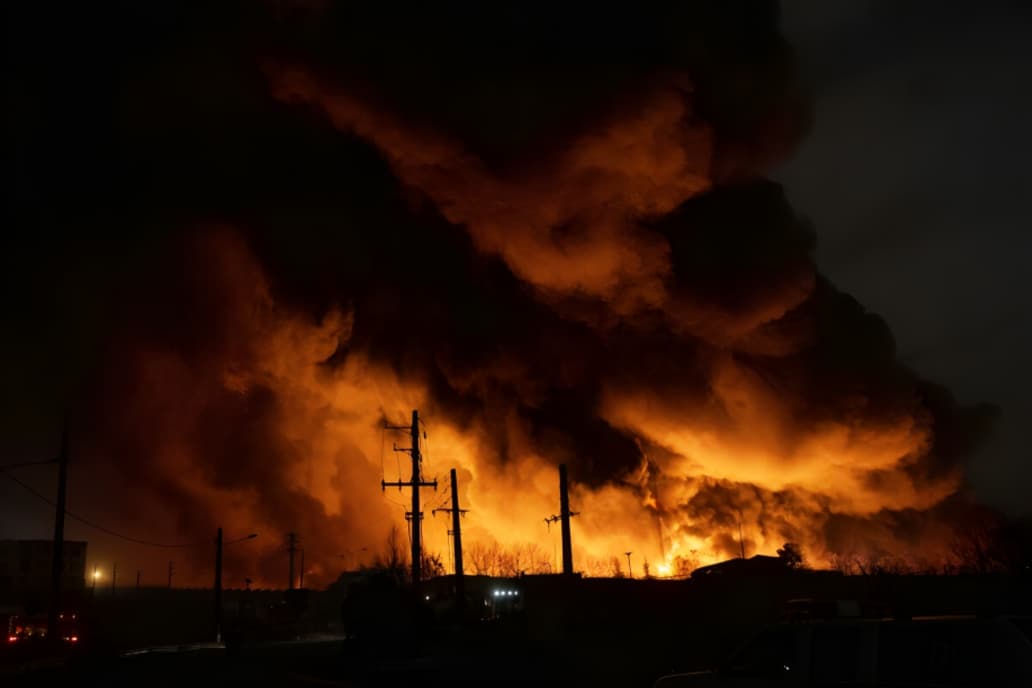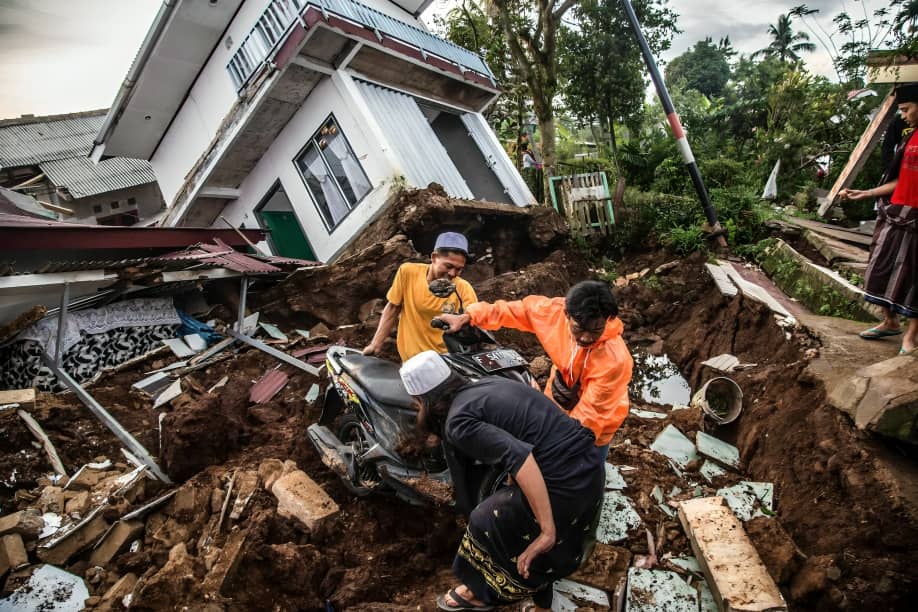
Western Indonesia was hit by a 6.3 magnitude earthquake, adding to the challenges posed by ongoing floods and landslides in the region. The tremor caused structural damage to homes and public buildings, disrupted transport routes, and triggered temporary power outages in affected areas. While detailed casualty figures are yet to be confirmed, authorities are closely monitoring the situation to ensure timely rescue and relief operations.
The region had been grappling with severe flooding and landslides over the past few days, caused by heavy rainfall. The earthquake has intensified the humanitarian situation, leaving many residents stranded and prompting urgent evacuation measures. Emergency response teams have been dispatched to assist affected communities, provide medical aid, and ensure the safety of residents in vulnerable areas.
Seismologists have warned of potential aftershocks following the 6.3 magnitude quake, advising residents to remain alert and avoid unstable structures. The combination of extreme weather and seismic activity has heightened the risk of landslides and secondary hazards, complicating relief operations. Authorities are urging communities to follow evacuation orders and stay informed through official channels.
Local governments and disaster management agencies are coordinating relief efforts, including providing temporary shelters, clean water, food supplies, and medical assistance. Volunteer organizations have joined the response, helping distribute essential items and assisting in search and rescue operations. Efforts are also being made to restore power and communication lines to facilitate coordination and emergency response.
This earthquake highlights the vulnerability of Indonesia, a region located on the Pacific “Ring of Fire,” to both seismic and climatic hazards. Over the years, the country has experienced numerous earthquakes, tsunamis, and volcanic eruptions, making disaster preparedness and early warning systems critical to minimizing casualties and damage. In addition to immediate rescue and relief, authorities are emphasizing the importance of long-term planning, including resilient infrastructure, community awareness, and risk mitigation measures.
Residents in flood- and landslide-prone areas have been advised to move to higher ground, avoid travel through affected zones, and follow safety guidelines issued by local authorities. Continuous monitoring of rivers, slopes, and seismic activity is underway to anticipate further hazards.
In conclusion, the 6.3 magnitude earthquake in western Indonesia has worsened the ongoing crisis caused by floods and landslides. The combined impact of natural disasters has strained emergency response and relief efforts, highlighting the need for vigilance, timely evacuation, and coordinated humanitarian assistance. Authorities continue to assess the situation, provide aid, and ensure the safety of residents as the region recovers from this dual disaster.