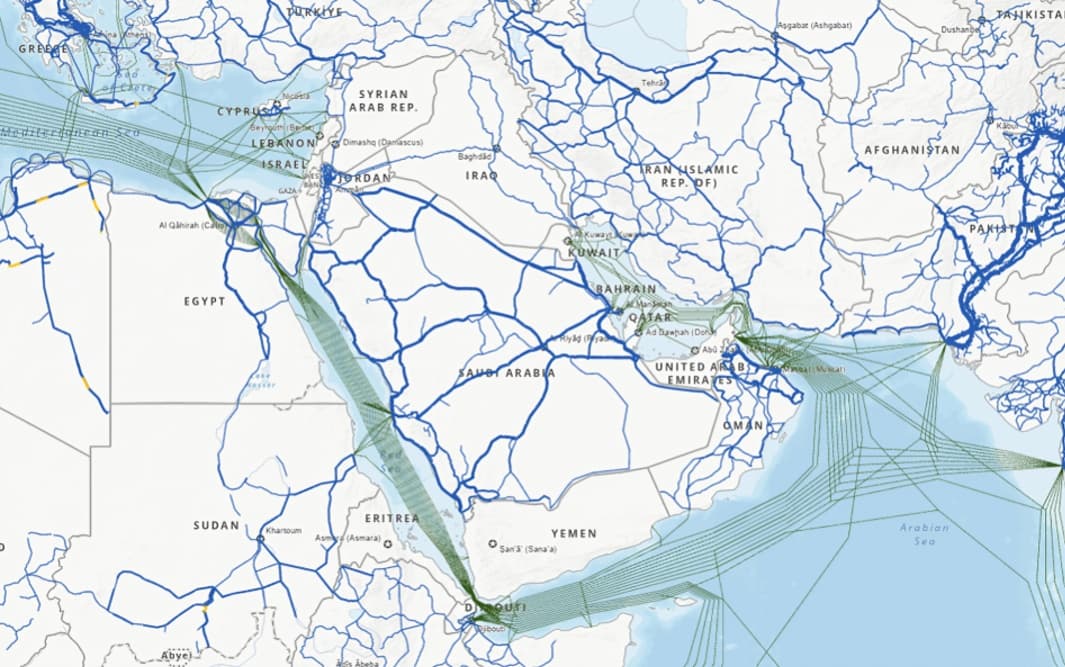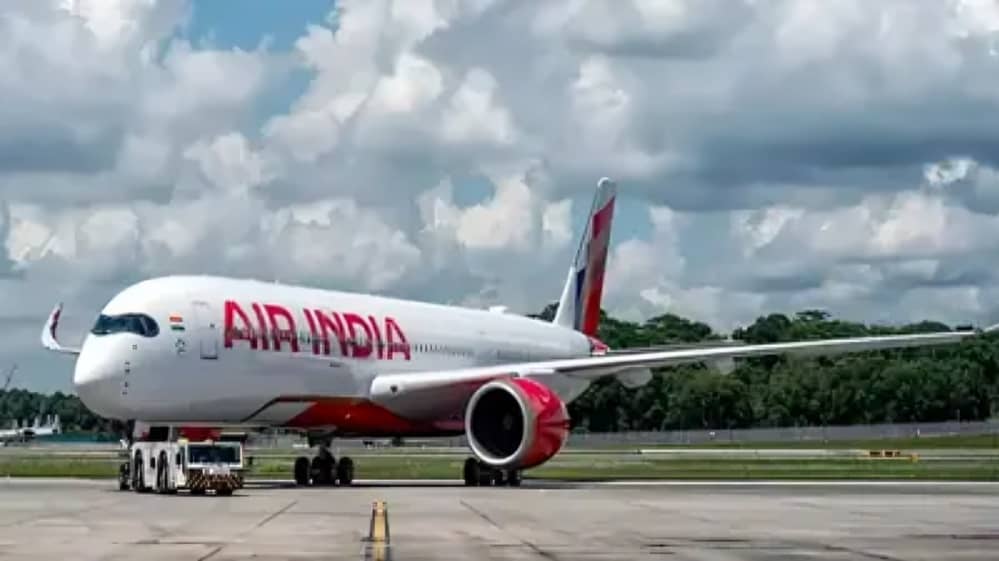

Air India has announced the suspension of its flight services between New Delhi and Tel Aviv until May 31, citing the ongoing tensions in West Asia. The decision comes as a precautionary measure in response to the evolving security situation in the region, which has raised concerns about the safety of air travel.
The suspension has affected a significant number of passengers, including Indian nationals who were planning to travel to or return from Israel. With direct flights halted, many travellers are now exploring alternative routes through other countries to complete their journeys. This has led to increased travel time and additional logistical challenges for passengers.
Air India stated that the safety of passengers and crew remains its top priority. The airline is closely monitoring the situation and will review its decision based on developments in the region. Passengers who had booked tickets for the affected period have been advised to check with the airline for rescheduling or refund options.
The ongoing tensions in West Asia have impacted not only air travel but also other sectors, with several countries issuing travel advisories for the region. Airlines across the world often adjust their flight schedules in response to geopolitical developments to ensure safety and compliance with international aviation guidelines.
Indian authorities are also keeping a close watch on the situation. The government has been in touch with Indian citizens in the region and has issued advisories to ensure their safety. Efforts are being made to provide assistance to those who may need help with travel arrangements or other concerns.
The suspension of flights highlights the broader impact of regional conflicts on global connectivity. Air routes passing through or near conflict zones are subject to strict safety assessments, and airlines must take precautionary measures when risks are identified. In such situations, decisions are often taken in coordination with aviation authorities and international agencies.
Passengers affected by the suspension are advised to stay updated through official communication channels. Travel experts suggest that those planning to visit the region should regularly check advisories and be prepared for possible changes in schedules.
The situation has also brought attention to the importance of contingency planning in international travel. Airlines and governments often work together to manage disruptions and ensure that passengers are informed and assisted during such events.
While the duration of the suspension has been set until May 31, it may be extended or revised depending on how the situation evolves. Air India has indicated that it will resume operations once it is deemed safe to do so.
Overall, the decision underscores the airline’s focus on safety and the need to adapt to changing global conditions. As the situation in West Asia continues to develop, travellers and authorities alike remain vigilant, prioritizing security and preparedness in the face of uncertainty.