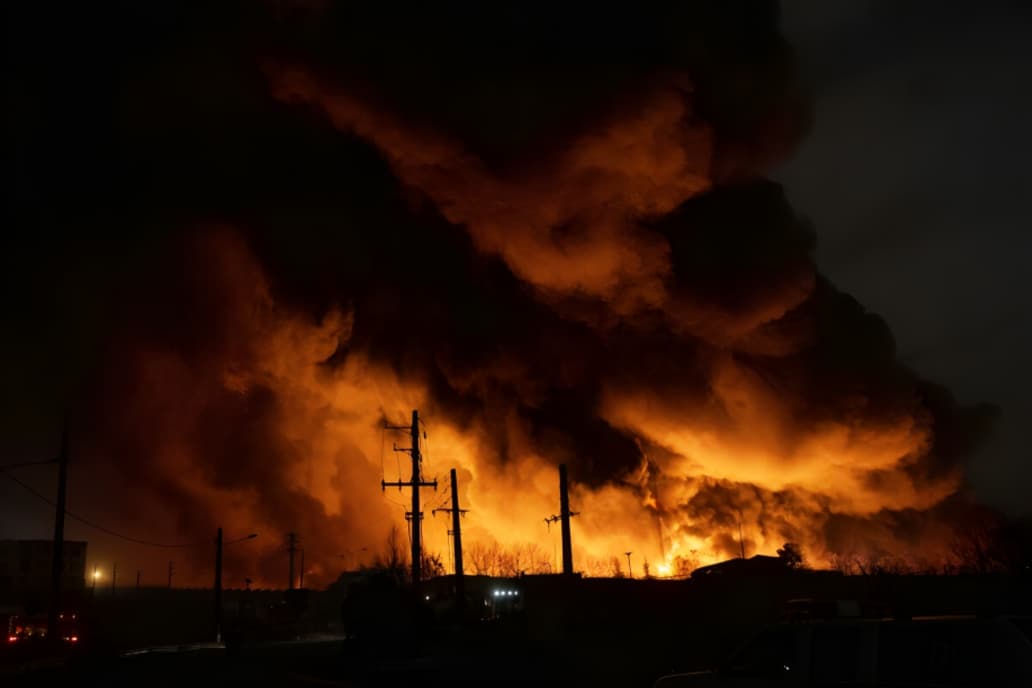
Bangladesh is grappling with a severe air pollution crisis, with the World Bank estimating that around 80,000 people die annually due to the detrimental effects of poor air quality. The report underscores that the country has one of the highest levels of air pollution in the world, which has significant implications for public health and well-being.
The health risks linked to Bangladesh's air pollution are vast and include respiratory diseases, cardiovascular issues, and other life-threatening conditions. Urban areas, particularly the capital city Dhaka, are known for their dangerously high levels of particulate matter, a key contributor to air pollution. These pollutants are primarily caused by industrial emissions, vehicle exhaust, brick kilns, and other sources, contributing to the persistent environmental and health challenges faced by the nation.
The World Bank has called for urgent government action to combat air pollution and improve air quality standards. Addressing this crisis will require a multi-faceted approach that includes stricter enforcement of environmental regulations, the adoption of cleaner technologies, and increased public awareness regarding the health risks of air pollution.
In response, environmental groups and public health organizations are advocating for more stringent measures to reduce emissions and promote cleaner alternatives. Many experts argue that if left unchecked, the rising levels of air pollution will continue to threaten the health of millions of Bangladeshis and undermine efforts to achieve sustainable development.
As Bangladesh battles this growing crisis, the need for effective policy intervention and long-term solutions has never been more urgent. The government, along with international organizations and local communities, must prioritize efforts to reduce air pollution and protect the health of its citizens.