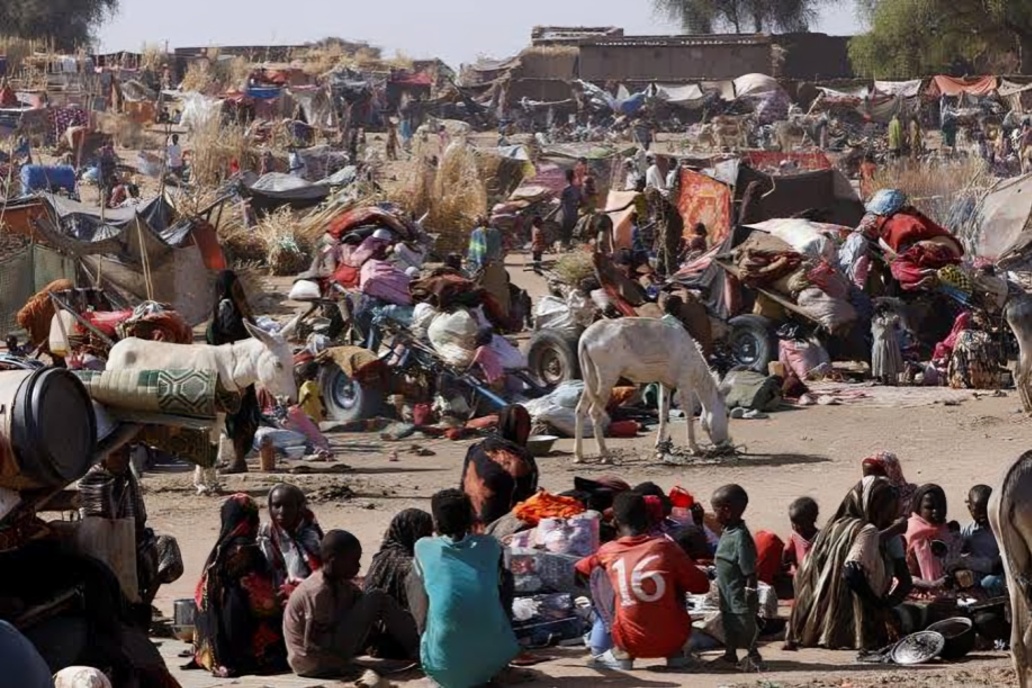
BBC Investigation Reports 43 Attacks on Hospitals During Sudan's el-Fasher Siege
A BBC investigation has uncovered evidence of at least 43 attacks on hospitals and other healthcare facilities in el-Fasher, a major city in Sudan's Darfur region, during the prolonged siege and subsequent takeover by the paramilitary Rapid Support Forces. The reported attacks took place between May 2024 and October 2025, with some medical facilities struck repeatedly.
The findings have renewed international concern about the impact of Sudan's ongoing civil war on civilians, medical workers and essential public services. The investigation suggests that repeated attacks severely weakened the city's healthcare system and restricted access to medical treatment for people trapped in the conflict zone.
United Nations High Commissioner for Human Rights Volker Türk described the findings as deeply disturbing. He said repeated attacks on civilian infrastructure, including medical facilities, constituted serious violations of international humanitarian law and could amount to war crimes.
The Rapid Support Forces, commonly known as the RSF, have rejected the allegations. A representative of the group's health administration dismissed the findings as propaganda and accused Sudan's national army and its allies of attempting to damage the paramilitary group's reputation.
Repeated Attacks on Medical Facilities
According to the BBC investigation, researchers compiled accounts from people who had been present in el-Fasher during the siege. Their findings identified at least 43 separate attacks on hospitals, clinics and other healthcare sites over the period examined.
The report describes how medical facilities were repeatedly damaged as fighting intensified around the city. Some hospitals were struck more than once, while other facilities were forced to suspend services or close entirely.
The Teaching Hospital, which had provided essential medical services, stopped operating during the early stages of the war. Medical services were subsequently transferred to other facilities, including South Hospital.
As the siege intensified, South Hospital also came under repeated attack. Medical workers faced dangerous conditions while attempting to treat wounded civilians and maintain essential services despite shelling, shortages and disruptions.
Following the closure of South Hospital, staff and equipment were moved to the Saudi Maternity Hospital. However, the BBC investigation reported that this facility also experienced repeated attacks.
According to the report, some medical facilities were attacked even after their services had been transferred to alternative locations. The pattern of damage and repeated closures raised concerns about the ability of civilians to access emergency treatment, surgery, maternity care and other essential health services.
The investigation concluded that the cumulative impact of the attacks was devastating for the city's healthcare infrastructure. By the time the RSF captured el-Fasher in October 2025, the Saudi Hospital was reportedly the only functioning healthcare facility remaining in the city.
Healthcare Workers Killed, Injured and Abducted
The investigation also documented the human cost of the conflict for healthcare personnel.
According to the BBC's findings, 55 healthcare workers were killed and 120 were injured between April 2023 and October 2025. Another 10 were reportedly abducted or forcibly disappeared during the same period.
These figures highlight the risks faced by doctors, nurses and other medical personnel working in areas affected by armed conflict. Healthcare workers often remain in dangerous locations because injured people and patients have nowhere else to seek treatment.
Dr Muhamed Suliman, a surgeon who worked in el-Fasher during the siege, told the BBC that the RSF appeared intent on forcing hospitals out of service. He argued that destroying medical services made it increasingly difficult for civilians to remain in the affected areas.
Other medical workers described attacks, shortages and deteriorating conditions that made it difficult to provide treatment. Some staff members reportedly had to move between facilities as buildings were damaged or became unsafe.
The investigation also included accounts from doctors who said they had been detained or prevented from leaving the city. Their experiences underline the wider dangers faced by medical personnel during the conflict.
The loss of trained healthcare workers can have consequences long after the fighting moves elsewhere. Hospitals need experienced staff, functioning equipment, reliable supplies and safe access for patients. When these systems collapse, communities may struggle to recover even after active hostilities decline.
United Nations Raises Concerns Over Possible War Crimes
The findings have raised serious questions about compliance with international humanitarian law.
Medical facilities and healthcare personnel receive special protection under the laws governing armed conflict. Parties to a conflict must respect and protect medical personnel, hospitals and other facilities carrying out medical duties, subject to the specific conditions established under international humanitarian law.
Hospitals must not be deliberately attacked simply because they are treating wounded people. Any claim that a medical facility has lost its protection must be assessed under the applicable legal rules and the circumstances of the incident.
Türk said the BBC's findings were consistent with monitoring and documentation by his office. He noted that repeated attacks had destroyed or seriously damaged hospitals and temporary medical facilities, significantly affecting healthcare access for civilians trapped in the city.
Whether specific incidents constitute war crimes requires an assessment of the evidence, the circumstances of each attack and the applicable legal standards. The BBC investigation and the UN official's comments raise serious concerns, but they should not be presented as a final judicial determination of individual criminal responsibility.
The issue is particularly significant because attacks on medical facilities can have effects beyond the immediate destruction of buildings. They can deprive entire communities of emergency treatment, maternity services, surgery, dialysis and other life-saving care.
RSF Rejects the Allegations
The RSF has denied the allegations contained in the investigation. Its health representative described the findings as propaganda and claimed that Sudan's national army and its allies were attempting to undermine the group's reputation.
The BBC report also recorded disagreements over the circumstances surrounding medical personnel who remained in the city after its capture. Representatives of the RSF-backed administration said some doctors had continued working, while doctors interviewed by the broadcaster described coercion and threats.
These competing accounts demonstrate the importance of examining evidence from multiple sources, including eyewitness testimony, medical records, independent investigations and statements from the parties involved.
The RSF's rejection of the allegations does not by itself resolve the questions raised by the investigation. Likewise, the reported findings should be attributed to the BBC investigation and relevant witnesses unless they are independently established through a formal legal process.
Background to Sudan's Civil War
Sudan's civil war began in April 2023 following a power struggle between the Sudanese Armed Forces and the Rapid Support Forces. The fighting has caused widespread displacement, civilian casualties and severe damage to infrastructure.
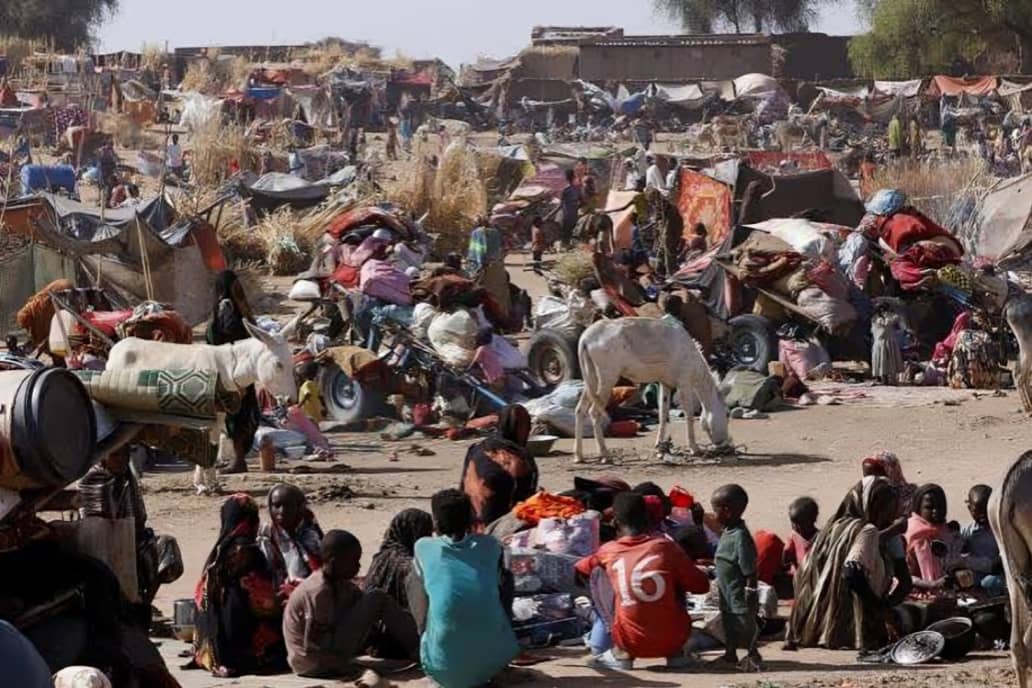
El-Fasher, located in North Darfur, became a major focus of the conflict as the RSF laid siege to the city before capturing it in October 2025. The siege disrupted supplies, restricted movement and placed enormous pressure on the remaining hospitals and humanitarian services.
The city had been an important centre for people seeking assistance in Darfur. As fighting intensified, residents faced growing difficulties obtaining food, clean water, medicines and emergency medical treatment.
The reported destruction of healthcare facilities added another layer to the humanitarian emergency. When hospitals close, patients with serious injuries and chronic illnesses may be left without access to treatment. Pregnant women, children and older people can face particularly severe risks.
Although the front lines have shifted since the takeover, the broader conflict remains unresolved. Humanitarian needs continue to be substantial, and attacks affecting healthcare have been reported in other parts of Sudan as well.
Continuing Humanitarian Consequences
The BBC investigation highlights how repeated attacks on hospitals can undermine a city's ability to function and place civilians at greater risk during a conflict.
Restoring healthcare services in el-Fasher will require more than reopening hospital buildings. Medical workers need protection, essential medicines and equipment must be available, and patients must be able to reach healthcare facilities safely.
Independent monitoring and transparent investigations are also important for establishing what happened, identifying possible violations and supporting accountability where crimes have been committed.
The reported attacks and casualties have renewed calls for all parties to the conflict to respect international humanitarian law and protect civilians and medical services. The RSF disputes the investigation's conclusions, while the UN human rights chief has warned that the reported pattern of attacks raises serious legal concerns.
The investigation provides a detailed account of the pressures faced by medical workers during the siege of el-Fasher. Its findings underline the importance of protecting hospitals and healthcare personnel in armed conflicts and ensuring that civilians are not deprived of essential medical care.