Tensions across West Asia have intensified amid reports that the United States and Israel are considering renewed military action against Iran. According to a report by The New York Times cited by international media, the two countries’ militaries have developed options for possible strikes targeting Iranian energy infrastructure, nuclear facilities, missiles and drones. The reported plans could be considered after the US midterm elections scheduled for November 3, 2026.
The reports do not establish that a final decision to launch fresh attacks has been taken. A White House official reportedly declined to comment on military plans that may or may not exist.
The latest developments come amid an extended conflict involving the United States, Israel and Iran, with regional security, energy supplies and maritime transport remaining major concerns.
Iranian officials have warned that any renewed military action would invite a response. Iranian state-affiliated media reported that an Islamic Revolutionary Guard Corps spokesperson threatened to unveil a weapon described as the “Father of All Bombs” in response to the United States’ powerful bomb arsenal. The claim has not been independently verified, and details about the weapon were not immediately available.
Trump Says Developments Could Come Soon
US President Donald Trump said Washington was not negotiating with Tehran and that something would happen “fairly soon”, according to an interview reported on October 22.
Trump suggested that developments could occur before or after the US midterm elections, while declining to provide a definitive timeline. He also claimed that the United States had achieved significant military and economic gains during the conflict and reiterated that Iran should not be allowed to acquire nuclear weapons.
In separate remarks, Trump said the war could end soon and predicted that global oil prices could fall once the conflict concluded. He argued that the economic impact of higher fuel prices was a cost worth bearing to prevent Iran from developing nuclear weapons.
However, the outlook for a diplomatic settlement remains uncertain. Reports on possible military preparations have emerged alongside accounts of indirect diplomatic contacts. The existence of military options does not necessarily mean they will be used, and the positions of Washington and Tehran could change as discussions continue.
Iran Challenges US Naval Blockade at the United Nations
Iran has also raised its objections to the US naval blockade through diplomatic channels. According to Iranian state media, Iran’s ambassador to the United Nations, Gholamhossein Darzi, sent a letter to UN Secretary-General António Guterres and the president of the UN Security Council.
The letter reportedly described the blockade as a violation of the United Nations Charter and international law. Iran called on the United Nations to condemn the action, arguing that it infringed on the country’s sovereignty and territorial integrity.
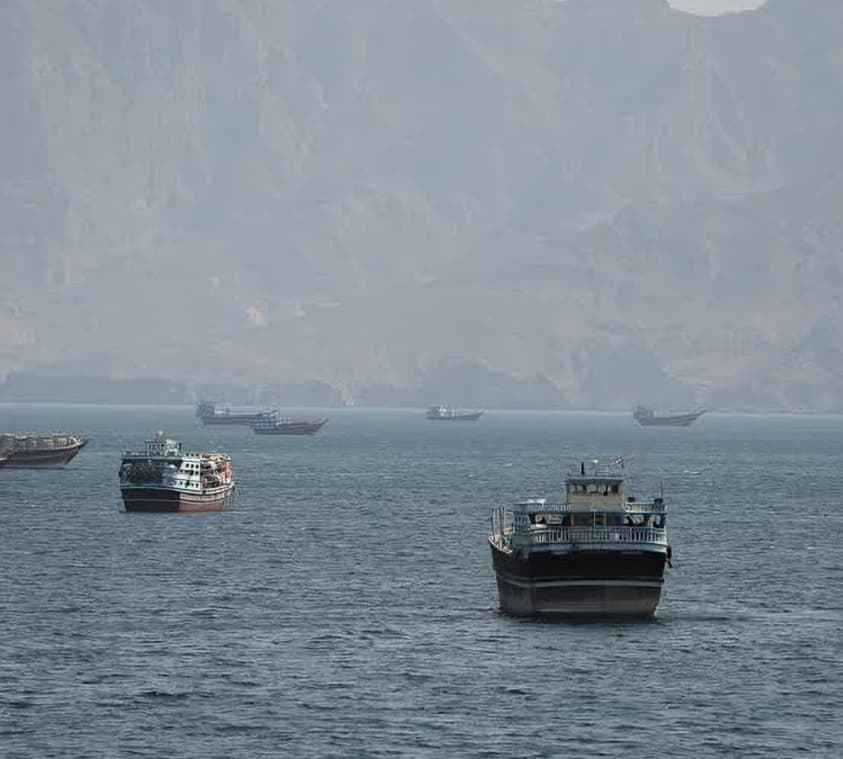
The dispute over maritime access has become a significant part of the wider confrontation. The Strait of Hormuz connects the Persian Gulf with the Gulf of Oman and is one of the world’s most important routes for oil and other energy shipments.
Restrictions or security threats affecting this passage can disrupt shipping schedules, raise insurance costs and create uncertainty in global energy markets. Any escalation involving the blockade or commercial vessels could therefore have consequences well beyond the immediate conflict zone.
Deadly Incident at Dammam Airport in Saudi Arabia
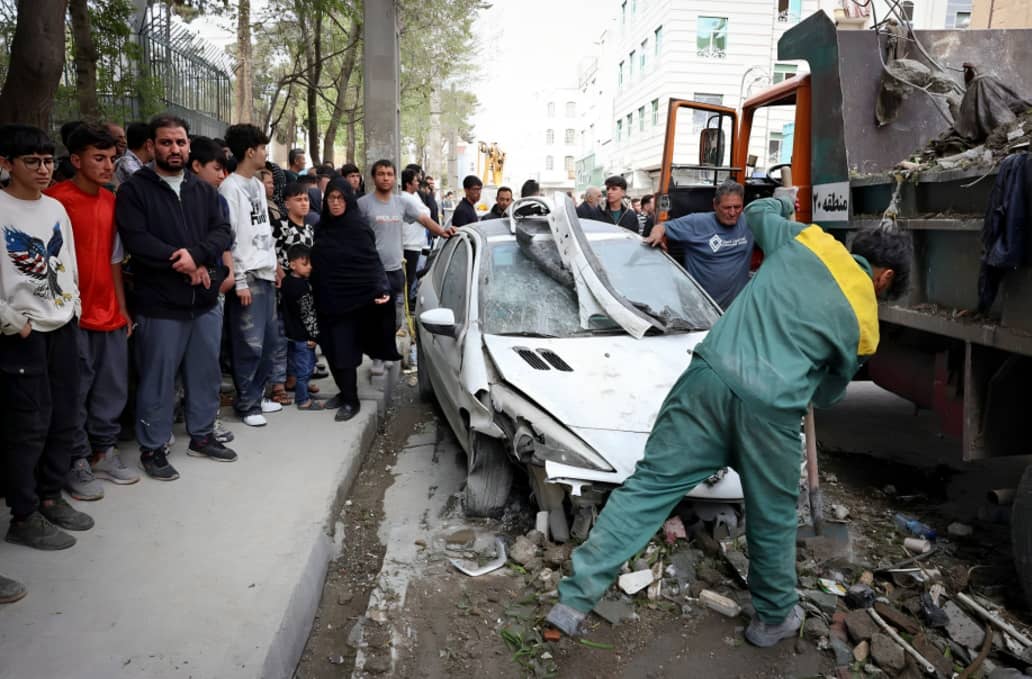
Saudi Arabia’s Eastern Province has also experienced serious security incidents. An attack at King Fahd International Airport in Dammam on October 21 caused deaths, injuries and damage, according to reports from Saudi authorities and international media.
Initial information from the General Authority of Civil Aviation reported one person killed and eight injured. Later reports, including coverage by Indian media, identified an Indian national among the fatalities and reported that the death toll had risen to two. Because updates differed across reports, the latest confirmed casualty figures should be checked against the most recent official Saudi statement before publication.
Authorities said the injured were taken to hospitals for treatment, with conditions ranging from minor to serious. Damage assessments were underway, while airport operations and air traffic were reported to have returned to normal.
The identity of those responsible for the airport incident had not been conclusively established in the initial reports. It is therefore important not to attribute the attack to a specific group without confirmation from authorities.
Indian National Injured Near Shaybah Oilfield
In a separate incident, an Indian national was injured after Saudi air defences intercepted a drone reportedly targeting a facility at the Shaybah oilfield, operated by Saudi Aramco.
According to Saudi Arabia’s Ministry of Energy, falling debris from the interception caused a fire in a contractor’s vehicle outside the facility’s perimeter. Two foreign nationals, identified as Filipino and Nepali citizens, were killed, while an Indian and a Pakistani national were injured.
The ministry said the incident did not affect operations at the oilfield. The Indian Embassy in Riyadh confirmed that an Indian citizen had been injured and said it was coordinating with Saudi authorities to obtain further information and provide assistance.
The incident underscores the risks faced by foreign workers in the region as security threats increasingly affect civilian infrastructure and energy facilities. The safety of Indian citizens working in the Gulf remains a concern for Indian diplomatic missions.
US Orders Some Diplomatic Personnel to Leave Saudi Arabia
The United States has ordered non-emergency government employees and their family members to leave Saudi Arabia amid heightened security concerns, according to reports citing the US State Department.
The decision followed attacks affecting Saudi airports and energy infrastructure. US authorities have also issued security warnings and restricted some personnel movements within the kingdom.
The reported departure order applies to non-emergency US government personnel and their families in Saudi Arabia. It should not be described as a confirmed evacuation order covering every US diplomatic mission across the Gulf unless further official announcements establish that broader scope.
The move reflects Washington’s assessment of risks to its personnel amid the worsening regional security environment. Other countries may issue separate travel advisories or change diplomatic staffing arrangements depending on developments.
Regional Security and Global Oil Markets
The developments have renewed concern about the impact of the conflict on international energy supplies. The Gulf region is a major source of oil exports, and the Strait of Hormuz is a crucial transit route for shipments to Asian and other international markets.
Fresh military strikes, attacks on energy facilities or disruptions to maritime traffic could increase oil prices and affect transport and insurance costs. Conversely, a durable ceasefire or diplomatic agreement could ease market concerns, although the timing and scale of any price changes would depend on wider supply and demand conditions.
For India, the situation has particular importance because the country relies heavily on imported energy and has a large number of citizens working across Gulf countries. Indian authorities will need to continue monitoring security developments, supporting nationals affected by incidents and coordinating with regional governments.
Situation Remains Uncertain
The latest reports point to rising tensions, possible renewed military action and growing security risks across parts of West Asia. However, reports of military planning should not be treated as confirmation that fresh strikes have been authorised.
The deaths and injuries reported in Saudi Arabia, including the injury to an Indian national near the Shaybah oilfield, highlight the direct human consequences of the deteriorating security environment. Meanwhile, diplomatic exchanges over the US naval blockade and Trump’s remarks about a possible near-term development indicate that military and diplomatic tracks remain in play.
Further statements from the US administration, Iranian officials, Saudi authorities and the Indian Embassy will be important in clarifying the next steps. Until then, the situation remains fluid, with implications for regional security, Indian nationals, international shipping and global energy markets.