A proposed high-voltage electricity transmission project in western Wisconsin has become the subject of a legal dispute between rural landowners and energy developers. Farming families opposing the plan say the proposed routes could affect agricultural land, homes, property values and the rural character of the region.
The project, known as the MariBell Transmission Project, is being developed by Dairyland Power Cooperative and GridLiance Heartland. It is planned as an approximately 140-mile electricity corridor connecting Marion in Minnesota with Bell Center in Wisconsin. The proposed infrastructure would use high-voltage transmission lines, including a 765-kilovolt system, alongside 161-kilovolt facilities.
The dispute has drawn attention to the challenges of building major energy infrastructure through working farms and rural communities. While transmission projects can support electricity delivery and grid capacity, route selection can create difficult questions about land use, compensation and the long-term effects on property owners.
For Timothy J. Woodhouse, a fourth-generation Wisconsin farmer, the issue concerns the future of a family cattle operation that has been developed and maintained across generations.
Proposed Routes Could Affect Family Farmland
According to allegations outlined in a court complaint by the Coalition Against MariBell 765, one proposed route could pass within 300 feet of Woodhouse's home. An alternative route could cross approximately 120 acres of cropland and pasture associated with his family's 2,500-acre cattle operation.
The family argues that either route could have significant consequences for its property and agricultural activities. A transmission corridor crossing productive farmland may affect how fields are used, how livestock are managed and how farm equipment moves around the property. The scale of any impact would depend on the final route, the location of towers and access roads, and the conditions imposed during construction and operation.
Woodhouse's concerns are part of a broader objection raised by the coalition, which is challenging the project through legal proceedings. The group has argued that the route-selection process and potential effects on affected landowners require further scrutiny.
The claims remain allegations presented by the opponents of the project. Their validity and the legal questions surrounding the proposal must be assessed through the relevant proceedings and regulatory process.
Another Generational Farm Raises Concerns
The coalition has also identified the farm of Larry Pedretti, Woodhouse's uncle, as a property that could be affected by the proposed routes. Pedretti is described as a third-generation farmer who raises beef cattle.
The families say the project could interfere with the way their farms operate and alter the landscape surrounding their homes and pastures. For multigenerational farming businesses, land is not only an economic asset but also the foundation of an established way of life.
The proposed development has therefore raised questions about how energy infrastructure should be planned when routes intersect with long-established agricultural operations. Landowners may have concerns about construction access, the placement of transmission towers, maintenance requirements and any restrictions associated with rights-of-way.
Pedretti's use of a pacemaker and defibrillator has also been mentioned in the coalition's concerns. The family has raised questions about living and working near high-voltage infrastructure. However, the mention of these medical devices does not establish that the proposed line would create a health risk. Any assessment of potential exposure would require reliable technical evidence and advice from qualified medical and electrical experts.
Dispute Over Environmental and Property Impacts
The coalition's legal challenge raises several concerns, including possible effects on property values, farming activities, noise levels, electromagnetic fields and the rural environment.
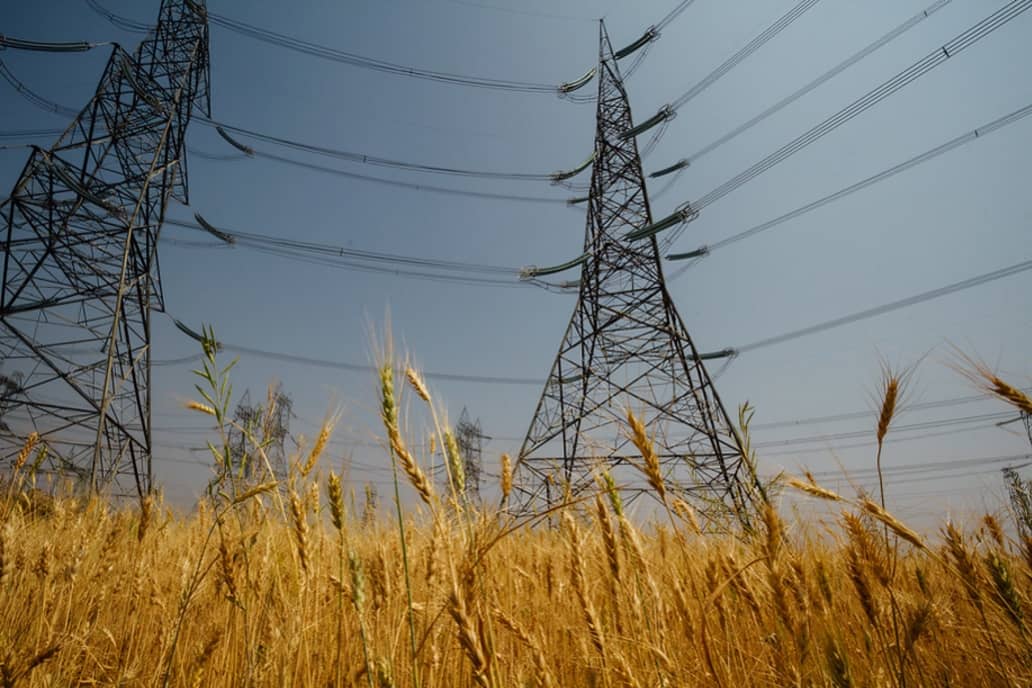
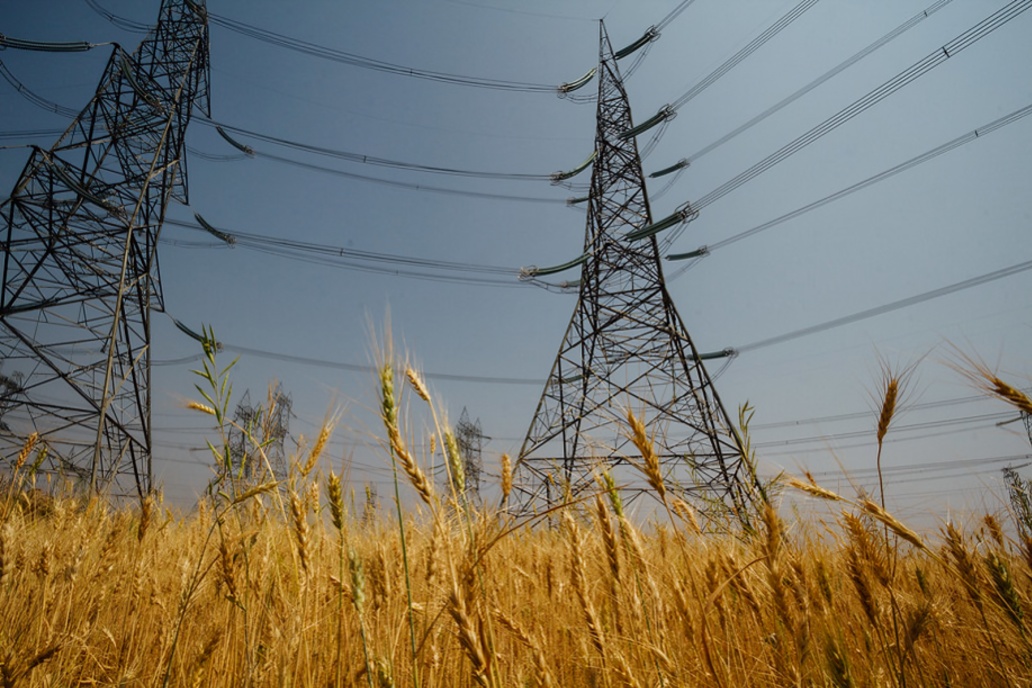
High-voltage transmission infrastructure can change the appearance of a landscape because of its large towers, conductors and maintenance corridors. In agricultural areas, developers must also consider how construction and future access may affect fields, drainage, livestock facilities and farm operations.
The effect on property values is not uniform and can depend on factors such as the distance between a property and the line, visibility, local market conditions and the nature of the easement. A claim that property values will decline therefore needs to be evaluated using evidence specific to the affected area.
Concerns about electromagnetic fields are also part of the dispute. Power lines produce electric and magnetic fields, and exposure levels depend on factors including voltage, current, distance and line design. Claims about health consequences should be evaluated using established scientific evidence rather than assumptions. The court complaint's concerns about human and livestock health should not be presented as proven effects.
The developers' final route, engineering specifications, regulatory assessments and any applicable environmental reviews will be important in determining the project's actual impact.
The MariBell Transmission Project
The MariBell project is intended to connect the electricity systems associated with Marion, Minnesota, and Bell Center, Wisconsin. The proposed corridor is approximately 140 miles long and would include transmission infrastructure operating at 765 kilovolts and 161 kilovolts.
Large transmission projects are generally designed to move electricity over long distances and support the operation of regional power networks. However, they can require substantial land access and coordination with property owners, local authorities and regulatory bodies.
The reported project cost is approximately $900 million. The financial scale and geographic reach of the proposal have intensified the debate over how its benefits and costs should be distributed between the wider electricity system and communities located along the route.
The final outcome will depend on the project's approvals, route decisions, land-access arrangements and the resolution of any legal challenges. The existence of opposition does not by itself determine whether the project will proceed, but it can bring additional scrutiny to its planning and implementation.
Balancing Energy Infrastructure and Rural Communities
The dispute in western Wisconsin reflects a wider challenge faced by communities where new electricity infrastructure is proposed. Expanding transmission capacity may serve regional energy needs, but route selection can have direct consequences for landowners whose homes and farms lie along a proposed corridor.
A transparent planning process can help affected residents understand why a particular route is being considered, how alternatives have been evaluated and what protections or compensation may be available. It can also help developers identify practical ways to avoid or reduce impacts on agricultural land and residential properties.
For farmers, key issues include the amount of land affected, the placement of towers, access for machinery, livestock management and the terms of any easement or land agreement. For developers and regulators, the challenge is to assess these concerns alongside engineering requirements, reliability goals and the broader public interest.
The legal challenge led by the Coalition Against MariBell 765 seeks to contest aspects of the proposed project and its possible consequences for local families. The court process may help clarify the issues raised by the landowners and determine how those claims should be addressed under applicable law.
What Happens Next
The future of the MariBell Transmission Project will depend on further planning and regulatory decisions, along with the progress of the coalition's legal challenge. Important questions include which route will ultimately be selected, how affected properties will be treated and whether changes can reduce the impact on farming operations.
For Woodhouse and the other families involved, the immediate concern is the possibility that a transmission corridor could come close to their homes or cross land used for cattle production and crops.
The dispute illustrates the need to consider both regional electricity requirements and the interests of rural communities during major infrastructure planning. Until the relevant authorities and courts resolve the outstanding issues, the claims made by the landowners should be distinguished from established findings about the project's effects.