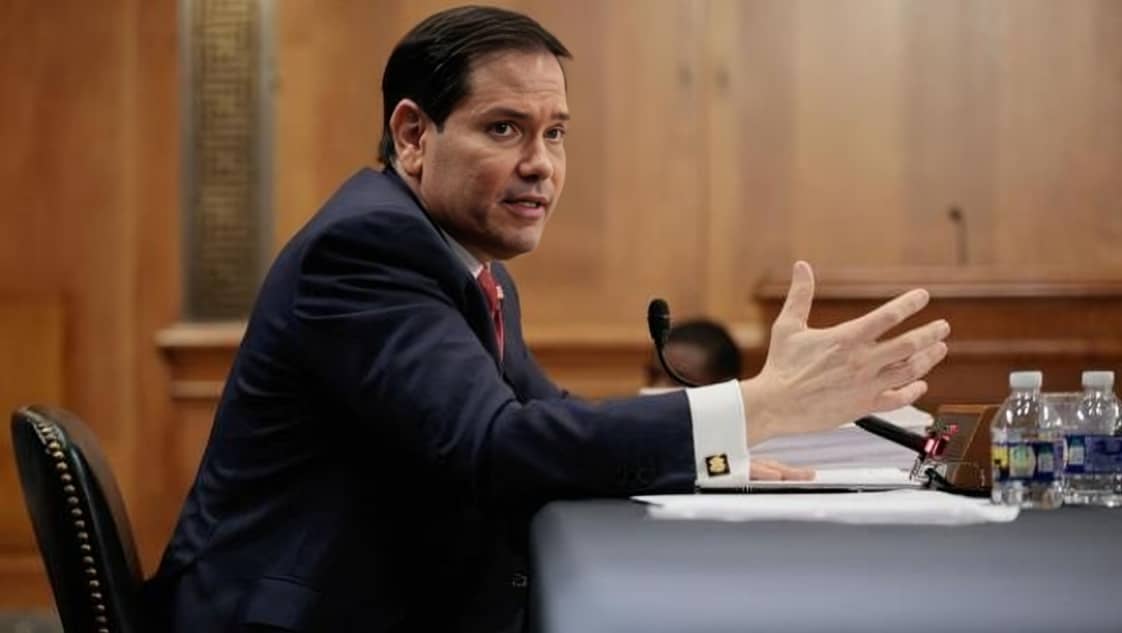
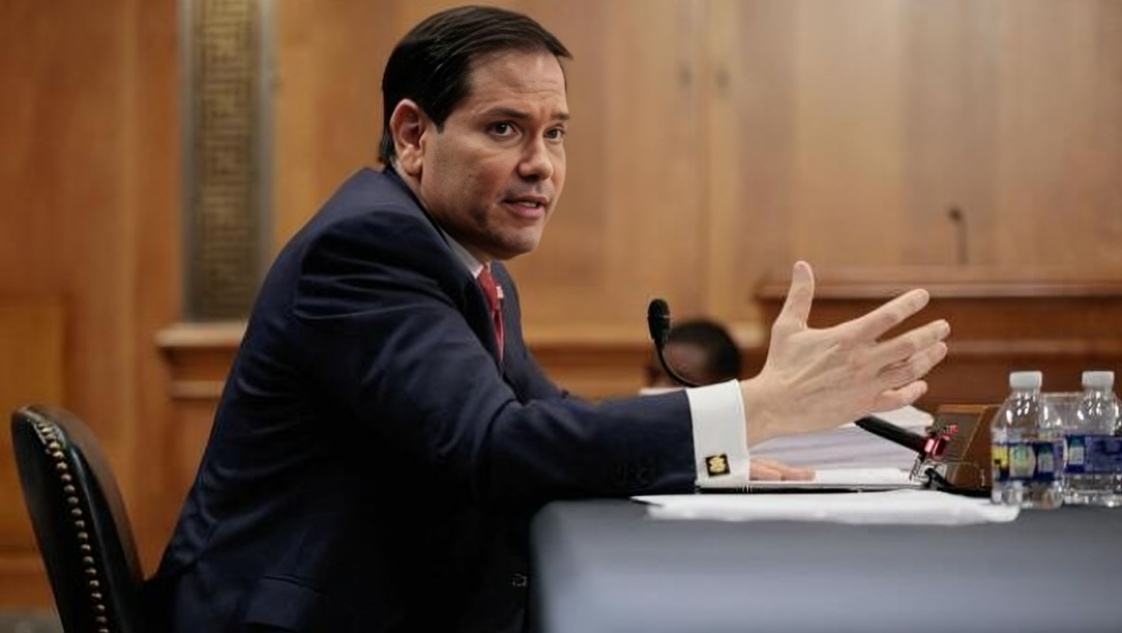
US Secretary of State Marco Rubio has described protests against India’s Election Commission as a domestic political matter, saying Washington would not interfere in India’s internal political affairs. His remarks came after United Nations experts expressed concern about the handling of demonstrations linked to electoral roll revisions and allegations of excessive police force against protesters.
Speaking on October 21, 2026, Rubio was asked about the United Nations experts’ criticism of India’s response to protests involving opposition parties and student groups. He questioned the terminology used to describe the experts and said India was a democracy with elections and established political processes.
Rubio stated that he did not intend to offer an opinion on India’s domestic political disputes. He also distinguished peaceful political demonstrations from riots involving vandalism and the destruction of property, highlighting the importance of distinguishing different forms of public protest.
His comments have attracted attention because they came amid an exchange between Indian authorities and UN experts over the treatment of demonstrators and the protection of civil liberties.
Rubio Says the Issue Is India’s Domestic Matter
During the interaction, Rubio said that the United States would not comment on how India handles its internal political disagreements. He referred to India’s democratic institutions and electoral processes while explaining his position.
Rubio also made a critical remark about the phrase “UN experts,” describing it as an “oxymoron.” The comment reflected his scepticism towards the terminology and the context in which the question was raised.
He further clarified that his remarks about protests did not refer to demonstrations involving riots, vandalism or the destruction of buildings. He distinguished such incidents from peaceful demonstrations in which people express differing political opinions.
His statements did not amount to a detailed assessment of the allegations raised by UN experts. Rather, Rubio emphasised that the United States would leave India’s domestic political issues to Indians to address.
UN Experts Raise Concerns About Police Action
Rubio’s comments followed a statement by independent UN human rights experts on October 20, 2026. The experts called on Indian authorities to stop what they described as excessive force against protesters and urged an independent investigation into the handling of recent demonstrations.
The protests involved opposition political parties and student groups demanding the resignation of Chief Election Commissioner Gyanesh Kumar. The demonstrations were linked to disputes over the Special Intensive Revision of electoral rolls and allegations that the process could disadvantage certain groups of voters.
According to the UN experts, there were reports of baton charges against unarmed demonstrators, restrictions on public assemblies and the use of digital surveillance. They called on the authorities to respect the right to peaceful assembly and ensure that law enforcement measures comply with international human rights standards.
These statements were allegations and concerns raised by the experts, rather than judicial findings establishing that every reported incident had occurred as described.
The Indian government has rejected the criticism, arguing that the allegations are based on incomplete information and that law enforcement agencies acted in accordance with the law.
India Rejects the Allegations
Indian representatives have pushed back against international criticism of the police response to protests. At the United Nations, Indian diplomat Barkha Tamrakar said India opposed attempts to portray the country negatively through what she described as unverified allegations and incomplete statistics.
India has also maintained that its Constitution provides safeguards for human rights and due process. Officials have argued that human rights should not be used as a tool for political pressure or selective scrutiny of individual countries.
The government's position is that public order measures must be considered in the context of applicable laws and the circumstances surrounding each demonstration.
The disagreement highlights differences between the concerns expressed by UN experts and the Indian government's response. The experts have called for an investigation into alleged excessive force, while Indian officials have rejected the characterisation of the country's actions and defended the legal framework governing public order.
Electoral Roll Revision at the Centre of the Dispute
The protests that prompted the international debate are connected to the Special Intensive Revision of electoral rolls.
Opposition parties and protest organisers have alleged that changes to voter lists could remove eligible voters and disproportionately affect vulnerable communities, including poor and homeless people. They have also questioned whether the process is being conducted fairly and independently.
Some protesters have claimed that approximately 130 million names were removed from voter lists. This figure represents a claim made by protesters and should not be treated as a verified count of eligible voters unlawfully excluded.
The Election Commission has maintained that the revision process is intended to remove duplicate, deceased, shifted and otherwise ineligible entries. It has also said that individuals whose names have been wrongly excluded can pursue the available procedures to seek re-enrolment.
The central dispute concerns the accuracy and fairness of the revision process, the potential impact on eligible voters and the procedures available to challenge errors.
The Role of the United Nations Experts
Independent experts appointed by the UN Human Rights Council monitor and report on specific human rights issues. They are not the same as national governments, and their public statements do not automatically constitute binding decisions by the United Nations.
Their role includes raising concerns, seeking information and drawing attention to alleged violations of international human rights standards.
In the present case, the experts have called for an independent investigation and urged Indian authorities to avoid excessive force, blanket restrictions on assemblies and misuse of digital surveillance.
Rubio's remarks questioned the terminology used to describe the experts and emphasised that the issue should be handled domestically. His comments did not change the status of the UN experts' statement or resolve the underlying allegations.
Implications for India-US Relations
Rubio's response reflects a stated position of non-interference in India's domestic political debate. By describing the issue as an internal matter, he indicated that Washington did not intend to publicly assess the handling of the protests.
However, his remarks should not be interpreted as a formal finding on the validity of the allegations or as an endorsement of every action taken by Indian authorities.
The episode illustrates the sensitivity surrounding international commentary on domestic political issues. Governments may view external criticism as interference, while international human rights experts may argue that concerns about peaceful assembly and the use of force deserve independent scrutiny.
The disagreement also highlights the importance of transparent investigations, reliable evidence and clear communication when allegations arise concerning police conduct and civil liberties.
As of October 21, 2026, the debate remains unresolved. Rubio has said the United States will not comment on India's domestic political affairs, UN experts have called for an investigation into reported police conduct, and Indian officials have rejected the allegations. Further developments will depend on responses from the relevant authorities, the progress of any investigations and the handling of electoral roll complaints.