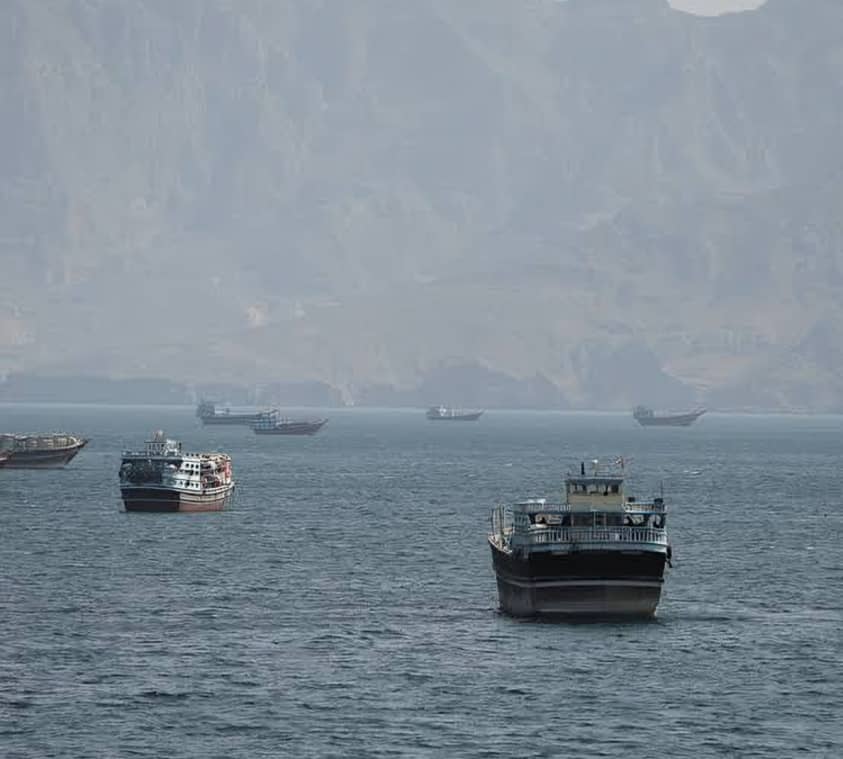
A Kuwait-flagged oil product tanker carrying 21 Indian seafarers was struck by an unidentified projectile while sailing through the Strait of Hormuz on October 21, 2026. Union Minister for Ports, Shipping and Waterways Sarbananda Sonowal confirmed that all 21 Indian crew members, along with the vessel’s other crew members, were safe following the incident.
The vessel was identified as M/T Al Dasma. The incident has raised further concerns about the safety of commercial shipping through one of the world’s most strategically important maritime routes, which is vital for international oil transportation and energy supplies.
In a statement shared on social media, Sonowal said the government was closely monitoring the situation and maintaining contact with the ship management company. He said the authorities were working to ensure the continued safety and well-being of Indian seafarers.
Incident Reported Near Oman
According to reports, the tanker was struck while transiting the Strait of Hormuz near Oman. Information tracked by the United Kingdom Maritime Trade Operations organisation placed the incident approximately 11 nautical miles west of Bukha, Oman.
The projectile was described as unidentified, and publicly available reports did not establish who was responsible for the incident. Reports also indicated that the impact caused a fire aboard the tanker, which was subsequently extinguished. The vessel reportedly remained stationary after the incident.
The immediate priority was the safety of the crew. The shipping minister’s statement confirmed that all 21 Indian seafarers and the other crew members were safe. Further details about the extent of the vessel’s damage and its subsequent movements were not immediately available in the initial reports.
The circumstances surrounding the strike remain important to establish. The identity of the projectile, the cause of the incident and any potential damage to the vessel will need to be assessed through the relevant maritime and security channels.
Indian Government Monitoring the Situation
The Indian government is monitoring the incident through the Ministry of Ports, Shipping and Waterways and remains in contact with the ship management company, according to Sonowal’s statement.
The safety of Indian seafarers working on international commercial vessels has become a major concern amid repeated security incidents affecting maritime traffic in and around the Strait of Hormuz. Indian nationals serve on tankers, cargo vessels and other commercial ships that transport goods and energy products across international shipping routes.
When such vessels encounter security threats, authorities may coordinate with ship operators, maritime security agencies and diplomatic missions to assess the situation and provide assistance where necessary.
In the case of M/T Al Dasma, the confirmation that all crew members were safe provided immediate reassurance to their families and the wider maritime community. However, the incident also underlined the continuing risks faced by seafarers operating in a region affected by heightened geopolitical tensions.
Strait of Hormuz and Its Global Importance
The Strait of Hormuz connects the Persian Gulf with the Gulf of Oman and the Arabian Sea. It is a critical passage for international energy shipments, including crude oil, petroleum products and liquefied natural gas.
A substantial share of the world's seaborne oil trade normally passes through the waterway. Its geographical position makes it particularly important to countries in the Gulf that export energy products to major markets in Asia and other regions.
Any disruption to shipping through the strait can affect vessel movements, insurance costs, freight rates and delivery schedules. Prolonged disruption can also create uncertainty in global energy markets because importers and exporters depend on reliable access to the route.
Commercial vessels passing through the area must navigate a narrow maritime corridor in a region where political and military tensions can influence shipping operations. Security incidents involving tankers therefore attract attention from governments, maritime organisations, shipping companies and energy traders.
The latest strike involving M/T Al Dasma adds to concerns about the security of commercial vessels using this important international waterway.
Previous Incidents Involving Indian Seafarers
The latest incident follows other reported security incidents involving commercial vessels carrying Indian nationals in the wider region.
On October 16, 2026, crude oil tanker MT ST 3, which was carrying 15 Indian seafarers, was reportedly struck by a projectile while transiting the Strait of Hormuz. Sonowal said all Indian crew members were safe.
Earlier in October, another Kuwait-flagged tanker, MT Kazimah III, was struck by a projectile in the Strait of Hormuz. Five Indian nationals aboard that vessel were subsequently rescued and brought safely ashore in Oman, according to the Indian Embassy in Muscat.
Other incidents involving commercial vessels in the region have also prompted Indian authorities to call for the protection of seafarers and the safe movement of maritime traffic. These cases have highlighted the need for close coordination between ship operators, maritime security agencies and national authorities.
Although the incidents differ in their circumstances and outcomes, their frequency has increased concern about the risks facing merchant vessels and crews operating in the region.
Importance of Maritime Safety and Freedom of Navigation
Commercial shipping plays an essential role in international trade, connecting producers, exporters and consumers across continents. Tanker crews work in challenging conditions and depend on safe passage through international waterways to complete their journeys.
Attacks or suspected attacks on commercial vessels can place crew members at risk and disrupt the movement of essential goods. They may also affect shipping schedules and increase uncertainty for companies responsible for transporting energy supplies.
India has repeatedly emphasised the importance of protecting its seafarers and ensuring that commercial shipping can operate safely. The government has also called for the safe and uninterrupted movement of maritime commerce through international waterways.
For the crew of M/T Al Dasma, the confirmation that all seafarers were safe was the most significant immediate development. The focus now remains on monitoring the vessel’s condition, establishing the circumstances of the incident and ensuring that the crew continues to receive the necessary support.
Situation Remains Under Monitoring
The projectile strike involving M/T Al Dasma occurred amid continuing concerns over maritime security in the Strait of Hormuz. Indian authorities have confirmed the safety of the 21 Indian seafarers and said they are maintaining contact with the ship management company.
The identity of the projectile and responsibility for the incident have not been established in the reports available at the time of publication. Further information from maritime authorities and the vessel operator may clarify the extent of the damage and the next steps for the tanker.
The incident once again highlights the importance of protecting commercial vessels and their crews in strategically significant shipping corridors. Authorities continue to monitor the situation, with the safety and welfare of the seafarers remaining the immediate priority.