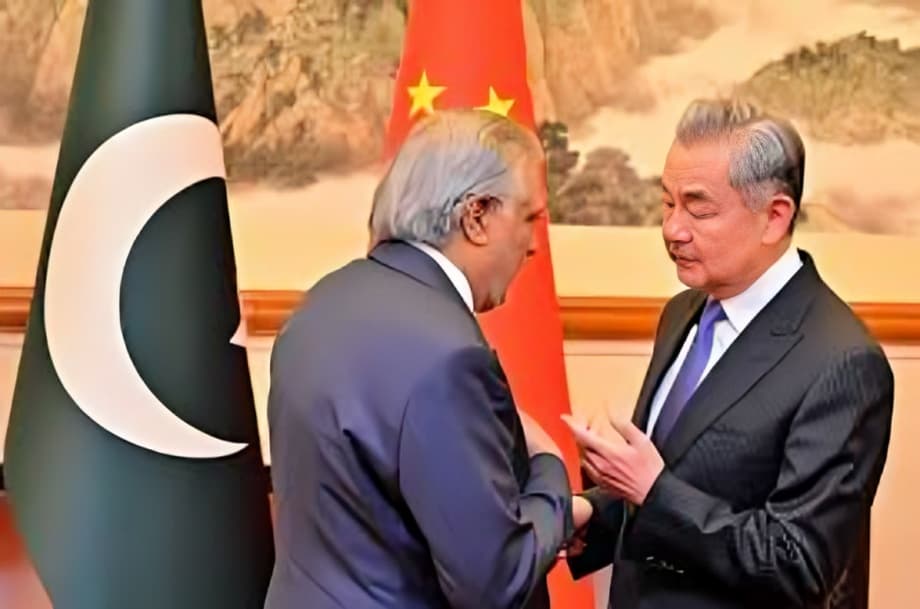
China and Pakistan have come forward with a joint proposal aimed at reducing tensions and resolving the ongoing conflict in West Asia. The two countries have introduced a five point plan that focuses on immediate de escalation, protection of sovereignty and the promotion of dialogue among the affected nations.
The proposal calls for an immediate ceasefire between the parties involved in the conflict. Both countries have stressed that halting hostilities is the first and most important step toward restoring stability in the region. Continued violence, they argue, could lead to further escalation and have serious consequences not only for the region but also for global peace and economic stability.
Another key aspect of the plan is the initiation of peace talks. China and Pakistan have emphasized the importance of diplomatic engagement and dialogue as the only sustainable path to resolving conflicts. They have urged all sides to come to the negotiating table and work toward a mutually acceptable solution.
The proposal also highlights the need to safeguard the sovereignty and territorial integrity of countries in the region, including Iran and the Gulf states. Respecting national boundaries and avoiding interference in internal affairs are considered essential for maintaining long term peace and stability.
Protecting civilians is another major focus of the plan. China and Pakistan have called for all parties to avoid targeting civilian infrastructure and to ensure the safety of non combatants. This includes access to humanitarian aid and the protection of essential services such as healthcare and transportation.
The plan further emphasizes the importance of maintaining secure navigation through the Strait of Hormuz, one of the world’s most critical maritime routes for oil and gas transportation. Disruptions in this area could have a significant impact on global energy markets and trade. Ensuring safe passage for commercial vessels is therefore seen as a priority.
The proposal comes at a time when tensions in West Asia have been rising, leading to concerns among global leaders and policymakers. The region plays a crucial role in the global energy supply, and any instability can have far reaching effects on economies worldwide.
International observers note that while diplomatic proposals such as this are important, their success depends on the willingness of all parties involved to engage in constructive dialogue. Previous attempts at peace in the region have faced challenges due to differing political interests and complex geopolitical dynamics.
China and Pakistan have reiterated their commitment to supporting peaceful solutions and have called on the international community to play a constructive role in de escalating the situation. They have urged global organizations and major powers to encourage dialogue and cooperation among the concerned countries.
As the situation continues to evolve, the focus remains on preventing further escalation and finding a lasting resolution to the conflict. The proposed plan represents an effort to bring attention to the need for diplomacy, stability and cooperation in a region that remains critical to global peace and security.