
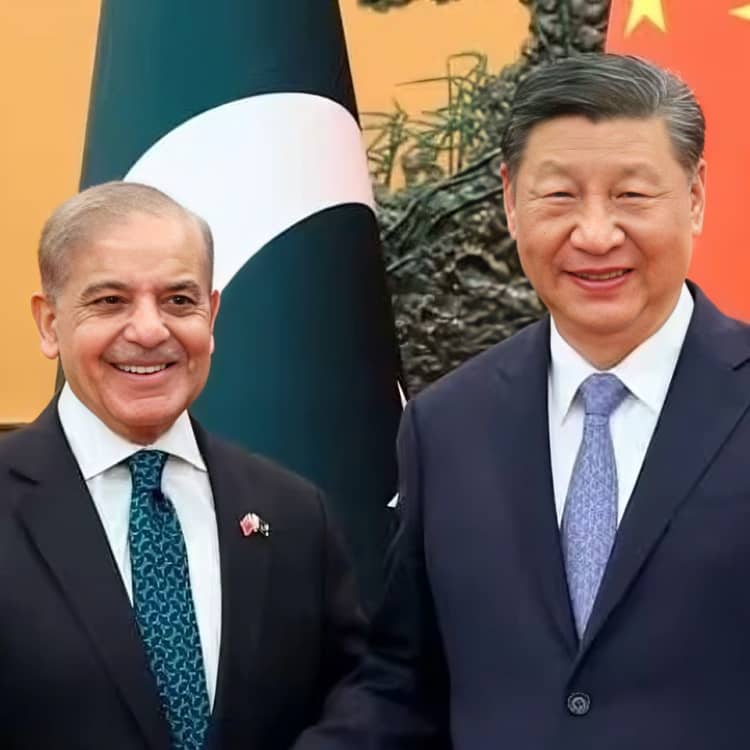
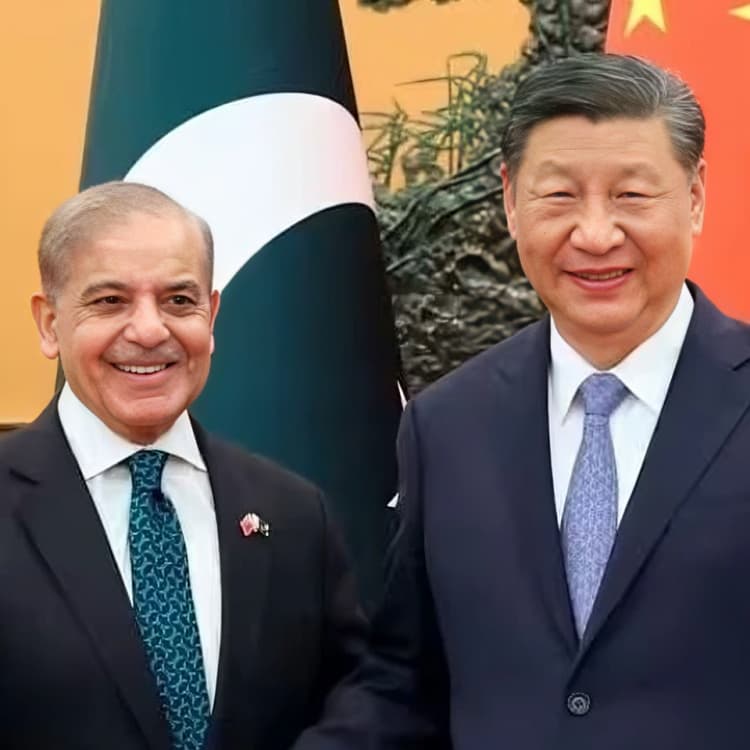
A fresh diplomatic discussion has surfaced following China’s claim that it played a role in mediating between India and Pakistan during their recent military standoff earlier this year. The statement has attracted attention as it contrasts with India’s established position that issues with Pakistan are resolved strictly through bilateral dialogue, without the involvement of external parties.
According to reports, Chinese officials suggested that Beijing engaged with both New Delhi and Islamabad during the period of heightened tension, contributing to de-escalation efforts. The military confrontation, though brief, had raised concerns across the region, prompting several countries to monitor the situation closely. China’s remarks have now added a new dimension to the diplomatic narrative surrounding the episode.
India, however, has consistently rejected the idea of third-party mediation in its relations with Pakistan. New Delhi has maintained that all discussions related to security, ceasefire arrangements, and conflict resolution are handled directly between the two nations. This stance has been reiterated on multiple occasions, regardless of claims made by other countries.
Pakistan has often welcomed international involvement in addressing disputes with India, particularly on matters related to regional security. China’s assertion may align with Islamabad’s broader diplomatic approach, but it remains at odds with India’s policy framework. Indian officials have not issued any statement supporting China’s claim, reinforcing the view that no external mediation was sought or accepted.
The development comes at a time when China’s role in South Asia is under close scrutiny. Beijing maintains strong strategic ties with Pakistan and has also been managing a complex relationship with India, particularly along the Line of Actual Control. Any claim of mediation is therefore being viewed through the lens of broader regional geopolitics.
Diplomatic observers note that major powers often engage in parallel diplomatic communication during regional crises, including calls for restraint and stability. However, such engagement does not necessarily equate to formal mediation. India has previously clarified that calls for de-escalation or peace appeals from other nations do not constitute third-party intervention.
The episode highlights the sensitivities surrounding diplomatic narratives in South Asia. Public claims of mediation can have implications for perceptions of sovereignty and strategic autonomy, particularly for India, which places strong emphasis on independent decision-making in foreign policy.
As regional dynamics continue to evolve, statements from global and regional powers are likely to be closely examined. For now, India’s official position remains unchanged, underscoring its preference for bilateral mechanisms in managing relations with Pakistan and addressing security concerns.


