
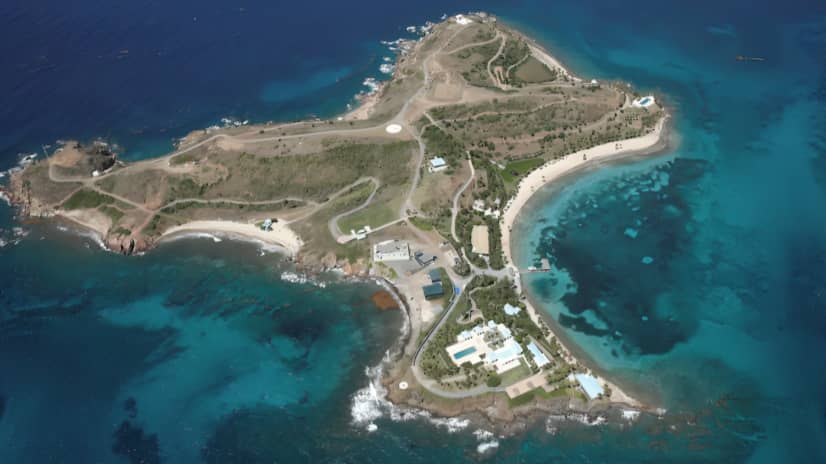
Jeffrey Epstein’s private island, Little Saint James, located in the U.S. Virgin Islands, became infamous as the site of alleged criminal activities involving the trafficking and exploitation of minors. The island, purchased by Epstein in the late 1990s, was used as a private retreat and has been at the center of numerous investigations following Epstein’s arrest and subsequent death in 2019.
Little Saint James, often referred to as “Epstein Island,” spans over 70 acres and features luxury villas, recreational facilities, and private docks. The isolation and exclusivity of the location reportedly facilitated Epstein’s criminal activities and enabled him to host visitors in relative privacy. Following Epstein’s arrest, law enforcement authorities and journalists have investigated the island to document evidence and understand the scope of illegal operations carried out there.
Media reports and court documents suggest that a number of high-profile individuals allegedly visited Epstein Island over the years. Names mentioned in various reports include politicians, business leaders, celebrities, and academics. While some visitors have publicly denied any involvement in illegal activities, the allegations surrounding the island have prompted intense public and legal scrutiny. These reports have also fueled discussions about accountability, the extent of Epstein’s network, and the protection of vulnerable victims.
The investigations into Epstein Island have revealed disturbing patterns of exploitation. Victims have testified that they were coerced or manipulated into participating in acts orchestrated by Epstein and his associates. The island’s role in these crimes underscores the challenges faced by law enforcement in addressing clandestine networks that exploit legal loopholes and geographical isolation to commit criminal acts.
Authorities, journalists, and advocacy groups continue to examine financial records, travel logs, and testimonies related to the island to identify individuals who may have knowingly participated in or facilitated illegal activities. Legal proceedings and civil suits against Epstein’s estate have also revealed additional insights into the operations conducted on the island, including the logistics and methods used to target victims.
Little Saint James remains a symbol of Epstein’s broader criminal enterprise, highlighting issues of power, privilege, and the systemic failures that allowed such activities to continue unchecked for years. Public interest in the island reflects concerns about accountability, justice for victims, and transparency regarding the involvement of influential figures.
In conclusion, Epstein Island, or Little Saint James, is situated in the U.S. Virgin Islands and became notorious due to allegations of sex trafficking and abuse orchestrated by Jeffrey Epstein. Investigations continue to examine the visitors and activities on the island, shedding light on the extent of Epstein’s network and the mechanisms he employed to commit crimes. The ongoing scrutiny underscores the importance of legal and social accountability, as well as the broader implications for high-profile individuals allegedly linked to the island.


