Finland and Sweden have carried out their first joint operational air identification mission after their fighter aircraft were scrambled to monitor a Russian military formation over the Gulf of Finland.
The operation took place on September 24, 2026, when Finnish and Swedish Quick Reaction Alert fighter aircraft were deployed to intercept and identify Russian aircraft operating in international airspace. According to the Swedish Armed Forces, the mission was the first joint operational identification mission conducted by the two air forces.
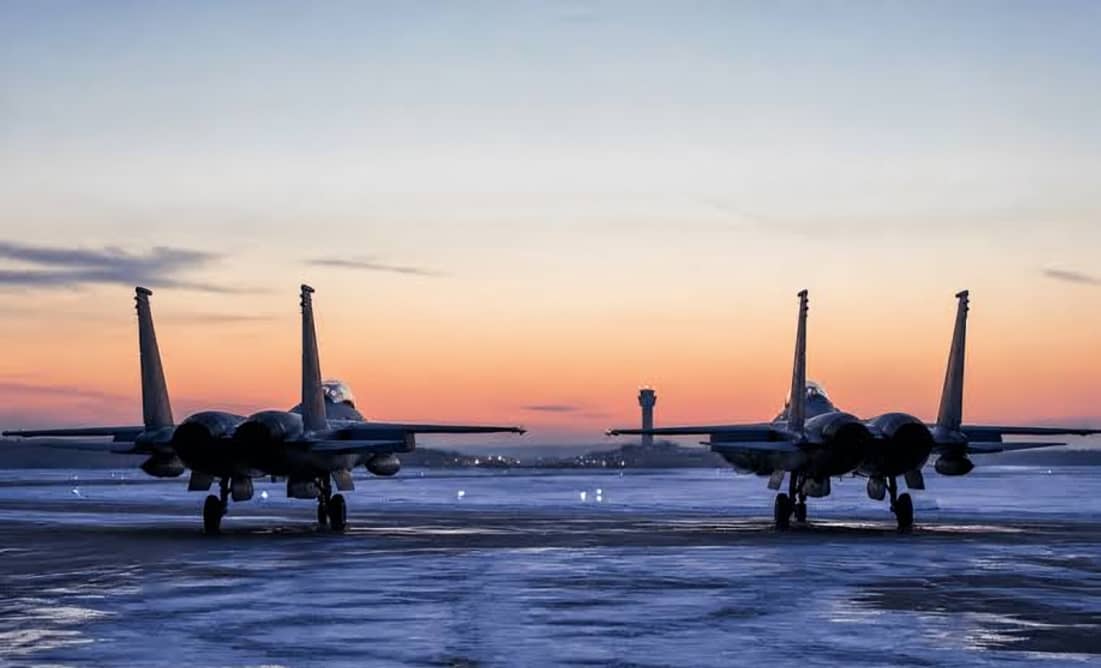
Finnish F A 18 Hornet fighters and Swedish JAS 39 Gripen fighters participated in the operation. The mission was directed by the Finnish Air Force Air Operations Centre, which coordinated the response and directed the aircraft involved in identifying the Russian formation.
The Russian group consisted of a Tu 134 transport aircraft, MiG 31 fighter aircraft and Su 30 fighter aircraft. The aircraft were operating in international airspace over the Gulf of Finland. The Finnish and Swedish fighters approached the formation to establish its identity and monitor its movements.
The operation is significant because Finnish and Swedish fighter aircraft had previously conducted extensive joint training, but this was the first time their air forces carried out an operational identification mission together. The two countries have developed close military cooperation over several years, including regular cross border training exercises.
Quick Reaction Alert is a system used by air forces to maintain fighter aircraft and crews at a high state of readiness. When unidentified or potentially concerning aircraft are detected, fighters can be ordered into the air to identify them and monitor their activity. Such missions are a routine part of airspace surveillance and do not automatically indicate that an armed confrontation has taken place.
In this case, the Russian aircraft were flying in international airspace, according to the Finnish and Swedish authorities. The mission therefore involved identification and monitoring rather than a reported violation of Finnish or Swedish airspace.
The joint operation is also connected to a new phase of defence cooperation between Finland and Sweden. The Finnish Defence Forces announced in August that Sweden would contribute JAS 39 Gripen fighters and other military capabilities to strengthen surveillance and the protection of Finland's territorial integrity in the Baltic Sea region.
Under the expanded cooperation, Finnish and Swedish Quick Reaction Alert aircraft normally remain at their respective national bases, but they can operate from each other's air bases when required. This arrangement gives the two air forces greater flexibility in responding to developments across the region.
Finnish and Swedish air forces have already built considerable experience working together. Their Cross Border Training missions have been conducted almost weekly for several years. These exercises have helped pilots and support personnel become familiar with each other's procedures, aircraft and operational methods.
The cooperation has become closer since both countries joined NATO. Finland became a NATO member in April 2023, while Sweden joined the alliance in March 2024. Their membership has further integrated their air forces into wider regional defence arrangements.
The two countries also cooperate with Norway and Denmark through Nordic defence initiatives. Their air forces coordinate activities in the Baltic Sea region with NATO Baltic Air Policing units. This broader cooperation is designed to improve surveillance, readiness and the ability of participating countries to respond to incidents.
The Gulf of Finland is strategically important because it connects the eastern Baltic region with the wider Baltic Sea. Finland is located along the northern shore of the gulf, while Estonia lies to the south and Russia controls its eastern end. Military and civilian aircraft operating in the region are therefore monitored closely by neighbouring countries.
Russian military aircraft frequently operate over international waters and airspace in the Baltic region. Such activity can result in NATO and regional fighter aircraft being scrambled for identification missions. The objective of these missions is generally to establish the identity of aircraft, observe their flight behaviour and ensure that national airspace remains protected.
The latest Finnish Swedish mission demonstrates how the two countries are moving from long standing training cooperation toward more integrated operational activity. Finnish authorities said the deeper cooperation allows joint identification missions and enables Quick Reaction Alert fighters to operate from bases belonging to the other country when necessary.
Swedish Air Force Commander Major General Jonas Wikman described the mission as an example of the close cooperation developed between the two countries. Finnish Colonel Vesa Mäntylä also highlighted the role of the expanded arrangement in allowing the two air forces to conduct joint identification missions.
The mission itself did not involve reported weapons use or an airspace violation. The Russian aircraft were identified in international airspace over the Gulf of Finland. The significance of the event lies primarily in the operational coordination between Finland and Sweden and their ability to respond jointly to aircraft operating in the region.
The September 24 operation also illustrates the changing security environment in northern Europe. Finland and Sweden maintained military non alignment for decades before joining NATO, but their defence cooperation with neighbouring countries had already increased substantially before their accession.
Today, the two countries are working to integrate their air surveillance and rapid response capabilities more closely. Their latest joint mission shows how existing training relationships can be used in an operational setting when aircraft need to be identified and monitored.
For Finland and Sweden, the ability to conduct such missions jointly provides additional flexibility in monitoring the airspace around the Baltic Sea. It also allows the two countries to coordinate their resources while continuing to maintain responsibility for their own national airspace.
The first joint operational identification mission therefore represents a new stage in Finnish Swedish military cooperation. While the Russian aircraft remained in international airspace during the reported encounter, the operation demonstrated that Finnish and Swedish fighter aircraft can now be tasked together as part of a coordinated response.