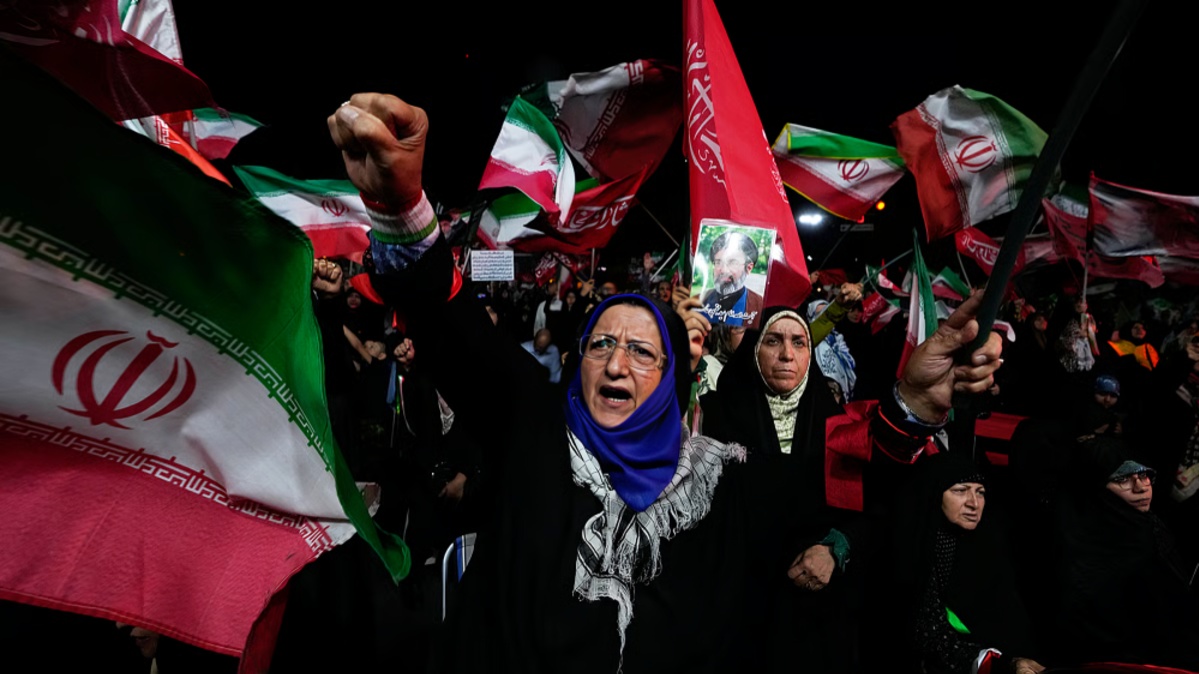
Iranian Foreign Minister Abbas Araghchi has warned that Tehran is prepared for renewed military conflict with the United States, while also saying that Iran remains willing to pursue diplomacy.
Araghchi made the remarks during an interview with NBC News as tensions between Washington and Tehran remained high following the rejection of an Iranian proposal aimed at creating a possible path toward ending the conflict.
Asked about the possibility of renewed US military action, Araghchi said Iran was fully prepared for the war to resume. He said Tehran would stand firm against what he described as any new aggression, even if the conflict escalated into what he called a “doomsday war”. At the same time, he said Iran was ready for diplomacy and that the decision over whether to pursue negotiations was ultimately with US President Donald Trump.
The remarks reflect the two-track position Tehran has presented in recent days. Iran has continued to warn that it is prepared to respond militarily if attacks resume, while Iranian officials have also maintained that diplomatic channels should remain open.
Araghchi’s comments came after Trump publicly rejected Iran’s latest seven day proposal. The Iranian plan was linked to the reopening of the Strait of Hormuz, a strategically important waterway through which a significant amount of global energy trade normally passes.
According to Araghchi, Iran had proposed reopening the Strait of Hormuz after certain steps were taken by the United States. These included ending the military conflict, removing the naval blockade, releasing frozen Iranian assets and allowing Iran to resume oil sales. He said Tehran was still waiting for the formal US response to be conveyed through mediators.
The proposal also envisaged a sequence in which the Strait of Hormuz would be reopened on the sixth day and negotiations on a final agreement would begin on the seventh day. Iran presented the arrangement as a possible framework for moving from the immediate military confrontation toward broader negotiations.
Trump, however, rejected the proposal and said it was not an agreement that Washington was prepared to accept. US officials have argued that Iran’s conditions did not provide the assurances Washington was seeking, particularly on issues connected with Iran’s nuclear programme and the wider conflict.
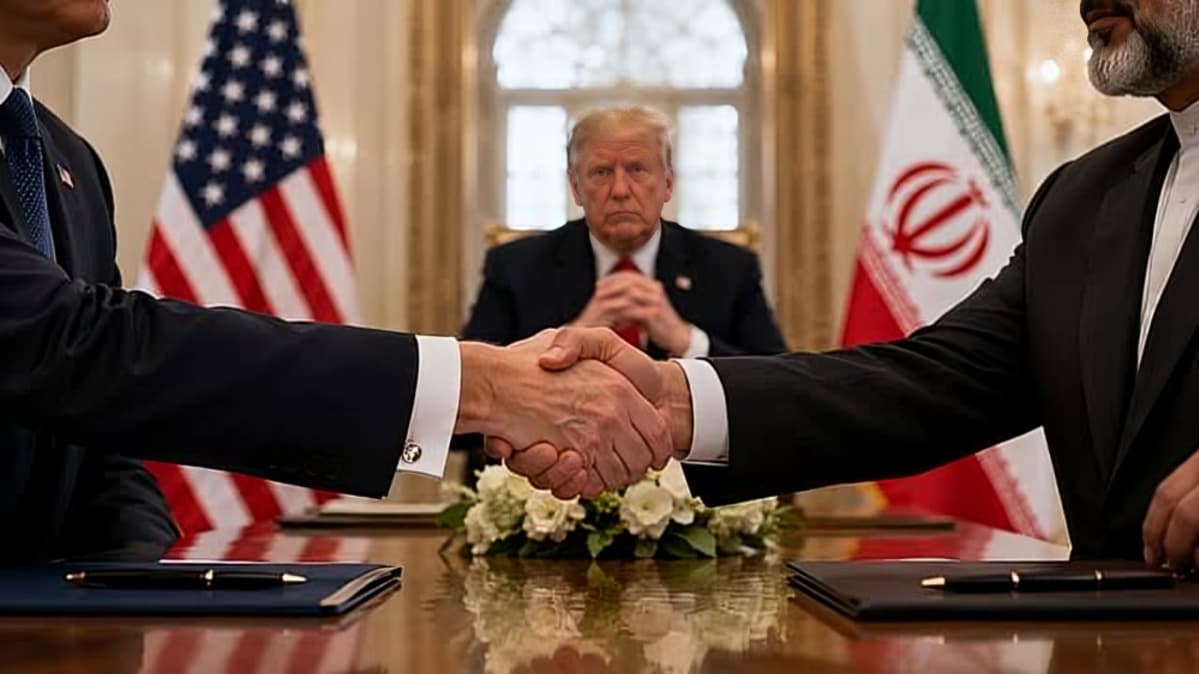
Despite the public disagreement, diplomatic contacts have not completely stopped. The Washington Post reported that US and Iranian officials still saw a possibility for a negotiated solution, with indirect talks expected to continue through intermediaries. Trump also indicated that further discussions with Iran could take place.
The nuclear issue remains one of the major differences between the two countries. The United States has repeatedly said that preventing Iran from obtaining a nuclear weapon is a central objective. Trump also referred to the issue while discussing the possibility of further military action.
Araghchi has maintained that Iran’s nuclear activities are peaceful and has indicated that Tehran is prepared to discuss the issue through negotiations. He said Iran had offered to discuss its stockpile of material enriched to 60 percent, while arguing that nuclear questions should be addressed through diplomacy rather than military action.
The Strait of Hormuz has become another major point of disagreement. Iran has linked the reopening of the waterway to steps by Washington, including changes to the blockade and economic restrictions. The United States, meanwhile, has rejected the proposed sequence and has continued to seek broader commitments from Tehran.
The waterway is particularly important because of its role in international energy transportation. Any prolonged disruption can affect oil shipments, shipping costs and energy markets beyond the immediate region. This has made the status of the strait a central part of the diplomatic and economic consequences of the conflict.
Araghchi also said Iran had changed its military tactics following previous rounds of fighting. He presented this as part of Tehran’s preparation for the possibility that hostilities could resume. His remarks were made against a backdrop of continuing military tensions and statements from both governments about their readiness to continue the confrontation if negotiations fail.
Trump has separately said that further strikes against Iran before the US midterm elections remain possible. He also said he expected the conflict to end soon and reiterated that preventing Iran from acquiring a nuclear weapon was a key US objective.
The contrasting statements have increased uncertainty over the immediate future of the conflict. While Iran says it is prepared for renewed fighting, its foreign minister has simultaneously emphasized that Tehran does not want to close the diplomatic route.
Araghchi said Iran was continuing to pursue diplomacy because it did not want to miss an opportunity for peace. He argued that negotiations could still provide a way to address the differences between the two sides, even after the rejection of Tehran’s latest proposal.
The diplomatic process has involved several intermediaries, including Qatar, which has helped communicate proposals between Washington and Tehran. Iran’s delegation also conducted diplomatic meetings during the United Nations General Assembly in New York.
The current situation therefore involves both military and diplomatic calculations. Iran is publicly warning that it is prepared for further conflict, while simultaneously proposing negotiations. The United States has rejected Iran’s latest framework but has indicated that indirect discussions may continue.
For now, there is no confirmed new ceasefire agreement between the two countries. Iran’s seven day proposal has been rejected by Trump, but diplomatic contacts remain possible. The positions of the two sides continue to differ over the Strait of Hormuz, sanctions, frozen Iranian assets, oil exports and Iran’s nuclear programme.
Araghchi’s latest comments underline Tehran’s stated position that it is prepared for either outcome. Iran says it can respond to renewed military action but is also willing to negotiate if Washington is prepared to engage through diplomacy.
The coming discussions will determine whether the two sides can find common ground on the conditions for ending the conflict. Until then, both military readiness and diplomatic efforts are continuing, leaving the possibility of further negotiations alongside the risk of renewed hostilities.