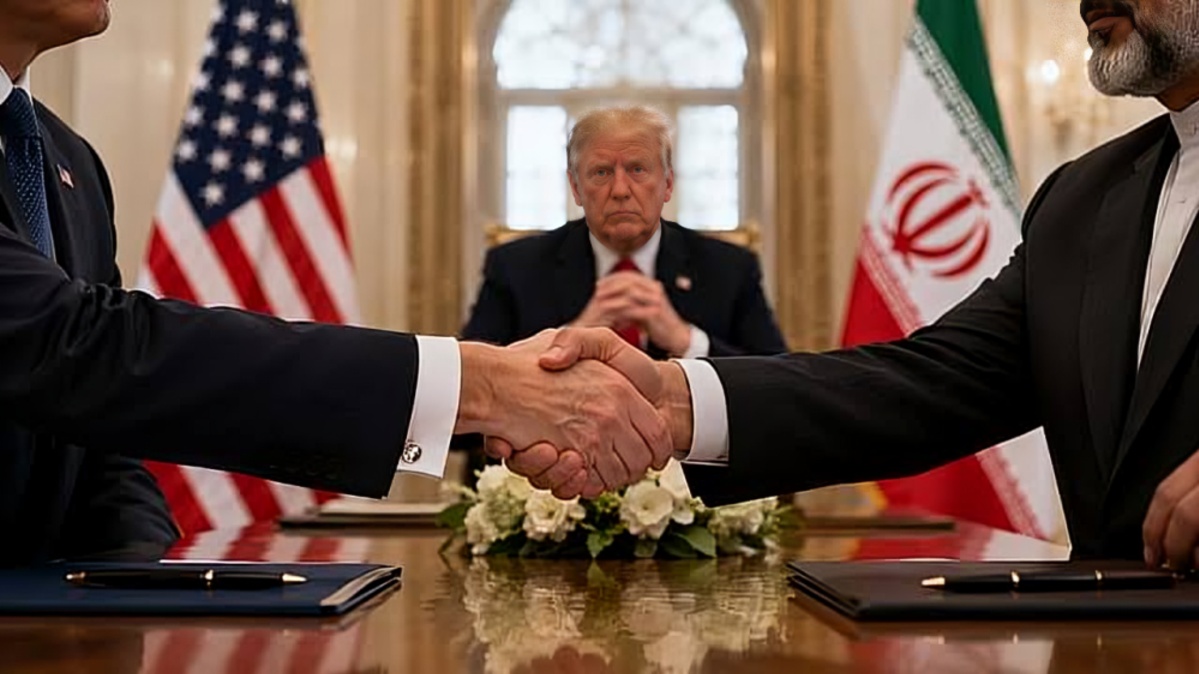
Iran is facing renewed diplomatic pressure over its nuclear programme as mediators attempt to restart ceasefire negotiations with the United States following President Donald Trump’s rejection of Tehran’s latest seven day truce proposal.
The latest diplomatic effort comes as both sides remain divided over the conditions for ending the conflict. According to a report by The Wall Street Journal cited by Anadolu Agency, mediators are urging Iran to make concessions on its nuclear programme in an attempt to bring the United States back into negotiations. The effort is being described by people involved in the discussions as a difficult attempt to prevent the conflict from escalating further.
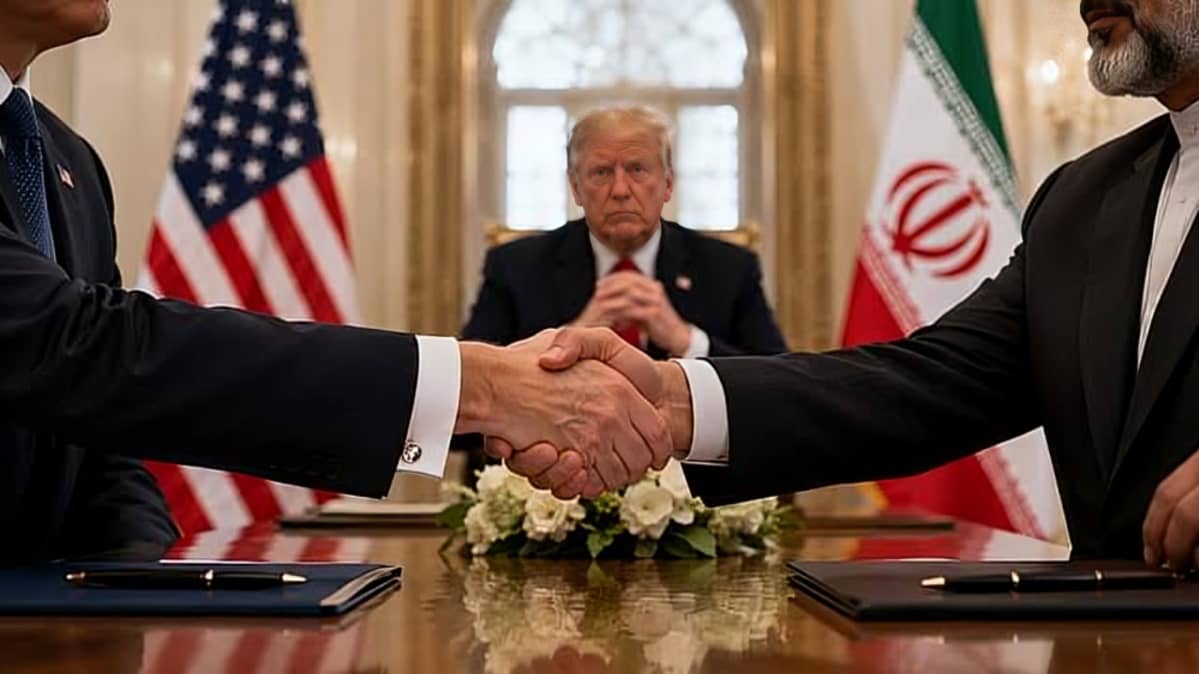
Iran’s latest proposal was presented during indirect discussions involving Iranian Foreign Minister Abbas Araghchi and US representatives on the sidelines of the United Nations General Assembly in New York. Qatar and other regional mediators have been involved in passing messages between Washington and Tehran.
Under Iran’s proposal, the Strait of Hormuz would be reopened and negotiations on the nuclear issue would resume within seven days if certain Iranian conditions were met. These conditions included lifting the US naval blockade of Iranian ports, easing or removing sanctions affecting Iranian oil sales and addressing the wider regional conflict. Iran has also sought the release of frozen Iranian assets.
Trump rejected the proposal on September 26. US officials subsequently explained that Washington objected to what it described as Iranian demands for major concessions before substantive negotiations began.
US Ambassador to the United Nations Mike Waltz said Iranian negotiators were seeking sanctions relief and access to frozen funds before committing to negotiations over the nuclear programme. According to the US position, Washington wants assurances that negotiations will address the nuclear issue in a meaningful way.
The disagreement has created a major gap between the two sides. Iran has focused its proposal on the Strait of Hormuz, the US naval blockade and economic restrictions. Washington, meanwhile, has placed greater emphasis on Iran’s nuclear programme and the conditions required for a broader agreement.
The Strait of Hormuz remains a central issue in the diplomatic discussions. The waterway is a major international energy route, and its disruption has affected oil transportation and regional trade. Iran has linked the reopening of the strait to specific actions by the United States, while Washington has challenged Tehran’s attempt to make those actions a condition for negotiations.
Iranian Foreign Minister Abbas Araghchi has continued to say that Tehran is open to diplomacy. He said Iran was waiting for the formal US position to be conveyed through mediators and maintained that any progress on reopening the Strait of Hormuz or advancing negotiations would depend on Tehran’s conditions being addressed.
At the same time, reports indicate that mediators are trying to find a compromise that could address the nuclear issue without immediately resolving every point of disagreement between Washington and Tehran.
The nuclear programme is one of the most difficult subjects in the negotiations. The United States has repeatedly said that preventing Iran from developing nuclear weapons is a central objective of its policy. Iran has maintained that its nuclear activities are linked to its national rights and has rejected negotiations conducted under what it considers excessive pressure.
According to The Wall Street Journal report cited by Anadolu Agency, mediators are now attempting to persuade Tehran to make a concession on the nuclear issue that could help reopen a wider diplomatic process. The proposal is part of an effort to establish enough common ground for the two sides to return to substantive talks.
The situation is complicated by the fact that Iran and the United States appear to have different priorities for the next stage of negotiations. Tehran wants immediate attention to the blockade, sanctions and the Strait of Hormuz. US officials want the nuclear issue to be addressed as a central part of any agreement.
Trump has nevertheless indicated that further talks could take place. Reports on September 27 said he expected US negotiators to hold additional discussions with Iranian representatives during the week, despite his rejection of Tehran’s proposal. Qatari mediators have continued efforts to narrow the differences between the two sides.
The continuation of indirect talks means that Trump’s rejection of the seven day proposal has not necessarily ended diplomatic contacts. Instead, mediators are attempting to modify the terms and identify possible areas of compromise.
The nuclear question is likely to remain a key part of any future negotiations. For Washington, commitments regarding Iran’s nuclear programme are central to determining whether a broader agreement can be reached. For Tehran, economic relief and an end to military pressure are important conditions for moving forward.
Iran has also rejected the suggestion that it should make unilateral concessions before receiving commitments from the United States. Recent reports indicate that Iranian officials continue to seek concrete actions from Washington before agreeing to changes in their position.
The disagreement therefore involves more than the proposed seven day truce. It covers the future of Iran’s nuclear activities, international sanctions, Iranian oil exports, frozen assets, the US naval blockade and the status of the Strait of Hormuz.
The proposed truce had attempted to link these issues within a single sequence. Iran offered a path toward reopening the waterway and restarting nuclear negotiations if its conditions were addressed. The United States rejected that framework and is seeking a different sequence in which Iran would provide stronger commitments on the nuclear issue.
The two sides have not announced a final agreement on these issues. Mediators remain involved, and further indirect discussions are expected. The diplomatic process could therefore continue even though the original Iranian proposal has been rejected.
For now, the main challenge is finding a framework that both Washington and Tehran are prepared to accept. Iran is seeking relief from military and economic pressure, while the United States is demanding commitments concerning the nuclear programme. Whether mediators can bridge those differences will determine whether the current diplomatic efforts develop into a broader ceasefire process.
The latest developments show that diplomacy remains active despite the rejection of Tehran’s seven day proposal. However, the nuclear issue has emerged as one of the central conditions being discussed, making any future agreement dependent on how both sides address their competing demands.