
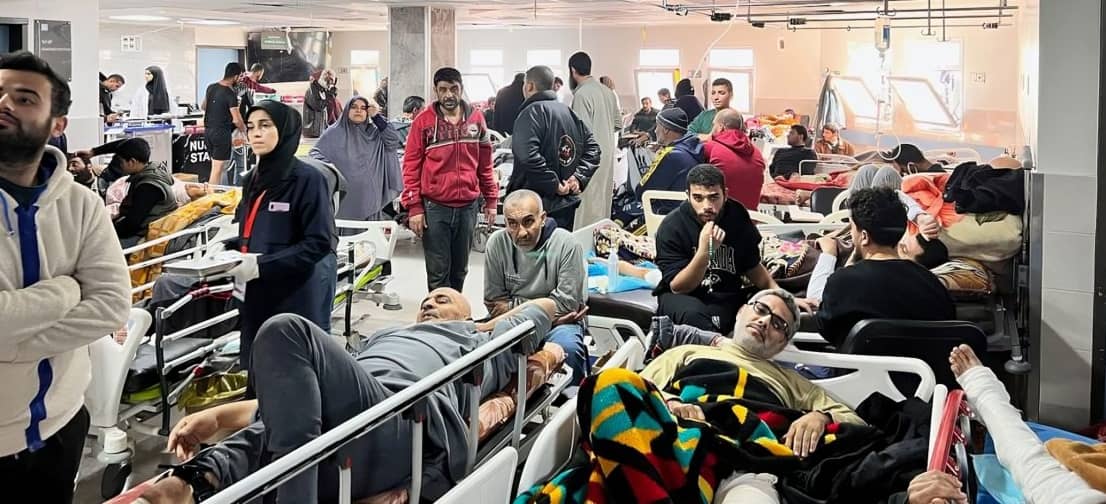
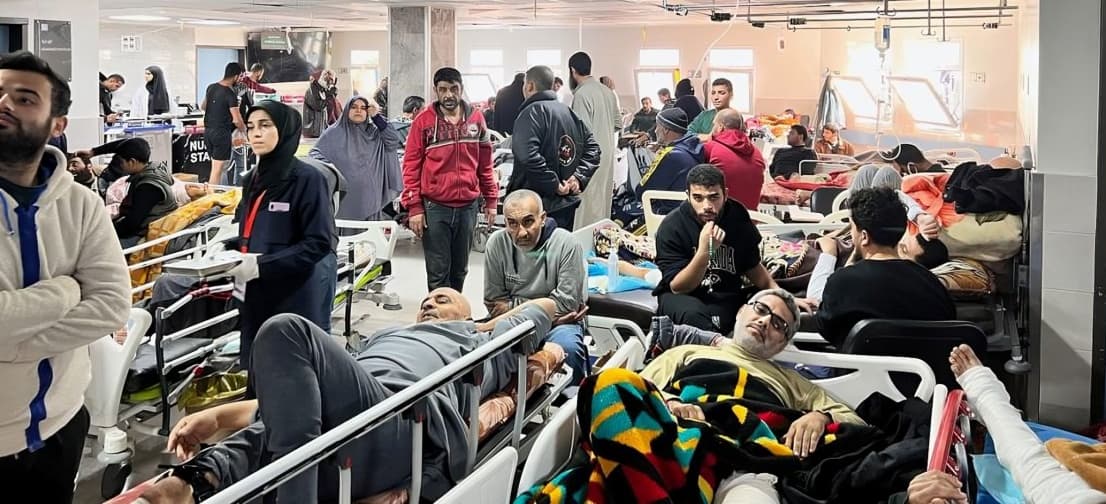
Healthcare facilities in Gaza are struggling to operate amid a severe shortage of essential medical supplies, as Israel continues to restrict the entry of critical items into the region. Hospitals report that the blockade has created a humanitarian crisis, leaving doctors and nurses with limited resources to provide basic and emergency care.
Medical professionals in Gaza have been forced to improvise in treating patients due to the scarcity of medications, surgical instruments, and diagnostic equipment. Routine procedures, surgeries, and treatments for chronic illnesses are being delayed or modified because of the lack of supplies. Hospitals are prioritizing emergency cases, but even basic care for non-critical patients has become challenging.
The shortages have particularly affected patients requiring chemotherapy, dialysis, and other life-saving treatments. Doctors have reported using alternative methods and reusing some medical materials to ensure that patients receive care, although these measures carry significant risks. Healthcare workers are calling for urgent assistance and warning of a growing health crisis if supplies do not reach hospitals soon.
International humanitarian organizations, including the World Health Organization and the United Nations Relief and Works Agency, have expressed serious concern over the blockade’s impact on healthcare in Gaza. They have urged Israel to allow immediate and unhindered access for medical aid, emphasizing that the health of thousands of civilians is at risk. The organizations highlight that shortages of essential drugs and equipment are not only affecting emergency response but also endangering routine care and the treatment of vulnerable populations, including children and the elderly.
Gaza’s hospitals are already under tremendous pressure due to previous conflicts, high population density, and limited infrastructure. The blockade has exacerbated existing challenges, making it difficult to maintain adequate medical services. Doctors, nurses, and other healthcare personnel are working around the clock under stressful conditions, demonstrating extraordinary commitment to saving lives despite severe limitations.
Efforts by local NGOs and international agencies to supply aid face logistical and political obstacles, delaying the delivery of essential medicines and equipment. Patients and their families are struggling with uncertainty as they wait for treatment, and hospitals are reporting critical shortages of oxygen, surgical kits, and sterile supplies.
Medical professionals warn that without immediate intervention, the shortage of medical supplies could lead to preventable deaths and a collapse of basic healthcare services. The situation underscores the need for coordinated international action to ensure that humanitarian aid, particularly medical supplies, reaches those in need in Gaza.
Despite the challenges, doctors in Gaza continue to serve patients with resilience and dedication. Their efforts reflect the critical role of healthcare workers in conflict zones and highlight the urgent need for sustained humanitarian support. Access to essential medical supplies is vital to prevent further deterioration of health outcomes for civilians in Gaza.


